What makes a good season for a family lake holiday in Australia is really a matter of what your family is after. Put summer down for your swimming and boating, autumn if you want lighter crowds and more comfortable days, winter for some alpine scenery and quiet fishing, or spring to put in some walking and mild outdoor pursuits with the wildlife.
I have been Charlotte Redfern for years now, and in all that time helping people put together an Australian getaway I have come to see that the calendar is not as important as the lake itself, the local climate and how much heat, a mozzie or a crowd your family can stand. The same lake that is ideal for a swim in Victoria will be cold and windy in the winter; head to Queensland and you will find better conditions while they are putting on a jumper further south. For more ideas, see lakeside family activities Australia.
Choosing Your Season
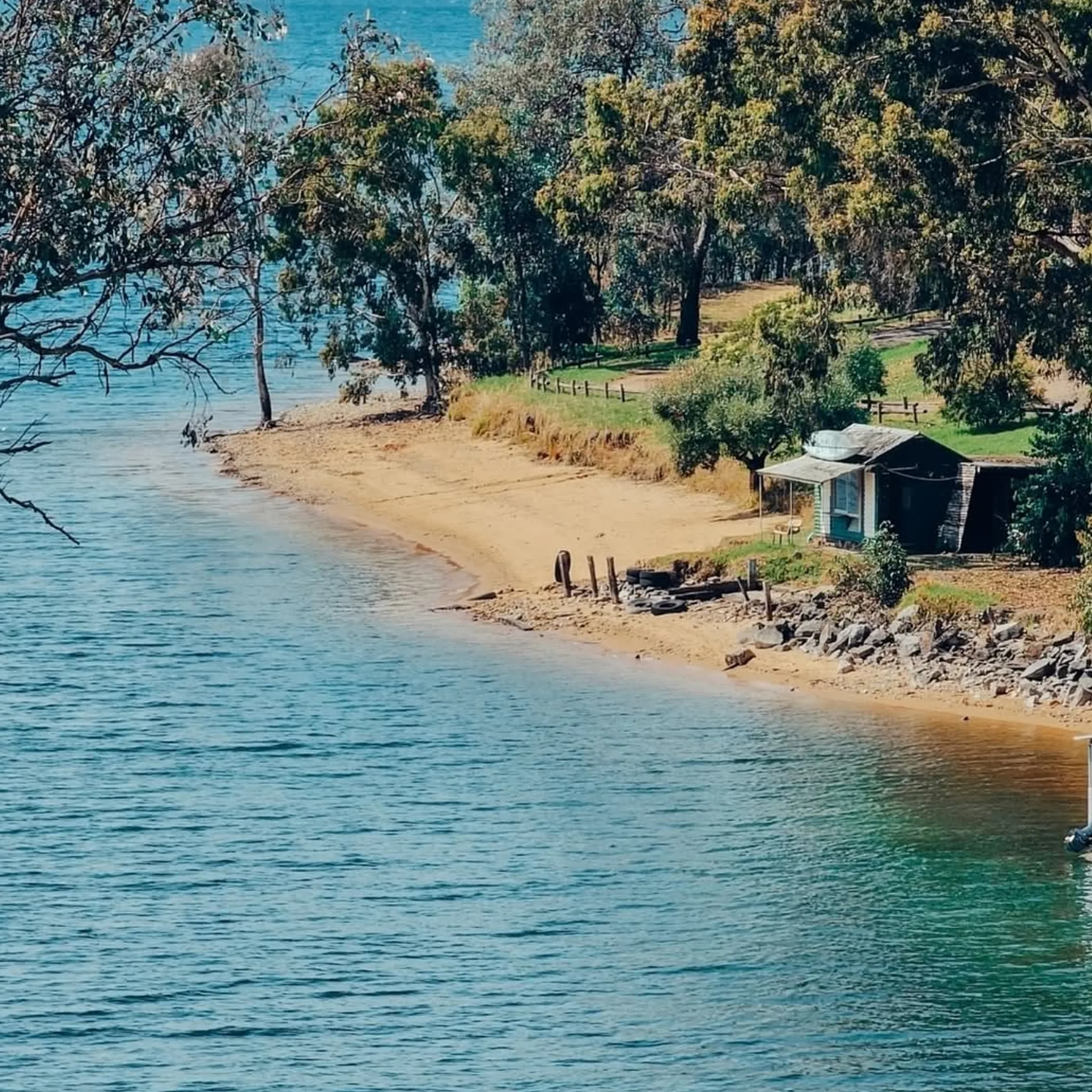
While Australia has its three-month meteorological seasons, one finds very different conditions in the Top End, Tasmania, the alpine country or Queensland. To get a sense of the best time for a family holiday, use the table below as a practical reference.
Think of these as broad guides for your planning, not something set in stone like a carving on a gum tree. One does not have to look far for rain, wind, road closures or school holidays to alter the day.
| Season | Months | What it is best for | Things to consider |
|---|---|---|---|
| Summer | Dec – Feb | Water sports, kayaking, boating and swimming | The heat, the cost of accommodation, bushfire danger and numbers |
| Autumn | Mar – May | A relaxed day with the family, fishing, camping and walking | Temperatures in the water and evenings will be cooler |
| Winter | Jun – Aug | Alpine lake pursuits and a quiet fishing trip | Shorter days, cold in the morning and the odd icy road or snow |
| Spring | Sep – Nov | Paddling, wildflowers, wildlife and the like | Spring rain and winds can make for unsettled weather |
As a rule of thumb, autumn and spring are the most straightforward for a family outing, with their moderate temperatures and daylight and none of the peak period hordes. Then there is summer which is hard to beat if you are going to be in the water, though it puts more of a strain on boat ramps and where you are staying.
Summer Water Fun
An Australian style lake holiday in summer is for those intent on being in or by the water for the better part of the day. From December through February the conditions for a picnic, a paddleboard or some boating are at their warmest, in the inland and southern parts in particular.
You will be in good company with that notion though. It does not take long for a weekend barbecue to clear a plate of sausages or for school holidays to put paid to space at a caravan park, café or boat ramp.
To Swim And Paddle
There is more to a spot of lake swimming and boating across Australia than a quick beach dip. See if there are any designated areas for it and if it is allowed, do not let the children out of your sight and be wary of an unknown shoreline that could be deep or muddy.
Families wanting to mix some camping and bushwalking with their time on the water would do well at Lake Eildon National Park in Victoria. It is a sound option for an extended visit since one can make use of town supplies and short walks as well. Do your booking in advance for the school holidays and get the details on boat launching before you are towing a trailer over roads you do not know.
Lake McKenzie on K’gari is of an entirely different order. This is a perched freshwater lake, no place for motorised craft and getting there means sandy tracks on the island. You will need a vehicle up to the task and plenty of provisions. And for all its beauty as a swimming hole, it is as well to be sensible about the sun and crocs and whatever else may present itself.
Dealing With Crowds And Heat
With small children about, the summer heat can make a walk into a whinge-fest. Have more water on hand than you imagine, save the midday hours for a swim or to get out of the sun and be up and about early.
In dry, hot times a bushfire closure can put a stop to access to a park or campground. Do not count on a track being open just because it was last time. Check the Bureau of Meteorology for the regional patterns and any alerts from the government before you commit to dates and eschew lighting a fire if there are restrictions.
An Easy Autumn
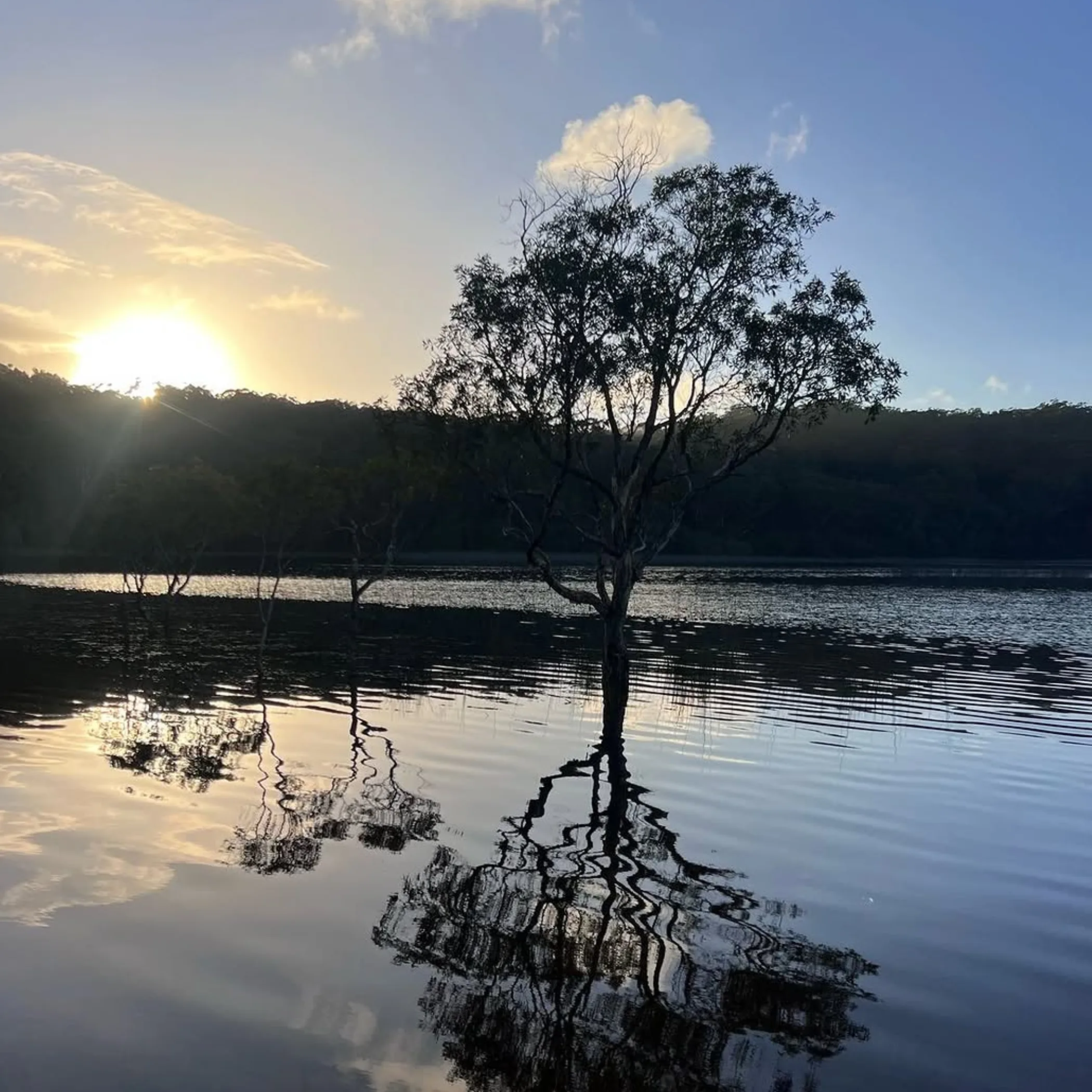
Travellers to Australia’s lakes tend to have the fondest recollections of an autumn holiday for the comfort of it. March to May is an all-round good time for a bit of photography, cycling, casual paddling and the rest. There are still to be found some pleasant water temperatures of an early autumn in places like Queensland and the north of New South Wales. But head to Victoria or Tasmania, or any alpine part of the country, and you will find evenings put on a proper cold; in that case, put some warm layers in your pack and do not be guided by the notion that a hoodie is all one needs.
Fewer Peak Crowds
Once the summer has run its course, you will have no trouble putting together accommodation and the family attractions are not as full. Do not make the mistake of thinking an autumn weekend is invariably inexpensive though, as peak rates can apply for Easter and the school holidays; it is better to compare dates.
Families in want of a no-fuss break with some boating, fishing and good food to hand will do well at Nagambie Lakes in Victoria. It caters to those who would rather have time on the lake than go off on some remote bush itinerary. The error is to turn up without a look at the launch areas and local conditions only to find your boating plans need more forethought than you thought.
Cool Evenings Call For Packing
The day may be forgiving but when the sun goes down so does the temperature. If you are camping, take sleeping bags to match the forecast, closed in shoes, something waterproof and sufficient cooking fuel.
One day out is best spent with a water and a land activity each. A paddle in the morning, lunch and a walk is far more sensible than trying to fit in a long hike, some fishing and a sunset picnic on top of a swim before the whole party gets hungry and irritable.
Winter for a Quiet Escape
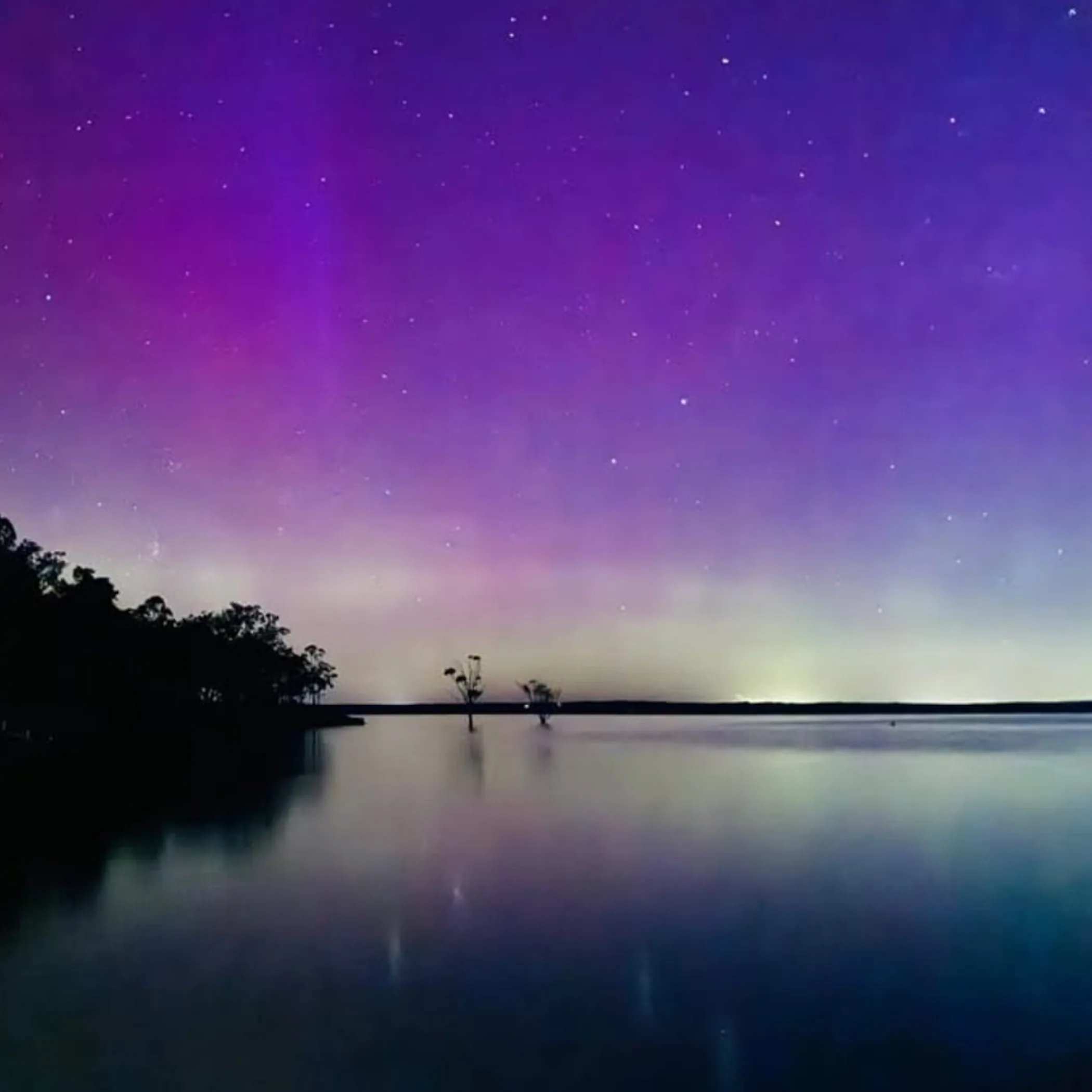
Australia’s winter lake holidays are less about swimming in warm water and more for the peace of it, the fishing, a fire where you can have one, scenic drives and a good outdoor walk. From June through August families who do not mind their layers will find quiet accommodation. Older children are inclined to like the winter for photography, bushwalking or fishing. Not so much for the tropical water pursuits some might expect, and certainly not at an alpine lake where the wind and icy mornings can make the water quite hostile.
Alpine Lakes and Fishing
For the alpine scenery, camping and fishing, Lake Eucumbene in New South Wales is a solid winter choice for a family. Be prepared for the cold and the fact facilities are not always close at hand; sort out your meals and fuel beforehand. Or consider a city break at Lake Burley Griffin in the ACT. There is cycling and walking by the lake and then the museums and cafés on your doorstep. You will be glad of that if the weather turns to rain and not the sunny postcard you had in mind.
Whatever state or waterway you are in, the rules and licences for fishing will differ. Make sure of what is required before you cast. And instruct the children to give unattended rods and hooks and any slippery banks a wide berth.
Staying In
In elevated or alpine country the weather has a way of turning in winter. An early start or a return after dark could see you hampered by poor visibility, snow or frost on the roads.
A beginner should not contemplate a remote camp in winter without the right equipment. Opt for a cabin or powered accommodation if the family is not used to the cold. Nothing restores morale like a hot shower and dry socks.
An Active Spring
Between September and November, before the summer crowds make an appearance, there is fine walking, birdwatching, kayaking and the like to be had. The mildness and longer days are appealing to Australian families in spring. Then again in the south the weather is fickle; pack to deal with sun, wind and rain in the space of a day, as spring is wont to throw all three at you before lunch.
Adventures in Nature
Smiths Lake on the Mid North Coast of New South Wales is ideal for calm water and fishing, with coastal activities nearby. Should your plans take you over to connected waterways, check the tides and access points, for even a lake holiday in the coastal zone can have tidal elements.
Up in the Atherton Tablelands of Queensland, Lake Tinaroo has the rainforest country and is good for camping and boating. The climate is not what you get in Victoria or Tasmania, so have a word with locals and check the road and wet season warnings before you set off. The lake may be tempting but heavy rain will put paid to any track or water activity.
Unsettled Weather
Paddling can prove more of a task in the spring winds, for the inexperienced or younger members of the family. Keep to the shore and don the lifejacket, and if things look to be worsening, put off the activity.
Spring in Northern Australia may see the tail end of the dry season and the onset of the wet one at the same time. Cyclones are a concern in the north from November through April; those making their way to Queensland, the Northern Territory or northern Western Australia would do well to keep an eye on official warnings. And heed any pronouncements by local authorities: do not be in the water if there is a crocodile warning or the conditions are otherwise unsafe or contaminated.
Match Regions To Seasons
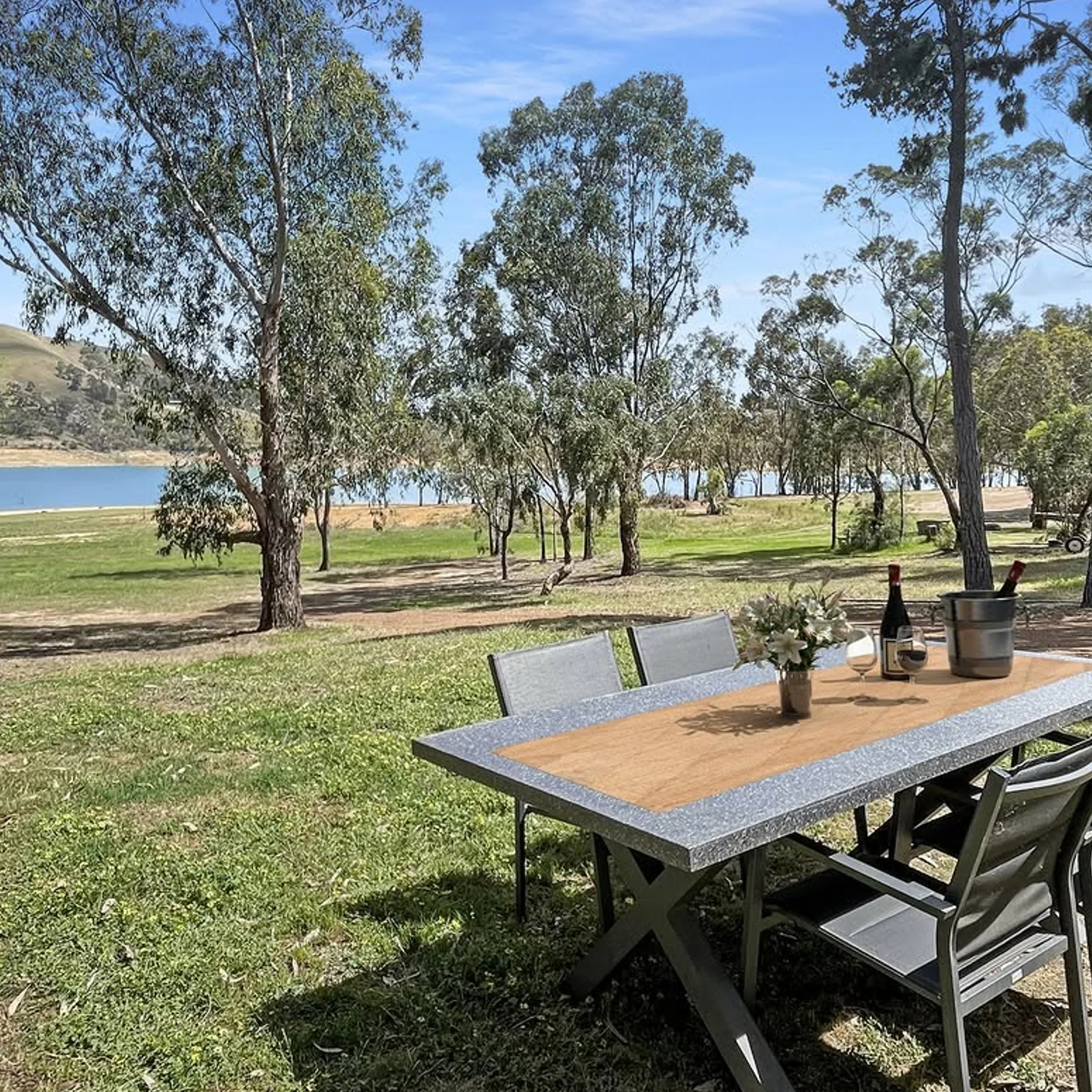
Latitude will have you finding very different things in the way of warmth, rainfall and water safety when it comes to an Australian lake holiday, whether in the south, the alps or up north. It is wise to pick your region before you decide on a season. That way you will not make the mistake of going for summer on the strength of its reputation only to find yourself at a destination in the grip of its wet season with storms, flooded tracks and humidity to spare.
Travel Northern Australia
For inland lakes in Queensland the cooler months leading into spring are often good enough, location permitting. Many families will find Lake Tinaroo more to their liking when it is not at its hottest and wettest, though one should expect some variation in the Atherton Tablelands.
Elsewhere in the Top End and across Northern Australia the dry season is preferable for the sake of clearer roads and travel that is easier to manage. The wet season has its dramatic storms but also means road closures, insects and limited access. On remote stretches like the Stuart Highway, have your permits in order and check park notices and Aboriginal land access rules before you go.
Explore Southern Australia
In New South Wales, Victoria, Tasmania and the ACT the autumn and spring months present the most comfortable options for lake activities. One can put in a day of swimming and boating in the summer, or in winter take advantage of the quieter side of things with a walk or some fishing and nearby indoor pursuits.
Then there is the matter of remoteness. You will not find the same degree of it at Lake Eildon, Nagambie Lakes, Lake Burley Griffin and Lake Eucumbene. The former and Lake Eucumbene demand a certain self-sufficiency; at Lake Burley Griffin shops and city accommodation are right on hand.
Choose Alpine Conditions Carefully
There is appeal to an alpine lake in any season, yet winter is where preparation is called for. Driving and walking are made harder by snow and frost and less daylight makes for a less comfortable campsite. An alpine lake is no place for a warm-weather picnic. See to your tyres, have the right clothing and set aside time for stops. A map will do, but it is better still to have a charged phone and someone who knows where you are headed.
Plan Around Your Family
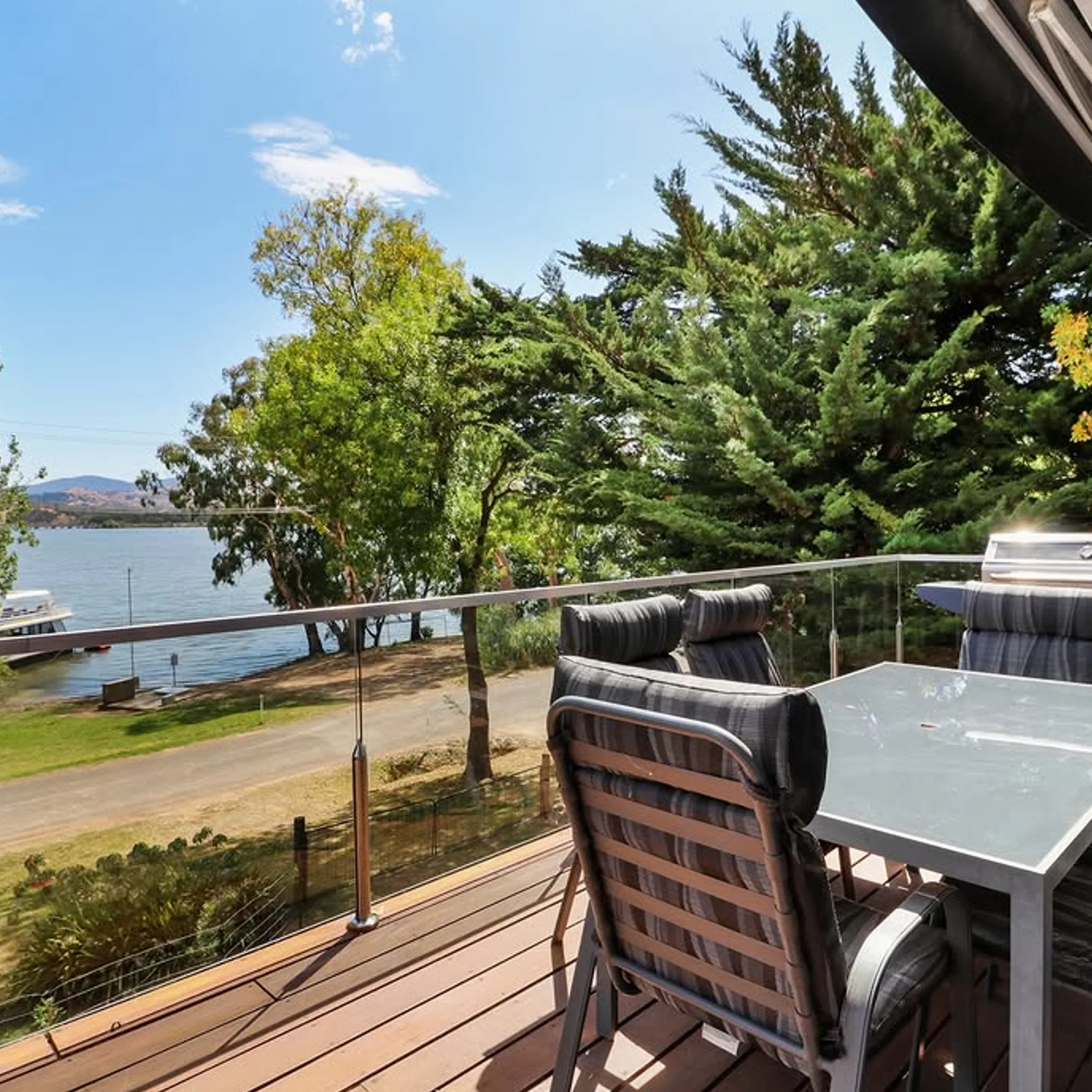
What makes for the ideal month on an Australian lake is a question of equipment, patience and how confident the swimmers are in the family. Toddlers will require shallow areas and parking at hand, teenagers will want to get out on a kayak or down a long bush track.
Consider what you want from the day. For a proper bed and hot shower a cabin or motel is in order. If the forecast is favourable and you have the gear, there is nothing wrong with camping beside a tent and being roused by kookaburras.
A Quick Decision Guide
Make it summer for the water sports and boating. Autumn for weather that is balanced and without the crowds. Winter to enjoy the alpine scenery and some fishing in peace. Spring is for the wildlife and a bit of flexibility in your outdoor plans.
If the plan is to visit a lake for a day, make sure it is within sensible driving distance and give precedence to the sort of activity the family will be talking about later. Factor in fuel, a toilet break, putting in the boat and the usual “are we there yet?”
Budget For The Real Costs
Depending on when and where you book, costs will differ. Put aside $30 to $80 for fuel on a day trip in the locality, $20 to $60 per head for an unpretentious meal and in the region of $40 to $100 for a night at a basic campsite. Expect to pay $150 to $350 for a cabin or family room in peak times, more so on premium dates. You will find additional expenses in the form of boat fuel, a licence for fishing, hiring equipment, to put your boat in the water or for camping and park entry. Do not take prices at face value as access and fees are subject to change; put in a call to the park, council or where you are staying to be sure.
Pack For Lake Conditions
A little forethought is what prevents minor issues from becoming major ones. The lake can seem placid from the car park but one has only to add wind, cold water, slippery banks and poor reception to make of an otherwise uneventful trip something of a logistical chore.
Before you head out there is a short checklist:
- See what the weather is doing and if there are any flood or fire danger notices, park closures or water safety warnings.
- Make sure you have warm layers, a rain jacket, first-aid kit, insect repellent, sun protection and drinking water with you.
- Verify mobile reception, parking, the rules for swimming, boat ramps, toilets and that your camping is booked in.
- In alpine or more remote country, put aside some food and fuel to cover any delays.
- If you are venturing past the amenities of town, let someone know where you are going and when to expect you back.
The mistake is to think a holiday by the lake calls for nothing more than a towel and some swimmers. In fact families do well with a torch, dry clothes, shade, snacks, sensible footwear and a contingency plan for inclement weather. The paddle is the glamorous bit, but the practicalities like your car keys should not be forgotten.
Answer Common Lake Questions
Families weighing up a destination and the season will ask these time and again. The answers are straightforward but in the end local conditions must prevail.
Where Should Families Go In Australia For A Lake Holiday?
For boating, bushwalking and camping, go to Lake Eildon. An easier regional break is had at Nagambie Lakes. There is Lake Burley Griffin for a city visit, Lake Tinaroo in Queensland for the outdoors, Smiths Lake for a coastal paddle and Lake Eucumbene to fish in alpine surroundings. It is a matter of how far removed from it all your family wants to be and what sort of accommodation and activities are on offer.
How Are The Seasons Different In Australia?
By the book summer is December through February, autumn March to May, winter June to August and spring September to November. Yet rainfall and temperatures can be quite different between the north and south of the country. In the north the terms wet and dry season are more apt than the usual four.
What Are The Best Months To Visit Australian Lakes?
One would do well in April, May, September or October for pleasant weather and to avoid the worst of the crowds. For boating and a warm swim the months of December to February are preferable, June to August for a quiet alpine excursion or some fishing. But check the climate of the lake in question before you put down a booking.
Is Summer Best For Swimming And Boating?
As a rule, yes, for the daylight and warmth. Then again there are the crowds, the heat and in the case of northern Australia the wet season or storms and bushfire closures. Autumn and spring offer a better balance for a family wanting to get on the water without the pressure of peak times.
What Is The Best Season For An Outdoor Family Holiday?
Autumn is the most sound advice for a balanced holiday, with spring not far behind. You can walk, camp, fish and sightsee in either without being subjected to the extremes of summer or winter. Unless you are set on a swim in which case summer is the answer, or a winter alpine escape for some quiet.
Make The Season Work
No one season stands out as the best for a family lake holiday in Australia. Summer is water and life, autumn is forgiving, winter has its own quiet specialism and spring is active if a bit changeable.
I have a simple way about it: pick the activity, then the region, the season comes after. Have a look at the weather, accommodation and who else will be there before you part with a deposit and allow for the odd surprise that is part of travelling in Australia. Some planning is required so a cold dinner or the mozzies do not have their way with you, but a lake holiday need not be overdone.
{ “@context”: “https://schema.org”, “@type”: “FAQPage”, “mainEntity”: [ { “@type”: “Question”, “name”: “Where Should Families Go In Australia For A Lake Holiday?”, “acceptedAnswer”: { “@type”: “Answer”, “text”: “For boating, bushwalking and camping, go to Lake Eildon. An easier regional break is had at Nagambie Lakes. There is Lake Burley Griffin for a city visit, Lake Tinaroo in Queensland for the outdoors, Smiths Lake for a coastal paddle and Lake Eucumbene to fish in alpine surroundings. It is a matter of how far removed from it all your family wants to be and what sort of accommodation and activities are on offer.” } }, { “@type”: “Question”, “name”: “How Are The Seasons Different In Australia?”, “acceptedAnswer”: { “@type”: “Answer”, “text”: “By the book summer is December through February, autumn March to May, winter June to August and spring September to November. Yet rainfall and temperatures can be quite different between the north and south of the country. In the north the terms wet and dry season are more apt than the usual four.” } }, { “@type”: “Question”, “name”: “What Are The Best Months To Visit Australian Lakes?”, “acceptedAnswer”: { “@type”: “Answer”, “text”: “One would do well in April, May, September or October for pleasant weather and to avoid the worst of the crowds. For boating and a warm swim the months of December to February are preferable, June to August for a quiet alpine excursion or some fishing. But check the climate of the lake in question before you put down a booking.” } }, { “@type”: “Question”, “name”: “Is Summer Best For Swimming And Boating?”, “acceptedAnswer”: { “@type”: “Answer”, “text”: “As a rule, yes, for the daylight and warmth. Then again there are the crowds, the heat and in the case of northern Australia the wet season or storms and bushfire closures. Autumn and spring offer a better balance for a family wanting to get on the water without the pressure of peak times.” } }, { “@type”: “Question”, “name”: “What Is The Best Season For An Outdoor Family Holiday?”, “acceptedAnswer”: { “@type”: “Answer”, “text”: “Autumn is the most sound advice for a balanced holiday, with spring not far behind. You can walk, camp, fish and sightsee in either without being subjected to the extremes of summer or winter. Unless you are set on a swim in which case summer is the answer, or a winter alpine escape for some quiet.” } } ] }