Depending on the month, a road trip in the Queensland rainforest can become an U-turn of some expense, a fine walk is made for mud and a waterfall reduced to a trickle. Put it plainly, the wet season is characterised by more than its share of rainfall, humidity and warmer nights, not to mention the odd storm; the dry season tends to be more amenable with settled weather and tracks that are easier to put in behind the wheel or underfoot.
I am Charlotte Redfern. One learns in time that when it comes to the rainforest you are not so much after a perfect month as you are accommodating your own disposition for heat, mud and the mozzie that seems to have it in for you. What follows is a guide to the climate in and around Cairns, the Daintree, Cape Tribulation, Mossman Gorge and the Atherton Tablelands so you can make an informed decision on timing.
Queensland Rainforest Climate At A Glance
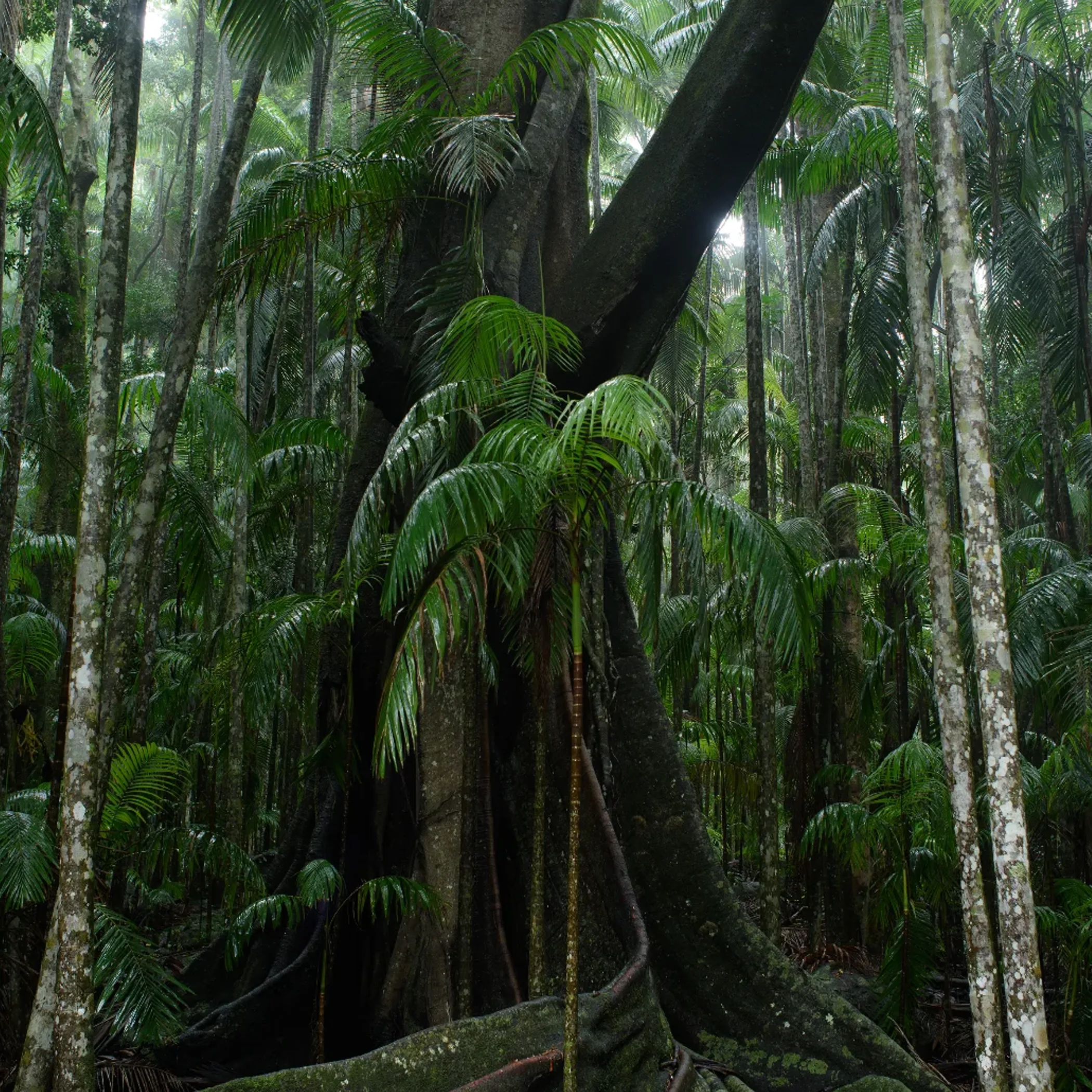
You will not find the orderly four seasons of southern Australia in these tropical rainforests. Most put their plans in for a drier winter and early spring, and a wetter stretch from late spring to autumn, but one should not be surprised at the variance in rainfall between the tablelands, the mountains and the coast. For ideal rainforest timing, consider these seasonal differences.
It is warm in the far north all year round. The variables are the storms, the creek levels, the roads and whether one is at ease in damp heat. Then again, rainforests have no regard for calendars and a dry month can still see a tropical downpour.
| Period | Typical Conditions | Best Suited To |
|---|---|---|
| January–February | Hot and humid, very wet at times, with cyclone and storm risk up north | Lush scenery, waterfalls and those with the flexibility to go with the flow |
| March–April | Heavy rain may persist but there is a move towards stability | The rainforest atmosphere, adaptable road-trippers and thinner crowds |
| May–June | Humidity eases off, walking and driving are better | For the active type wanting some greenery without sacrificing comfort |
| July–August | Hiking and sightseeing are at their most comfortable | Longer itineraries, families and first-timers |
| September–October | Good access before the wetter months set in, though it is warmer and more humid | Coastal touring, wildlife and swimming where you can |
| November–December | Rainfall and humidity build and there is scope for storm activity | Those who want to see the rainforest at its most vibrant and can be flexible |
Take them as planning patterns, nothing more. Any official climate normals or warnings on tropical cyclones and rainfall are to be found with the Bureau of Meteorology before you head north out of Cairns.
Rainforest Weather In January And February
These two months are solidly in the wet season. You will have your warm temperatures and sticky air, heavy showers and then a storm will come and go without ceremony and the track will be as if hosed from a helicopter.
Plan Around Heavy Rain
There is visual drama to be had. The Daintree is a deep green, the waterfalls put on a show and creeks run hard. But trails get slippery, low roads flood and tours will alter or call it quits if it is not safe.
If the rain has put a sheen on the rocks at Mossman Gorge, do not be in a hurry like the brochure would have you. Put on shoes with some real grip, leave the fashionable trainers to be scuppered by a wet root. Only swim if the authorities say it is safe and the conditions warrant it; fast water does not care about your holiday.
In Cape Tribulation, be croc-wise at the tidal edges and estuaries. Do not be taken in by a quiet waterway and think to paddle in it. Heed the closure signs and stick to the marked path.
Rainforest Weather In March And April
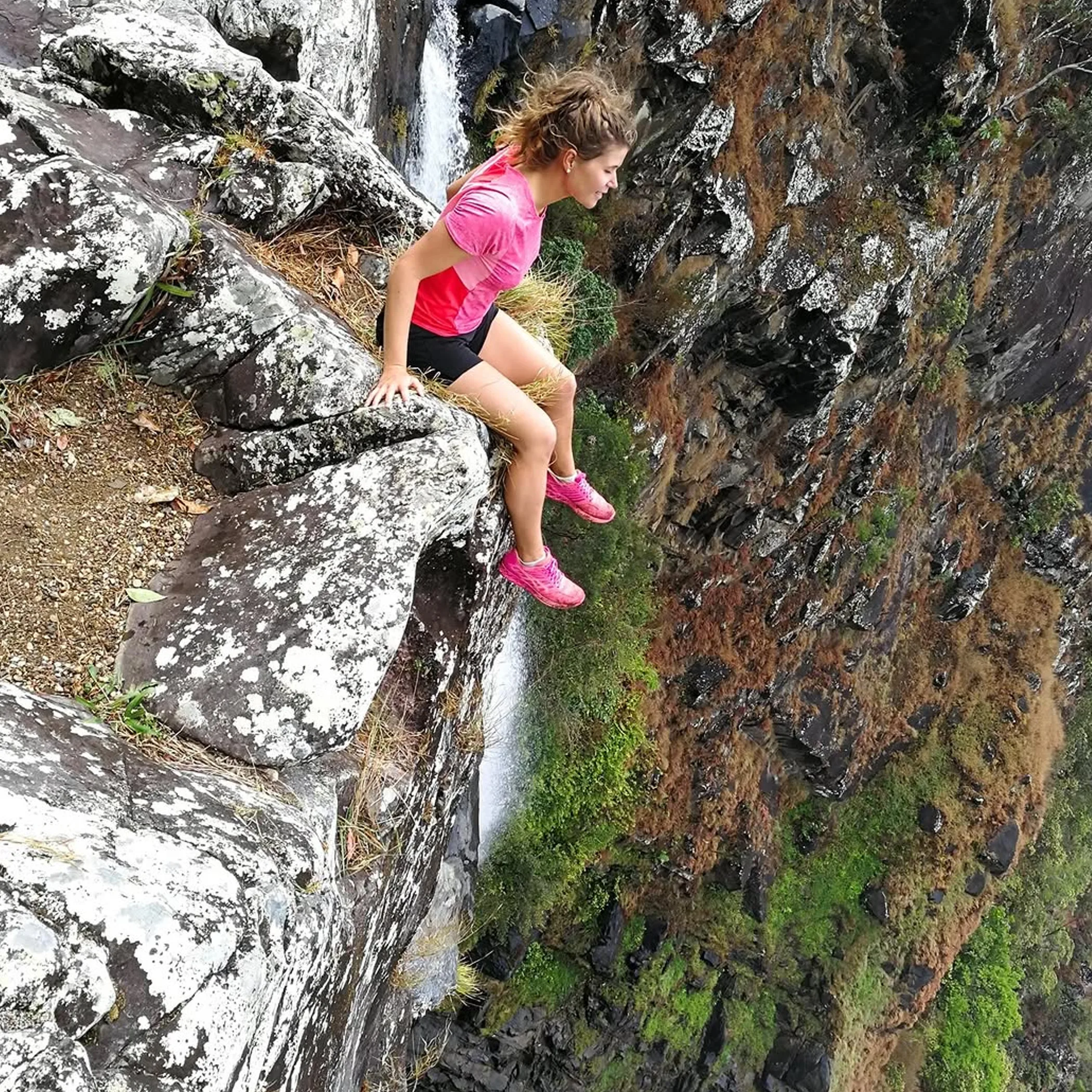
A transition of sorts, yet do not count on blue skies and dry tarmac. There can be substantial rain in the coastal ranges and the humidity will turn a short walk into an exercise.
Use Flexible Travel Days
Travellers who prefer the mood of the place to ideal conditions will do well here. Make your way out in the morning for better temperatures and let the afternoon have its thunder and showers. If a long drive or ferry is part of the plan, put in a spare day. I know the error of booking every day in succession when I was putting together a wet-tropical itinerary myself. A bit of road delay is all it takes to put an end to any laid back plans and have one in a fluster with damp luggage, a cold coffee from the takeaway and a detour that looks like a rough passage on the map. It is a straightforward lesson: flexibility is not something you can afford to be without in tropical Queensland, it is as much part of the transport system as anything else.
Before making your way from Cairns to the Daintree Rainforest, see what the access is like. The sensible thing is to head north for Mossman and on to the Daintree River, then take the local advice for getting to Cape Tribulation. Do not make the mistake of timing the last kilometre the same as the first when rain has put a brake on traffic.
Rainforest Weather In May And June

There is a pleasant drop in humidity come May and June and the walking is more of it. The rainforest is no less green but not as steamy as in the earlier months.
Choose Longer Walking Routes
One can put in several hours outdoors in the cooler weather and still be comfortable, if rain does put in an appearance and the mountains are some degrees off the coast. A good time to do a day trip from Cairns or link up Mossman Gorge with the Atherton Tablelands.
Then there is the matter of the roads. What appears a short hop on paper could be a series of single-lane stretches, lookouts and wildlife crossings, with a caravan being towed at a philosophical pace behind you. Put in the time for the journey, not just the distance from one pin to another.
Every site has its own parking and access which may be dictated by maintenance or the whims of local management. Get in early at the well known spots, park where you should and put valuables out of sight in the car. For those not in a vehicle, a shuttle or small-group tour is worth comparing over the assumption that public transport will get you to every rainforest stop.
Rainforest Weather In July And August
For the uninitiated to tropical heat these are some of the better months to be in Queensland’s rainforests. The humidity is tolerable and the trails are agreeable, rainfall is less of an interruption.
Make The Most Of Stable Days
Families and first-timers with little time to spare will find these months serve them well. There is no need to keep an eye on the sky to see if it is going to come down while you are having a long lunch and a scenic return after a morning walk.
But do not think of it as cold weather. An uphill track in the lowland rainforest or around Cairns will still see you in a sweat. Leave the heavy winter clothes at home; a thin rain jacket has more use than a jumper that takes up half your bag and does nothing but sulk.
Wildlife is about as active in the rainforest as anywhere, though you cannot count on a sighting. Keep your food put away and give them their space. It is not a petting zoo with a better name.
Rainforest Weather In September And October
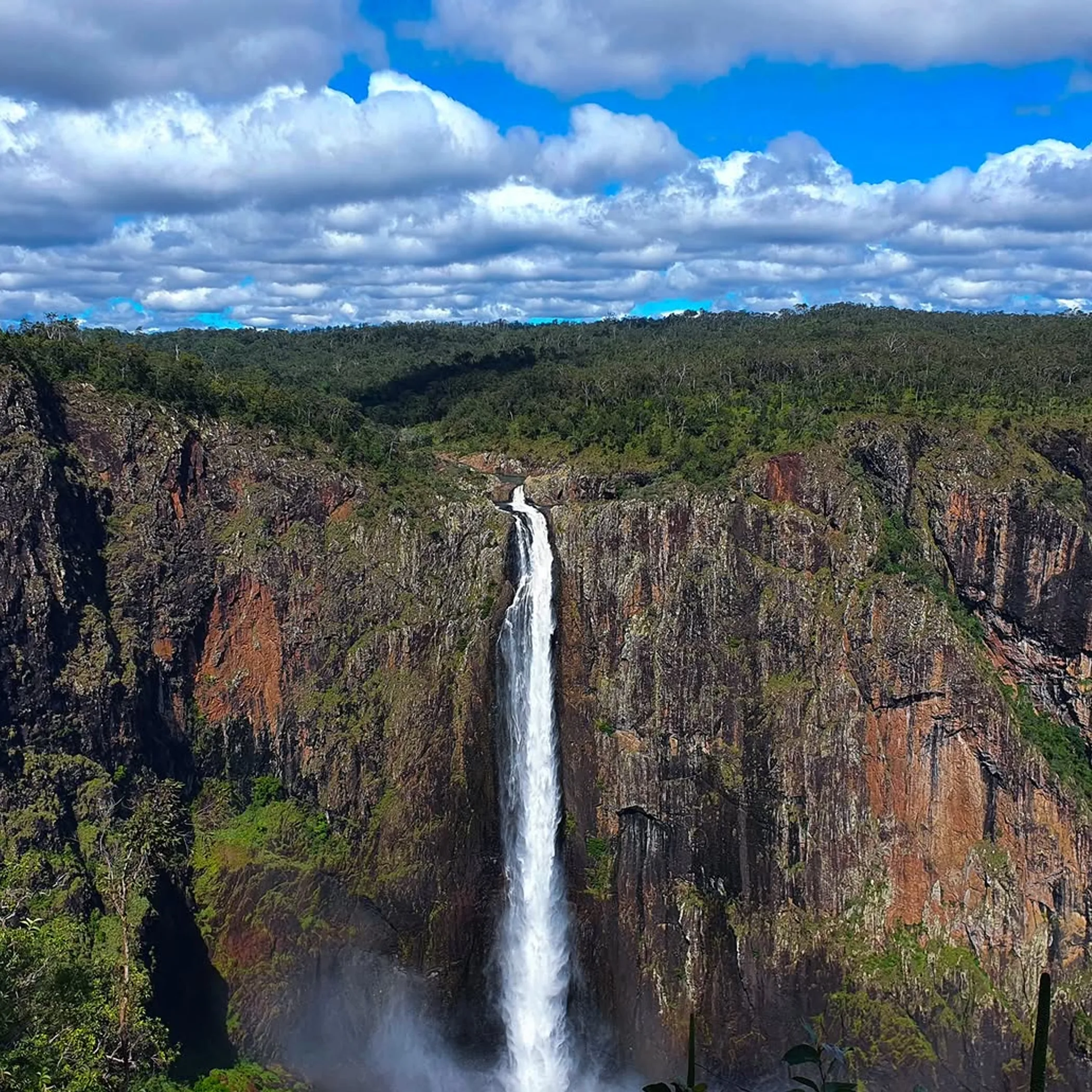
You will find a workable balance of warmth and access in these months. The days run hot and the humidity creeps up, with a likelihood of more rain as the period wears on, yet conditions are to the liking of most for some sightseeing.
Start Early And Stay Cool
Get on the longer trails early, in the Atherton Tablelands or near Cairns. Have water to hand and put in a break before the tropical heat gets to you; it has a way of catching out those who measure exertion by the thermometer.
A mixed agenda is called for: a walk in the rainforest pre-lunch, an afternoon drive and something flexible in the evening close to Cairns. Should you be at Cape Tribulation, check the tides for any coastal walks and do not consider a beach track a shortcut with the water coming in.
Rainforest Weather In November And December
The wetter summer pattern is building in northern Queensland by November and December. Storm systems are a factor here, as is the intensity of the heat and humidity and the suddenness of the rain.
Expect Last-Minute Changes
All that rain makes for a fine looking rainforest but it has its effect on boardwalks, swimming and the roads. Verify conditions in the morning and once more on the way back.
Cyclones are a seasonal hazard in the north in the warmer months. An alert is not cause to call off a visit per se, but official guidance should be heeded and one should stay clear of any closed or flooded ground and let one’s accommodation know.
When your accommodation is in some out of the way part of the rainforest, it is wise to enquire as to what emergency communication is on offer, any possibility of power being cut and how one might make an alternative exit. Do not put stock in optimism as a contingency; mobile signals are apt to be unreliable.
Queensland’s Rainforest: How Humid And Wet?

In brief, wet and humid enough to dictate your wardrobe, the length of your walk and the way you keep your camera safe. But rainfall is not uniform; mountain-facing parts of the rainforest will have conditions that are quite unlike those of a coastal town or the inland tablelands.
Common Misconceptions
It is a mistake many make to think the wet season is nothing but all day rain. More often you will have a combination of warm sun, cloud cover, the odd heavy shower and time for things to dry off. Then there is the error of supposing the dry season is free of mud and rain and that a jacket is superfluous.
Even with little in the way of rain, the humidity will tell on your comfort. A cotton shirt gets heavy, a waterproof jacket turns into a kind of sauna and your backpack seems to have a micro-climate of its own. One should opt for quick-drying attire, have a small towel at hand and put electronics in a waterproof bag.
- Sturdy shoes with some grip are de rigueur, as is a hat.
- Have water and insect repellent to hand, along with a rain jacket, a pouch for the phone and sun protection.
- Before setting off, see what the weather warnings are and check on track and road closures, tides and the like.
- Confine yourself to marked trails and do not go where there is floodwater or in areas that are closed off.
For those new to it, a sensible place to start is the shorter walks put in by the visitor authorities. The more remote tracks with their steepness and slippery roots can be demanding in no time in this kind of humidity. Those with heat issues or limited mobility would do well to book an accessible boardwalk after checking in with local operators on the state of things.
Timing Your Visit
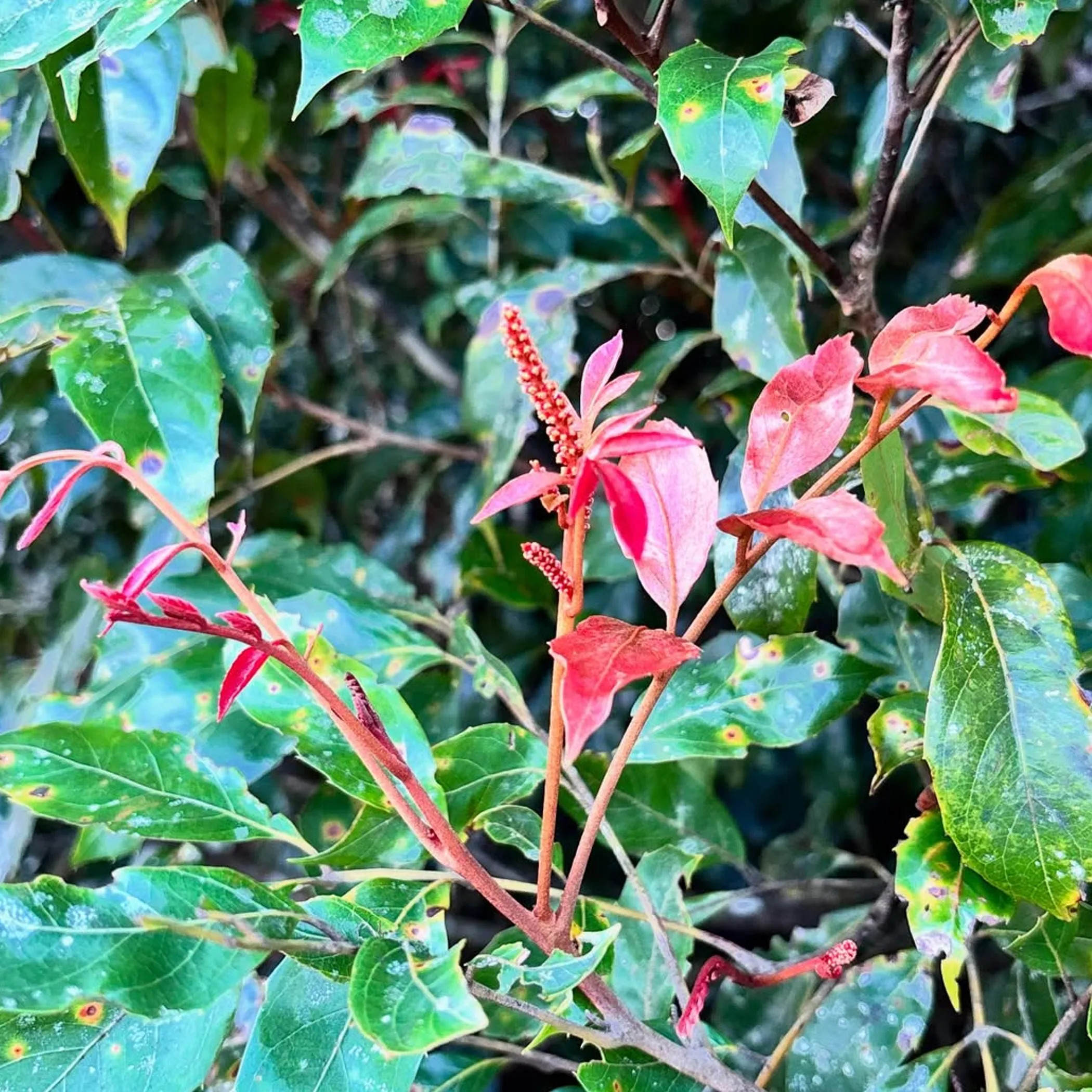
Your priorities will determine the ideal time for a Queensland rainforest trip. An easier walk with less in the way of weather interference is to be had in the cooler, settled portion of the dry season. Go in the wet season for the atmosphere and the flowing waterfalls, so long as you are amenable to having to alter plans.
A Day In The Best Month
With only a day to spare, make for a well-run area in the vicinity of Cairns, an organised route on the Atherton Tablelands or Mossman Gorge. Put in an early start and plan for one good walking experience, allowing for the return drive, lunch and any delays from the weather. To try and fit in Cape Tribulation, the Gorge, a few waterfalls and Cairns as well is not ambition, it is an invitation to find oneself in a car park with a muesli bar at the end of the day in wonder of where the holiday has gone.
Over two days or more a base in Cairns and a foray north makes sense. You can hire a car for the freedom of it or take a guided tour to take the stress out of access and navigation. As for permits, parking and the rest, charges differ from operator to operator, so do not trust an old forum post but verify them when you book.
I have a rule of thumb: put the activity most vulnerable to the elements on the day with the clearest forecast and save the museums and a scenic drive for when it is wetter. It is a matter of organisation that will prevent a travel complaint and make for a better tale come evening.
Some Questions From Travellers
You will find these are the sort of questions that arise once the white sneakers have been packed for a tropical forest. The answers are meant to be practical in the interest of making the trip simpler.
Wet Season: Is It Worth It?
It can be if you are after some unscripted time in the lush vegetation and do not require a tightly run schedule or surety of road access. Otherwise it is not as suitable.
Does The Weather In Cairns Feel Cooler?
Under cloud or at elevation the rainforest around Cairns may, but the exertion and humidity put in some heat. Do not let the temperature in town be your only guide; dress in something breathable and drink up.
Swimming In The Creeks?
Where the authorities allow and it is safe. A lot of rain will put up the water and currents in a hurry and you will not be able to see much. Heed the warning signs and steer clear of any closed off spots.
Four-Wheel Drive Essential?
Not at every attraction. Ordinary vehicles will get you to most established sites though one should check the advice on the roads after a downpour and not presume a rental is up to every unsealed track.
The Best For Wildlife?
There is no month for that. It is a matter of luck whether you spot anything, not something you pay for. Quiet conditions in the morning help.
Do Not Rely On The Calendar
Think of the monthly weather in Queensland as indicative of patterns, not a guarantee. The wet season has its uncertainties in terms of roads and trails but gives you a richer rainforest. Pick a month to suit, heeding official warnings, and let the tropics have the last word. Pack for the rain, be croc-wise and show some patience on the roads. A bit of mud is the price of admission to see the forest in full voice.