For most, the answer is straightforward: come between May and October. The dry season offers a good mix of warm weather, less humidity, and a schedule that isn’t upended by the elements. But if you are looking for something with more nuance—be it a big waterfall, a lower price tag, or some space to yourself—the ideal time to be in Darwin can vary.
Darwin’s climate in brief
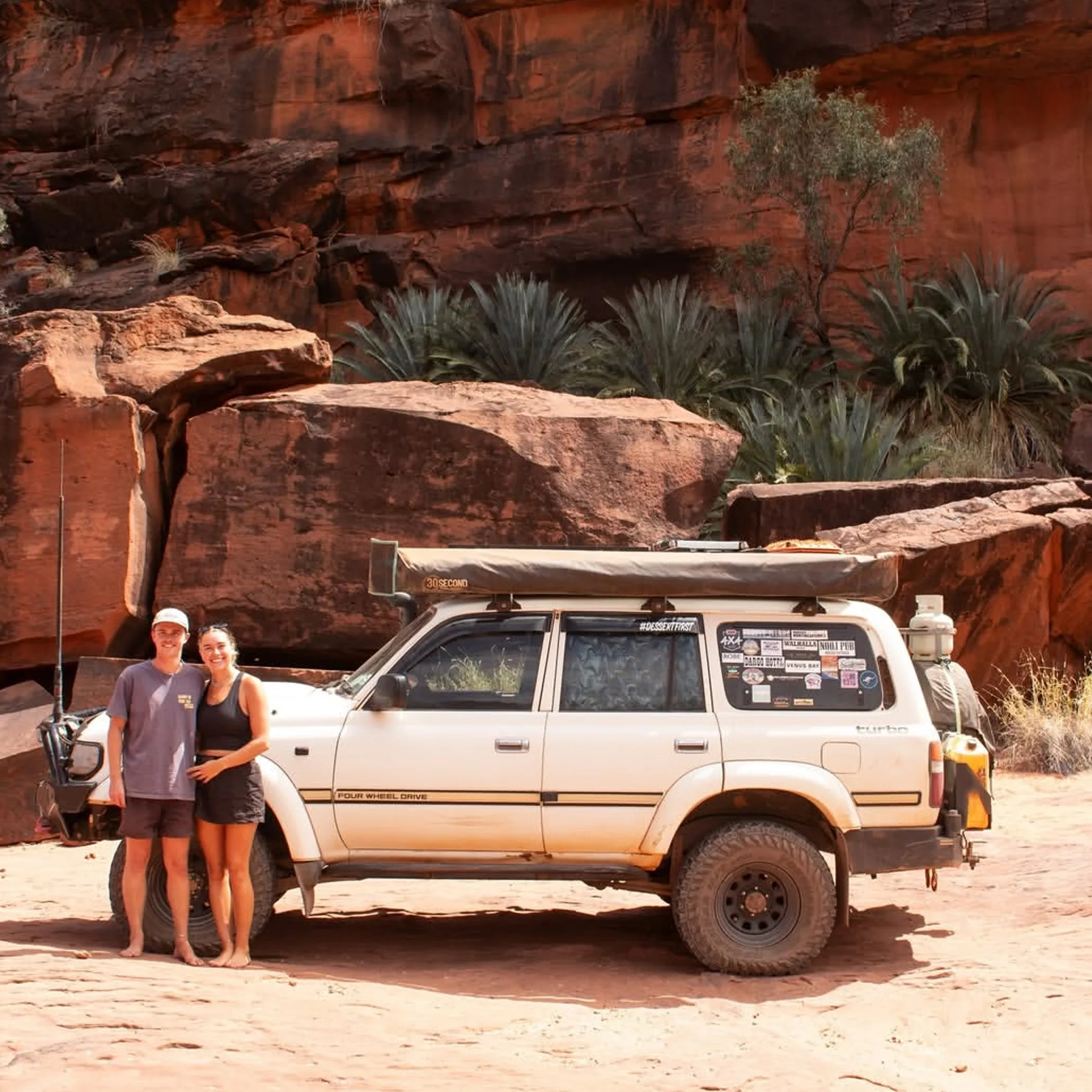
Being in the Top End of Australia means you can put the old four-season model aside. In Darwin, it is a matter of the dry or the wet (some will call it the green) season.
It is a simple distinction, but one that has a lot of bearing on your trip. It will determine how the air feels, which roads are passable, and how well you can make your way around places like Kakadu or Litchfield National Park.
Dry vs. Wet
The dry season (May–October) is the no-fuss option for exploring Darwin off-the-beaten-path spots. You still have the heat, but with a lot less of it in the form of rain and mugginess.
Then there is the wet (November–April). This is when the monsoons come in with the heat, the storms, and the kind of rainfall that makes for some very lush country, even if it complicates things a bit.
| Season | Months | What to expect | Good for | The flip side |
| Dry | May–Oct | Sunny, low humidity, not much rain | Parks, road trips, first-timers | More people, steeper prices |
| Wet | Nov–Apr | Hot, stormy, heavy rain | Waterfalls, scenery, a bit of quiet | Closures and weather |
The case for the dry months
If you want a trip where the weather doesn’t make the decisions for you, the dry season is the way to go. It is the period when Darwin is at its most sociable. You can plan an evening out for some outdoor dining or a walk at sunset without having to hedge your bets.
Weather-wise, do not be under the impression it is cool. It is a tropical kind of warm, only without the weight of the wet-season air. That makes for better driving and more agreeable evenings.
What the weather feels like
Weather-wise, do not be under the impression it is cool. It is a tropical kind of warm, only without the weight of the wet-season air.
That makes for better driving and more agreeable evenings.
Top reasons to visit then
You will find it easier to put in a day at Litchfield, head to the Mindil Beach Sunset Markets, or check out the Darwin Festival. It is also the time to see the wildlife and get out on the open road.
- Easier access to many Top End attractions
- Better conditions for Kakadu day trips and longer drives
- More comfortable visits to Litchfield National Park
- Outdoor events such as Darwin Festival
- Mindil Beach Sunset Markets in pleasant evening weather
- Good conditions for walking, wildlife viewing, and scenic drives
Downsides of peak season
But there is a trade-off. When everyone else is in town, so are the costs. Flights and rooms run higher, and the good tours are often spoken for.
If you do not mind the company of other visitors, it is all fine. For a little more value, though, a shoulder month might be in order.
On the other hand, the wet season
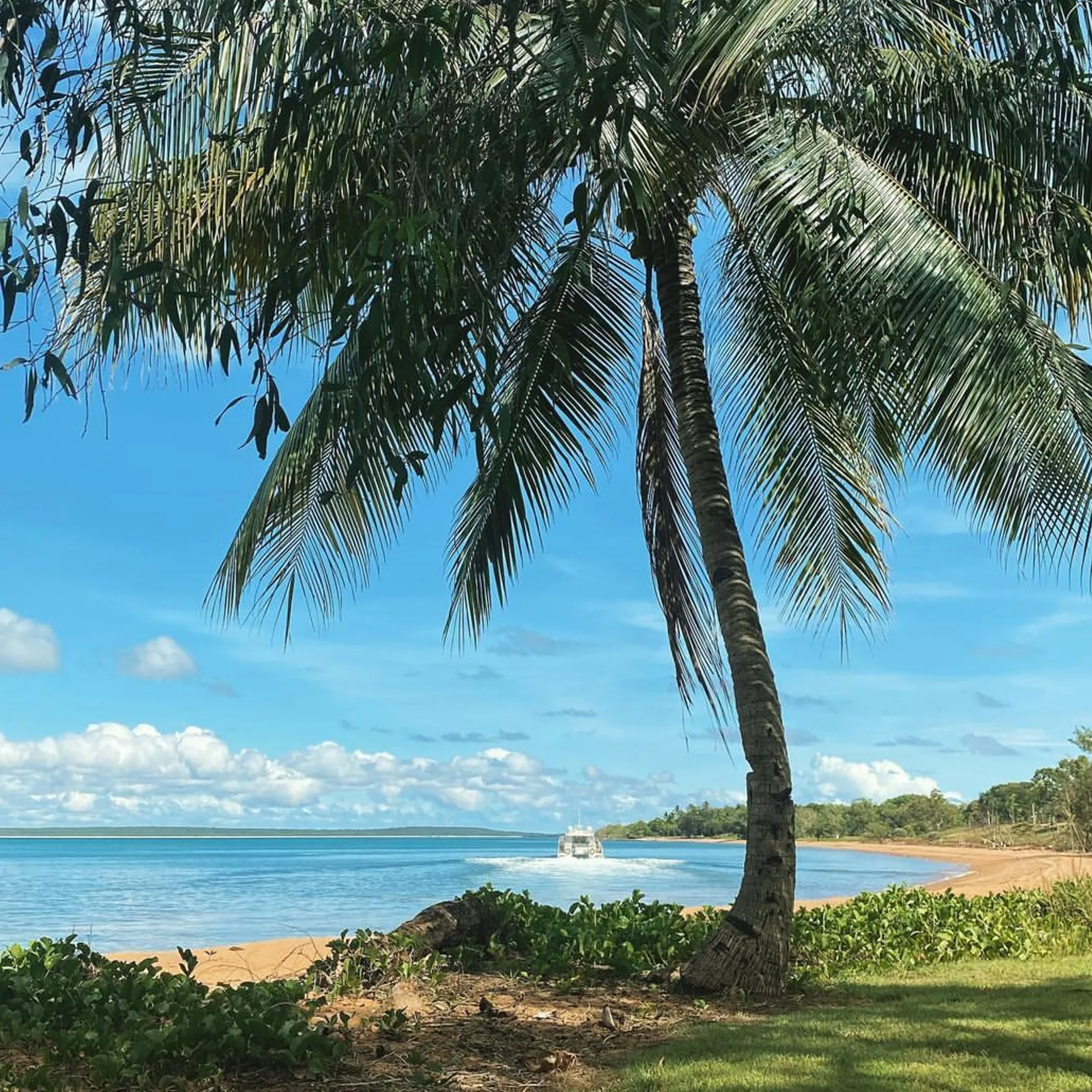
There is a certain drama to a Darwin wet season. It is not a bad time to be here, but it does require a bit of give-and-take.
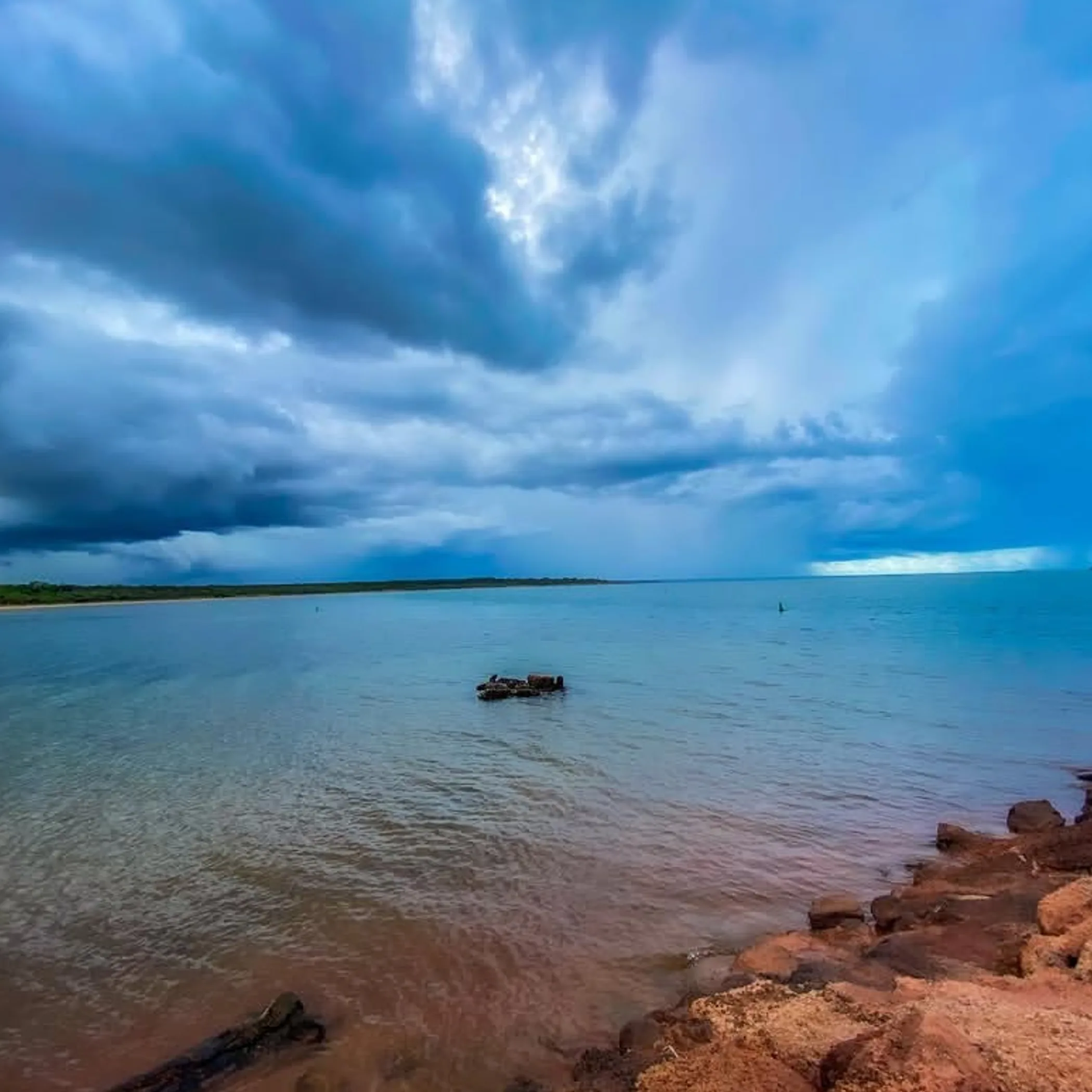
From November through April, the city gets up to temperature and the humidity is in full force. A monsoon can roll in with little warning. You will see the kind of towering clouds and fast-moving greenery that some put in a photo album and others would rather have been back in July.
Heat, humidity, and storms
From November through April, the city gets up to temperature and the humidity is in full force. A monsoon can roll in with little warning.
You will see the kind of towering clouds and fast-moving greenery that some put in a photo album and others would rather have been back in July.
Why some people prefer it
Some make the case for these months. The waterfalls are in full flow, the skies are put on for show, and you will not be as hard-pressed for room. You may even save a few dollars in the process.
- Lusher scenery across the Top End
- Spectacular thunderstorms and cloud formations
- Powerful waterfalls near Darwin and in Litchfield
- Potentially lower travel costs in some periods
- A quieter, less crowded feel
Risks and limitations
Just be aware of the limitations. Some swimming is off the table. A road or two in the park could be closed. And depending on the rain, parts of Kakadu are simply not as easy to get to.
Safety in the parks and on the road is a given. Before you head out to some of the more isolated parts of the Northern Territory, it is worth looking at the official updates and having a plan with some give in it.
A month-by-month rundown
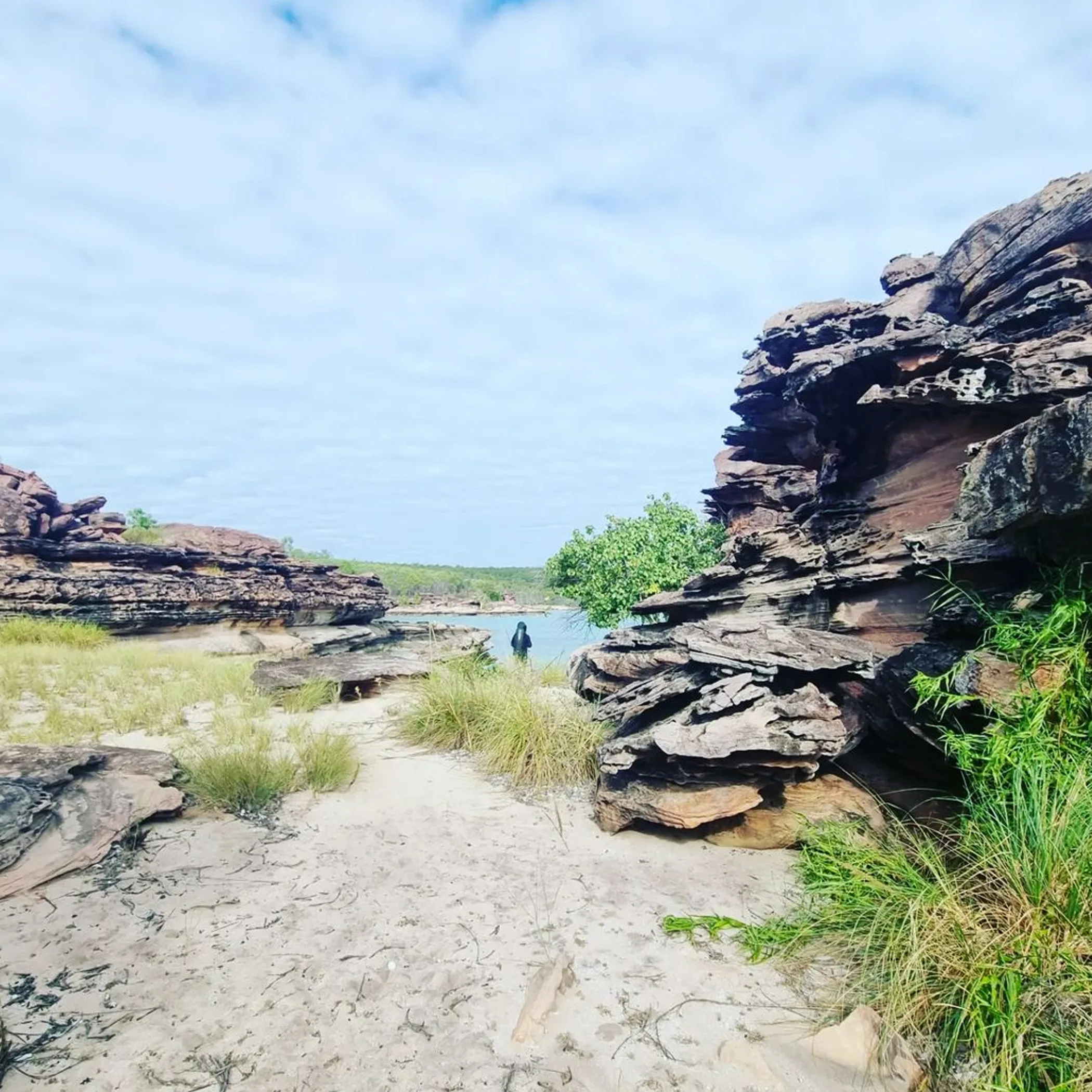
There is a reason for this: Darwin’s weather doesn’t make an abrupt change. It eases in and out. The in-between times can be just as good if you are after a mix of value and comfort.
Here is the unvarnished take.
May through June
You will find a lot of people consider these months a no-brainer. The country is still put on display from the recent rains, but things are drying up and travel is less of a chore. Humidity is down and you can get into the parks without much trouble.
July and August
The peak. For most, it is the right time to be in Darwin. The weather holds, you can do what you like outside, and there is a buzz in the town. You will see more of them (other visitors) and the prices don’t have as much room to move.
September to October
The heat and the mugginess start to set in. But you have the dry season on your side. Some would say early September is hard to beat; you get the conditions you want with a little less of the hassle that comes with the height of the season.
November and December
Things turn up a notch. With the humidity and the odd storm, it is for those who don’t mind a bit of stickiness and like a show from the sky.
January to April
This is when it gets wet and wild. You can have a fine time of it with the greenery and the lack of crowds, but you have to be ready to go with the flow. The monsoon can arrive suddenly, dramatically changing weather conditions in Darwin during the wet season.
| Period | Weather | Crowds | What it is for |
| May–June | Drying off, better access | Moderate | A well-rounded trip |
| July–Aug | Dry, sunny, low humidity | High | The standard visit |
| Sept–Oct | On the warmer side, mostly dry | Mod. to high | Shoulder season |
| Nov–Dec | Hot, some storms | Lower | For the budget or the view |
| Jan–Apr | Heaviest rain, some closures | Lower | If you like to be flexible |
On the timing of things
When is the best time to come? It depends on what you are here for. Some guides don’t make that distinction, but a person after a dry road has different needs than one after a waterfall. Put your priorities first and let the season follow.
Put your priorities first and let the season follow.
Parks and open roads
The dry season is where it is at for ease of driving. Getting to Kakadu or Litchfield is a simpler proposition.
Out in the Top End, a map can be misleading as to whether a road is passable.
Chasing water and colour
Want to see Litchfield in full force? The tail end of the wet or the very start of the dry is the way to go. Just make sure you check in on conditions before you set off.
In the city
If you are in for the Mindil Beach Sunset Markets or the Darwin Festival, the dry months are preferable. The evenings are warm and you can walk around without being weighed down by the air.
Fishing and wildlife
Animals are easier to come by in the dry when they are drawn to the water. As for fishing in Darwin, it is as much about local conditions as anything. Don’t take any word as gospel; verify it as you get closer to your dates.
Making the numbers work
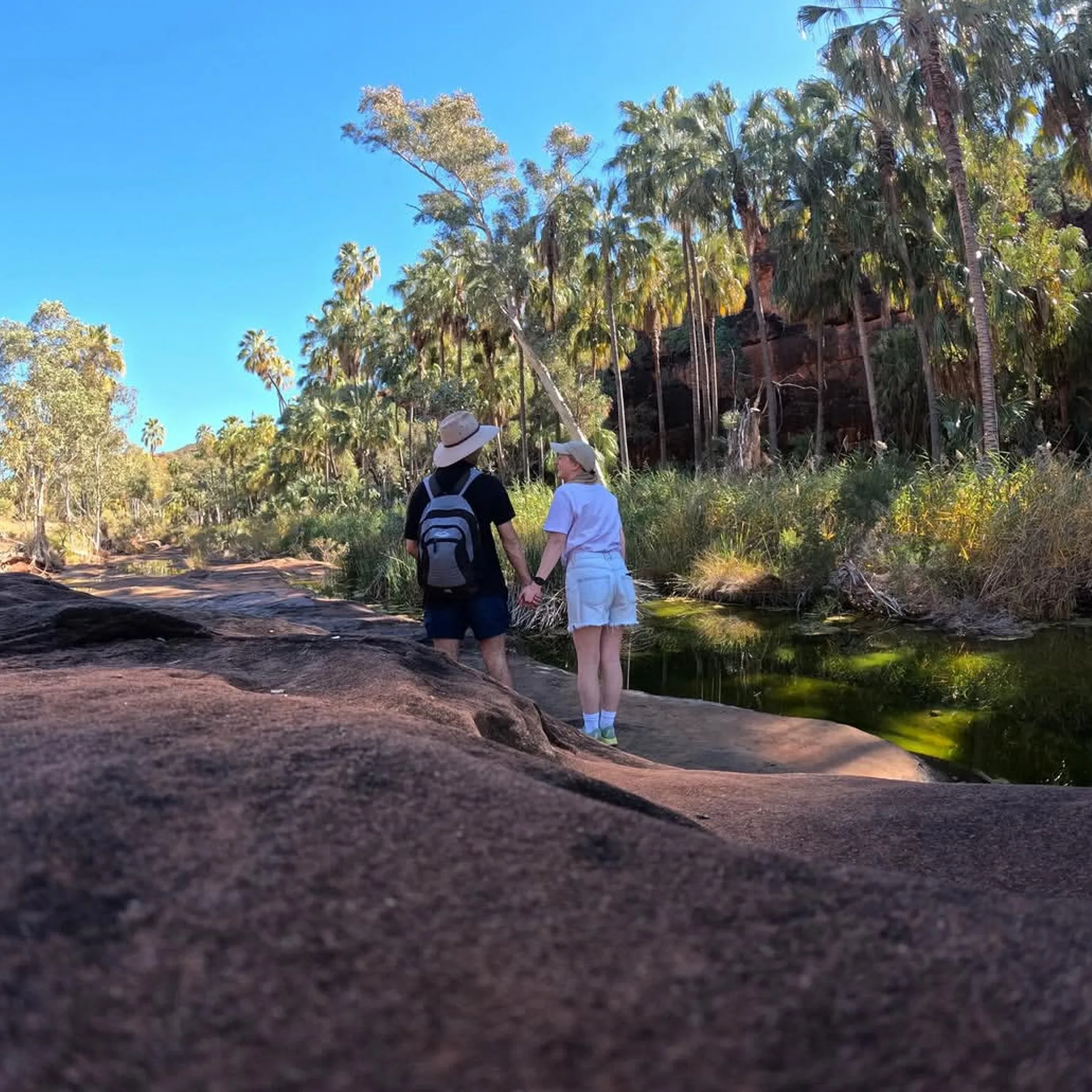
The wetter months, when the big holidays are over, are where you will find the lower cost of doing business in Darwin. The catch is the weather.
Then there is the shoulder season. It is a wiser call for some: you sidestep the top-tier rates and the worst of the storms.
Where you might find some
Nothing is set in stone, but you can often do better for your money if you are not in the thick of the dry season.
Some of the better windows
- Late April to May, when the landscape is still green.
- Early September, for solid conditions and a bit of breathing room.
- A few weeks in October or November, provided you are up for the heat and can be easygoing.
Some advice
Darwin is for the practical sort. There is no need for overthinking. Make sure you have your sun block, water, and know where the park boundaries are. Those are the details that count.
Those are the details that count.
What to have with you
Packing for the dry season is straightforward: some light attire, a hat, sun block, a good pair of walking shoes and a water bottle you can use again. Toss in a thin layer for when you’re inside; the air conditioning has a way of being more potent than you’d think.
When the wet season rolls around, you need to be a bit more prepared. Think in terms of breathable fabrics, something to keep the rain off, covers for your bag and a supply of insect repellent. Fast-drying is key.
On the matter of roads, parks and general safety
It’s just part of the routine when you are in Darwin to be on top of any road or park closures, and this is even more so in the wet months. Before you make for the outback, have a look at what the authorities are saying. A route that was open yesterday may not be today.
And give the heat some respect. It is no comparison to the kind of dry you get further inland. Drink up, take it easy and don’t let the tropical conditions catch you off guard.
A few day-trip options for those who have been there, done that
Once you have put in your time at the must-sees, there is plenty of room to find a quieter side of the region. There is a certain appeal to letting the scenery be the main event in Darwin.
Head to some of the less obvious places in the Top End for a change of pace. You will come across some unassuming nature and regional haunts that are more of an experience than a box to be ticked.
Deciding on when to go
The surest bet is the dry run from May through to October. For the majority, it is the most hassle-free way to see the city and the national parks.
But the wet season is hardly a non-starter. If you don’t mind the humidity and are open to a little unpredictability, you can see the Top End in a much more vivid, if stormy, state. Go with what fits how you like to travel.
Some common questions
What is the best month to be in Darwin?
For most, June, July and August are the smoothest. The weather is warm but the humidity is down, making for better days out.
Is the wet season in Darwin worth the trip?
Only if you are after some verdant views, a bit of drama and to avoid the hordes. If you prefer your days to be a given, then no. It has its rewards, but you have to be a little more pliable.
I’m looking to do Kakadu and Litchfield. When is the right time?
Dry season is the way to go for the least amount of trouble with the roads. Some like to time their visit for the tail end of the wet to see the waterfalls in full flow, but do your homework on access first.
When is it the most affordable?
Generally in the wetter months, provided you are not in the middle of a holiday. You will see better value, but the trade-off is the weather and the stickiness in the air.
How long should I plan to stay?
A good rule of thumb is three to five days. You can cover the city, hit up the markets and still have room for a couple of excursions to Litchfield or beyond.