What Australian patients are looking for in a hair transplant recovery timeline is not complicated. In two weeks or so the scalp will have settled, there is the matter of some early shedding over the first months and then new growth tends to make itself seen from month 3 to 12. As for final density, that can put in another 12 to 18 months of improvement, contingent on your individual hair cycle, the grafts and procedure.
I am Charlotte Redfern and in this guide I set out the sort of recovery time Australia patients should be realistic about. You will find information on FUE recovery, the discomfort and swelling that come with it, how to wash and exercise, donor area healing and what to make of sun exposure. There are no shortcuts in hair restoration; you cannot treat it like an errand and patience is called for.
What is Entailed in Recovery
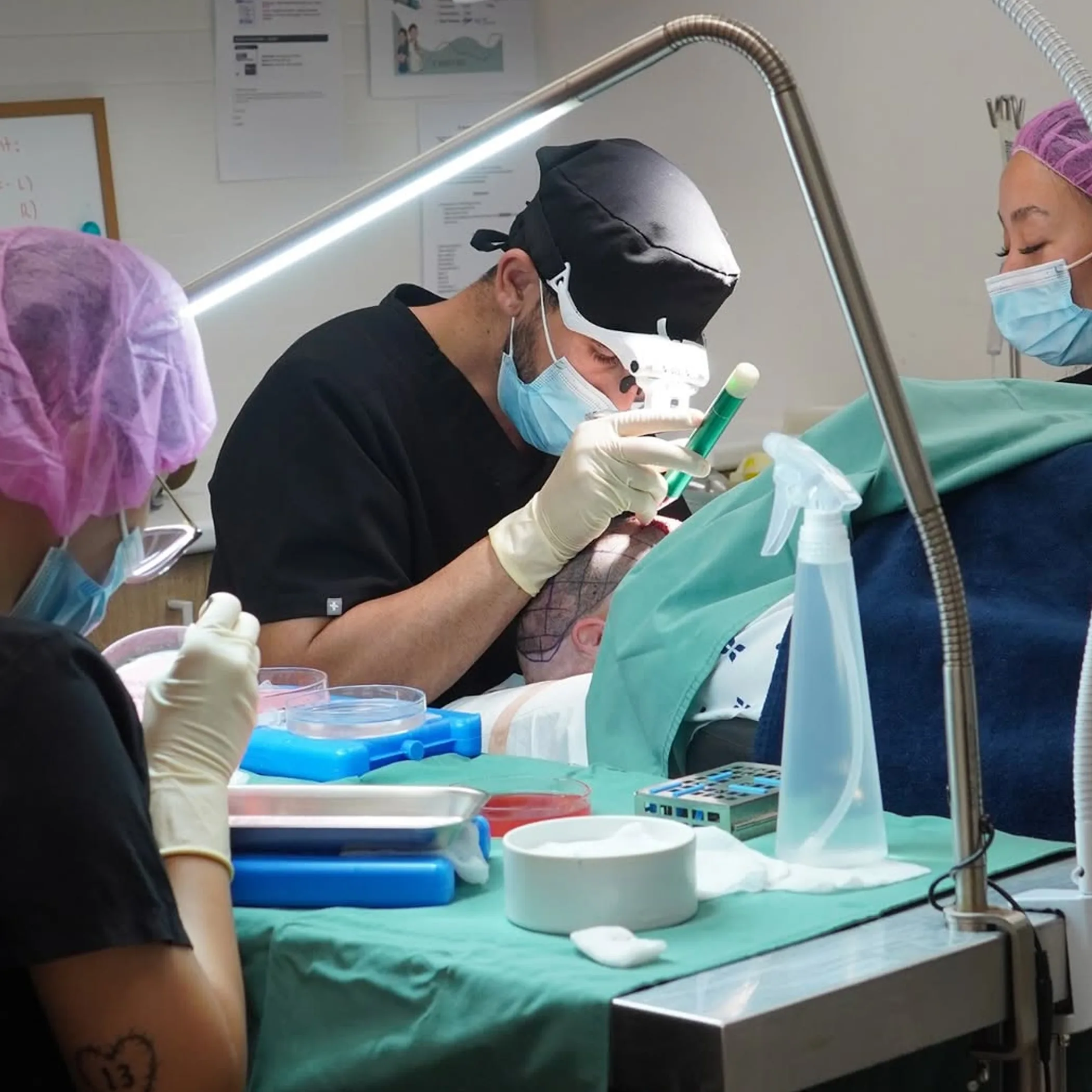
In essence a hair transplant is the transfer of follicles from one part of the head to another. The FUE method is the modern standard, taking individual follicular units and putting them in small recipient sites. Healing will be influenced by everything from your medical history to the number of grafts and the technique employed, which is why post-operative care from your clinic needs to be tailored to you. You can also explore SMP and surgical hair options.
There is wound healing to begin with and then the hair cycle has to adjust. Do not be deceived by the early look of things; transplanted hairs can shed while the follicles are in good health, so it is no sure indicator of the outcome.
A View of Recovery Milestones
| Time After Treatment | What to Expect | Where to Focus |
|---|---|---|
| First 48 hours | Some redness, tenderness, pinpoint bleeding or a little swelling. | Stick to the clinic’s word on medication and sleeping position and rest. |
| Days 3 to 14 | Swelling might peak before it abates and any scabbing will lessen. | Be gentle with the scalp when washing and do not scratch. |
| Weeks 2 to 6 | Shedding of the transplanted hairs is possible as is shock loss in the vicinity. | Put off passing judgement on the result and get back to activity in stages. |
| Months 3 to 4 | Uneven new growth could start to show. | See your follow-up and carry on with the approved regimen. |
| Months 6 to 12 | One would normally see more in the way of thickness and coverage. | For a record of progress, take photos under the same light. |
| Months 12 to 18 | More thickening and maturation may be in order. | Have the clinic review the work before thinking of anything else. |
These are clinical expectations rather than any kind of guarantee. A proper review of your treatment plan and scalp is of more value than making comparisons with what is posted online.
The First 48 Hours
It is a question of seeing to the grafts and keeping any discomfort in check. You might find your scalp is tight, numb or has a slight prickle to it. If the front hairline has been treated, mild swelling can make its way to the forehead or eyes.
Heed the clinic on dressings and washing. Leave the internet remedies and strong shampoos well alone; a hair follicle is not a pot plant and piling on product is not going to make it grow.
Sleep And Protecting the Scalp
To keep pressure off the recipient area the clinic may have you sleep with your head up. Make sure bedding is clean and that pets and inquisitive fingers are kept at bay.
Should a dressing get soaked or the pain does not subside, or a reaction to medication is of concern, get in touch with the clinic without delay. Rubbing or picking at the site is not advised.
Days Three To Fourteen
This is often the unglamorous part of the process so put in some quiet time if you can. Tenderness and crusting are par for the course and the donor area can seem dotted or irritable. The recipient side may be more apparent than you would like.
Any swelling that shows up a few days in is likely to alter your looks for a while but will generally go down. Your clinic can tell you what is to be expected of the procedure and when to put in a call.
Washing
When your clinic says it is time to start washing again, do it their way. Lukewarm water and a cleanser with some light contact from your fingertips is better than a hard scrub. Unless the clinician gives the all clear, do not put the full force of the shower on the recipient area.
Let the scalp dry as you have been told. There is no need to be unduly aggressive with crusts; picking at them too soon risks infection or bleeding and will only irritate the skin.
Daily Checklist for Healing
- Medication and products are to be those your clinic has sanctioned.
- Clean hands before the scalp is touched.
- No swimming or spas, nor anywhere dusty, until given the go ahead.
- Keep the sun off the scalp.
- Should you experience any of the following, put in a call to the clinic: pain that is getting worse, redness that has spread, pus, fever or bleeding that will not stop.
Weeks Two To Six
The scalp surface may appear far more subdued in weeks 2 to 6 yet the hair transplant results timeline can be underwhelming. A good number of the transplanted hairs are shed in these weeks. Do not read this as a sign the treatment has been unsuccessful; the follicle is still under the skin and will put out new hair in time.
Then there is the matter of shock loss. The physical demands of the procedure can cause some of your own hair in the recipient area, and at times the donor area, to come out for a while. If the shedding is rapid or on a large scale, check with your clinic to see if it is what one would expect.
Returning To Normal Activity
You will want to build up your physical activity in accordance with the clinic’s advice. There may be a need to put limits on heavy lifting, contact sports, helmets that rub and anything that makes you sweat. How much you are restricted is a function of the treatment and how you are recovering, so do not take your cues from some stranger’s regimen on a forum.
Aftercare is not always convenient in Australia. A healing scalp can be aggravated by the heat, dust, ultraviolet rays and outdoor labour. Those who work on building sites, have long days or make their way to work on a motorbike should put in for leave where appropriate and find out when headwear is acceptable.
Months Three To Four
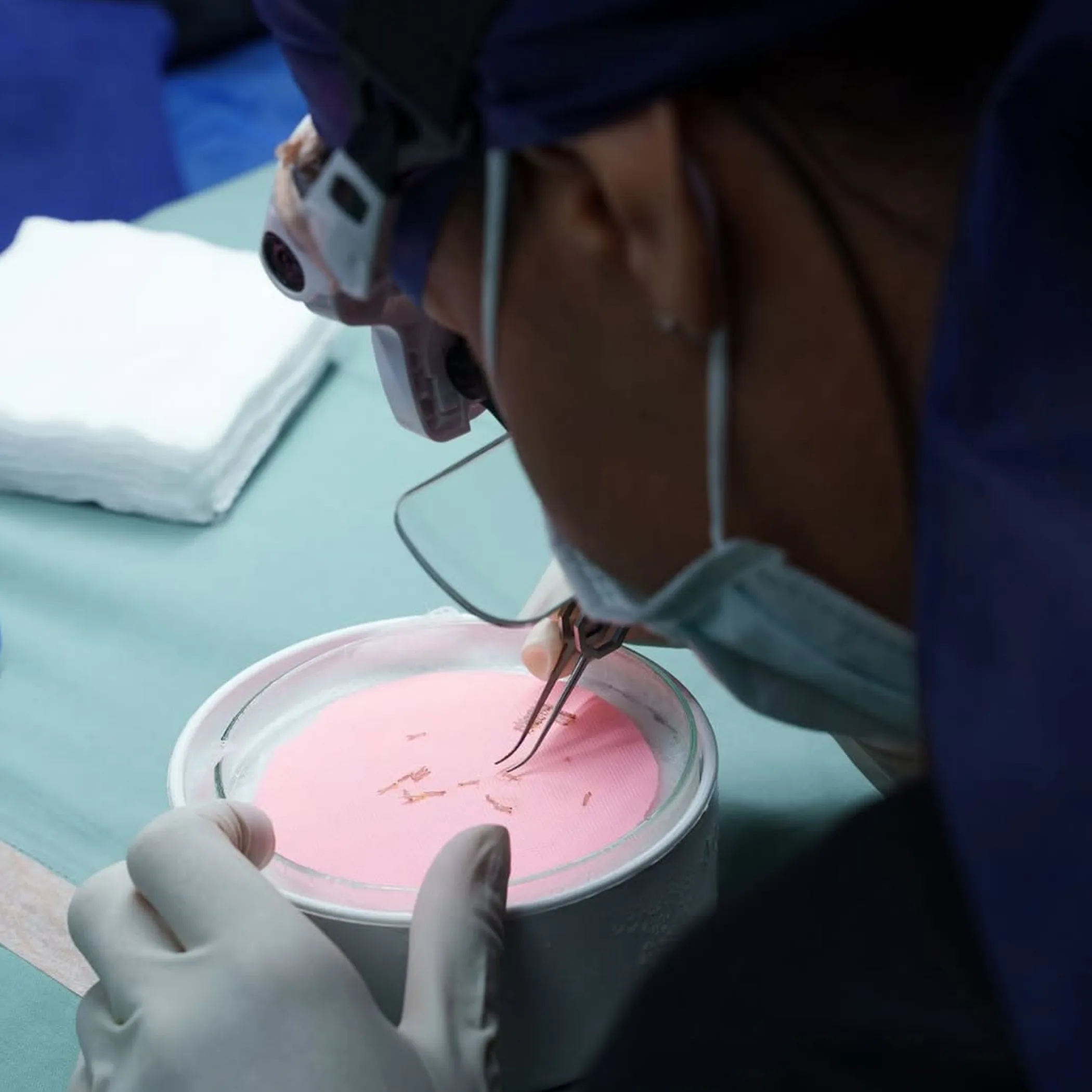
Some will start to see evidence of new growth around months 3 and 4. At first the hairs might be fine or uneven and lack colour before they thicken. It is patchy looking at times as the follicles do not all go into the growth phase simultaneously.
Patience is called for. One is tempted to think slow growth is an indication of bad surgery or to put a whole new set of products in the bathroom cupboard; both are errors, the latter making it hard to tell what is doing the scalp any good.
Tracking Early Progress
A monthly photograph is of more value than the daily mirror because changes in hair are a gradual process. Make sure you are taking them in comparable light from the crown, sides, front and donor area. Follow-up appointments should be kept regardless of how slow things seem. Your clinician is in a position to evaluate the condition of the scalp and the survival of the follicles, as well as the direction of growth and any pre-existing hair loss.
Months Six To Twelve
It becomes plain to see an improvement in coverage and thickening between the sixth and twelfth month. In the crown especially, where density is not easy to judge and growth is slower, the hair can feel finer than one would like.
How dense the hair is will be down to a host of factors: the calibre of the hair and its contrast with the skin, the number and spread of grafts, natural patterns and continuing loss. You do not need every transplanted follicle to be of like thickness for the result to have fullness.
Expectation Versus Reality
The expectation is to have a hairstyle in order soon after the procedure. The reality is that the final outcome is months away and the scalp may look worse for the wear before it improves.
It is thought that more grafts are a sure thing for density. In fact, a reputable consultation will not put forward a magic figure but talk about limitations; planning, the quality of donor hair and where the grafts are placed are just as important as the number.
Months Twelve To Eighteen
By 12 to 18 months the result is mature enough to be appraised. The hair will have blended in and put on texture and substance. While some are content earlier, others will have to wait longer for the crown and suchlike.
Your clinic will be able to measure the result against what was planned. Should further restoration be on the cards, hold off until you have had a proper assessment. There is no point in hastening another procedure before the first has run its course.
When Results Need Review
If the transplanted zone is uncharacteristically painful or inflamed, or is very different to what was put forward by the clinic, or shows marked patchiness once maturation is supposed to have occurred, have it reviewed. Come with your photographs and a list of symptoms and medications.
Do not be swayed by before and afters you find online; the lighting and styling are not the same and they are no substitute for a medical opinion.
Aftercare And Warning Signs
What is prescribed for aftercare in Australia ought to be tailored to the operation. Before you leave the clinic, get written instructions and know who to ring after hours. Make inquiries as to sun exposure, hats, travel, washing and the like. For some general information on cosmetic surgery and what to ask a provider, healthdirect has useful material. But for an individual assessment of your scalp your treating clinician is the one to see.
Contact Your Clinic Promptly
Should the pain be severe or on the increase, there is a rapid build up of swelling or redness, the area is hot to the touch or you notice pus, have a fever, bleeding will not stop or for any reason you are unwell, put in a call for medical advice. An infection is not something one comes across often but it demands to be dealt with in good time.
It is not unusual to have some head pain following a hair transplant when the scalp is tight and tender. Do not put down anything that is severe, persistent or getting worse as part of the normal course of events though; if there is any question about it, ring the clinic. A five minute phone call is preferable to an anxious trawl at midnight.
Costs And Practical Planning
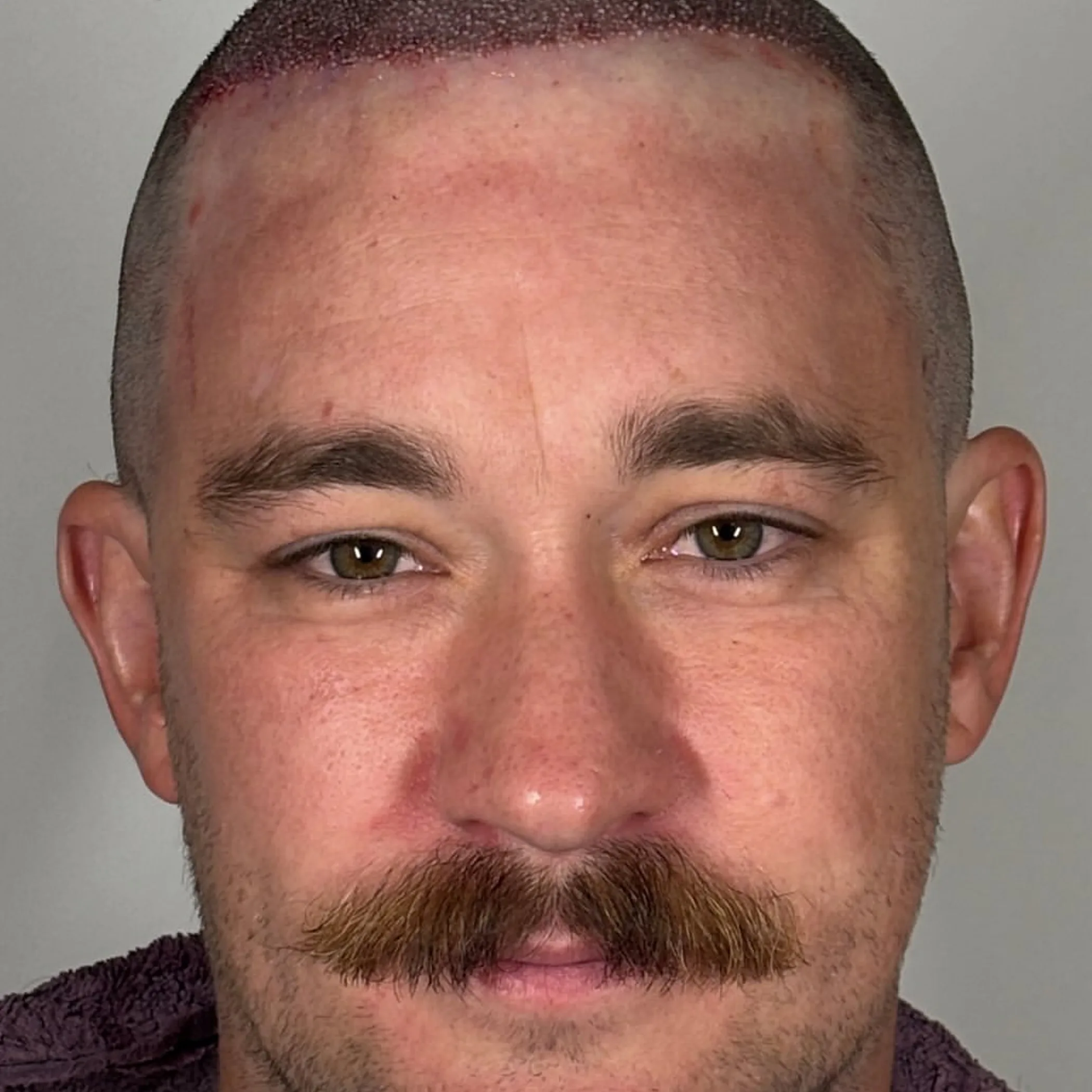
One can not put an exact AUD figure on 3,000 grafts in Australia. The way clinics arrive at a price for a procedure is variable and will be based on the number of grafts, the technique and surgeon used, the location and its facility costs, anaesthesia, aftercare and any other services on offer. It is best to get a written quote which makes clear what is for the procedure and what is an optional product or future treatment.
If travelling from one Australian city to another make provision for suitable accommodation, transport back home, your medication and a few quiet days. Unless the clinic has given its approval do not book a long flight or a trip out in the bush right after your treatment.
Who Should Consider Treatment
An adult with the right kind of donor hair may be a candidate for a hair transplant, provided he or she has the time to recover, is prepared to adhere to aftercare and is under no illusion that the transplanted hair will preclude further loss. Someone with unrealistic expectations, a medical condition that would make surgery hazardous, uncontrolled scalp disease or not enough donor hair is probably not suited to it. Any deposit should be preceded by a proper medical consultation where diagnosis, risks and alternatives are discussed.
There are those who might want to look into non-surgical restoration, SMP and other surgical options to see what fits their pattern of loss and the look they want. Let professional counsel be the arbiter of these choices, not a marketing photograph.
Hair Transplant Recovery FAQs
The following are answers to questions we are often asked but individual guidance from the clinician in charge is paramount. What is a mild symptom in one case may warrant a review in another.
Is it painful?
Severe pain is not what most would say; more like a tightness, numbness or tenderness. There is local anaesthetic for the procedure itself but some soreness in the donor and recipient areas can follow. Report any pain of a worsening nature and stick to what your clinician has prescribed.
What does 3,000 grafts run to in Australia?
You will not find a dependable single price in AUD as treatment plans and pricing models differ. Whether it is FUE or otherwise, the cost can be higher or lower with the surgeon’s involvement and inclusions. Make a comparison of what is being covered and ask qualified providers for an itemised quote.
Head pain after a transplant?
Some scalp tenderness or a mild head pain in the early going is to be expected and should abate. But if the pain is intractable, there is a fever or spreading redness, or the medication is not having an effect, get in touch with the clinic without delay.
How long before the donor area is no longer hurting?
Tenderness and sensitivity will generally be less as the healing takes hold in the first instance, though a degree of tightness or tingling may linger. Prompt medical review is in order if the area is discharging, hot, swollen or the pain is mounting.
When to expect hair growth?
New growth of a sort can start in month three or four, then thicken appreciably over the next six to twelve months and mature up to 18 months. Do not read too much into shedding in the first couple of months as that is the hair cycle and not necessarily a sign of failed grafts.
Putting Your Recovery In Perspective
Put simply, plan on two weeks for the initial visible healing, several months for new growth and as many as 12 to 18 for the final result. Heed the post-operative care from your clinic, leave the scalp alone and do not pick at it.
A hair transplant is not a weekend affair. Be realistic, let the follicles have their time and make use of your follow-ups to inform your decisions. You will be better served by that than by scrutinising every new hair in the bathroom.
{ “@context”: “https://schema.org”, “@type”: “FAQPage”, “mainEntity”: [ { “@type”: “Question”, “name”: “Is it painful?”, “acceptedAnswer”: { “@type”: “Answer”, “text”: “Severe pain is not what most would say; more like a tightness, numbness or tenderness. There is local anaesthetic for the procedure itself but some soreness in the donor and recipient areas can follow. Report any pain of a worsening nature and stick to what your clinician has prescribed.” } }, { “@type”: “Question”, “name”: “What does 3,000 grafts run to in Australia?”, “acceptedAnswer”: { “@type”: “Answer”, “text”: “You will not find a dependable single price in AUD as treatment plans and pricing models differ. Whether it is FUE or otherwise, the cost can be higher or lower with the surgeon’s involvement and inclusions. Make a comparison of what is being covered and ask qualified providers for an itemised quote.” } }, { “@type”: “Question”, “name”: “Head pain after a transplant?”, “acceptedAnswer”: { “@type”: “Answer”, “text”: “Some scalp tenderness or a mild head pain in the early going is to be expected and should abate. But if the pain is intractable, there is a fever or spreading redness, or the medication is not having an effect, get in touch with the clinic without delay.” } }, { “@type”: “Question”, “name”: “How long before the donor area is no longer hurting?”, “acceptedAnswer”: { “@type”: “Answer”, “text”: “Tenderness and sensitivity will generally be less as the healing takes hold in the first instance, though a degree of tightness or tingling may linger. Prompt medical review is in order if the area is discharging, hot, swollen or the pain is mounting.” } }, { “@type”: “Question”, “name”: “When to expect hair growth?”, “acceptedAnswer”: { “@type”: “Answer”, “text”: “New growth of a sort can start in month three or four, then thicken appreciably over the next six to twelve months and mature up to 18 months. Do not read too much into shedding in the first couple of months as that is the hair cycle and not necessarily a sign of failed grafts.” } } ] }