One might think the subject of rainwater harvesting regulations is a bit dry, but in practice there is a straightforward answer: it is legal to harvest rainwater in most of Australia so long as the installation, tank and plumbing are in keeping with local council demands, state or territory rules and national standards. The specifics will be dictated by your location and what you intend to do with the water, be it for a drinking tap, washing machine, toilet or garden.
Charlotte Redfern here from Adelaide. In this part of the world a rainwater tank is an asset one month and seems rather optimistic in the next when the dry spell sets in. I put together this guide to set out the compliance landscape as it stands today, from BASIX and backflow protection to the sort of checks that keep a tank from turning into a plumbing problem.
A Glance At The Rules
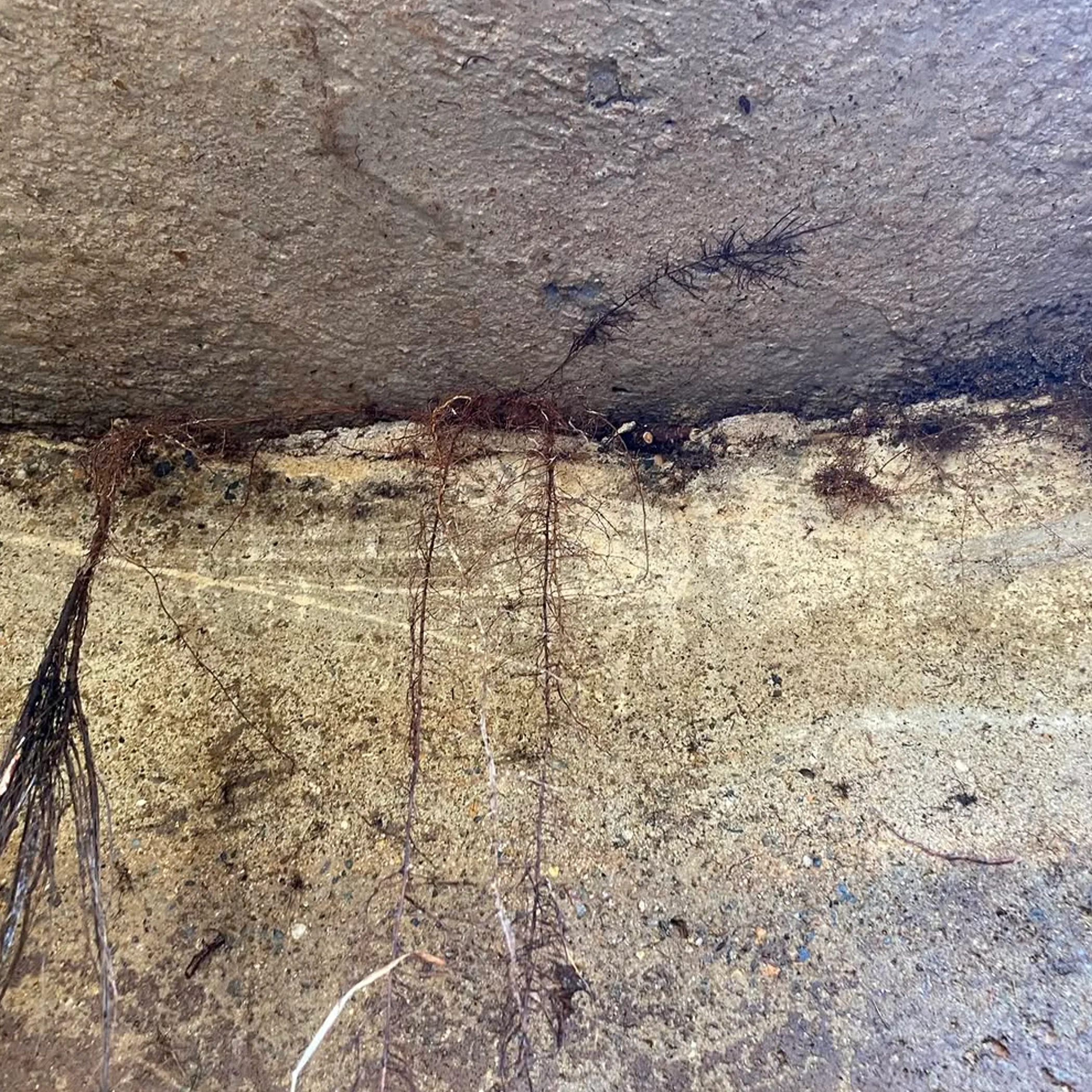
You will not find an Australian law of one stripe for every system. What we have is a layered affair: national construction and plumbing standards are complemented by health guidance, the policies of the local council, mandatory building sustainability in some quarters and the legislation of the states and territories.
It is best to consider the project in three parts: is the tank installable, can it be put to the household plumbing and what can the water be used for? You may get different answers to those questions in a new home or in an area hard hit by drought. Learn more about water saving plumbing installations.
| Compliance at a glance | What it covers | Who to ask |
|---|---|---|
| Tank and structure | Location, foundations, access, overflow and mosquito proofing | Building authority or local council |
| Plumbing connection | Mains water connection, cross-connection control, valves and pipework | Licensed plumber and state regulator |
| Water use | Whether for laundry, the garden, flushing or potable use | State health and local authorities |
| New home sustainability | System performance and any required water-saving measures | State planning or building assessment authority |
The Legality Of It All
There is no question that rainwater harvesting is legal in Australia. It is not unusual for a homeowner to put in a tank off the roof catchment for approved uses such as the laundry or irrigation.
What some miss is that having a legal tank does not mean the plumbing connection is in order. There is a difference between a tank by the shed and one tied in to internal fixtures where mains water is on hand; the latter brings with it obligations in terms of water quality and backflow prevention.
When You Might Need Permission
If the tank is large, on a stand, close to a boundary or heritage property, or can be seen from the street, the local council may want to give its approval. The same goes for areas with flood-prone land, bushfire zones or planning overlays.
And the rules in a Melbourne suburb or Brisbane are not the same as in remote communities or regional South Australia. Before you buy the tank you would do well to make a call to the council. Not as much fun as poring over the catalogue but it could preclude an expensive move later on.
National Standards
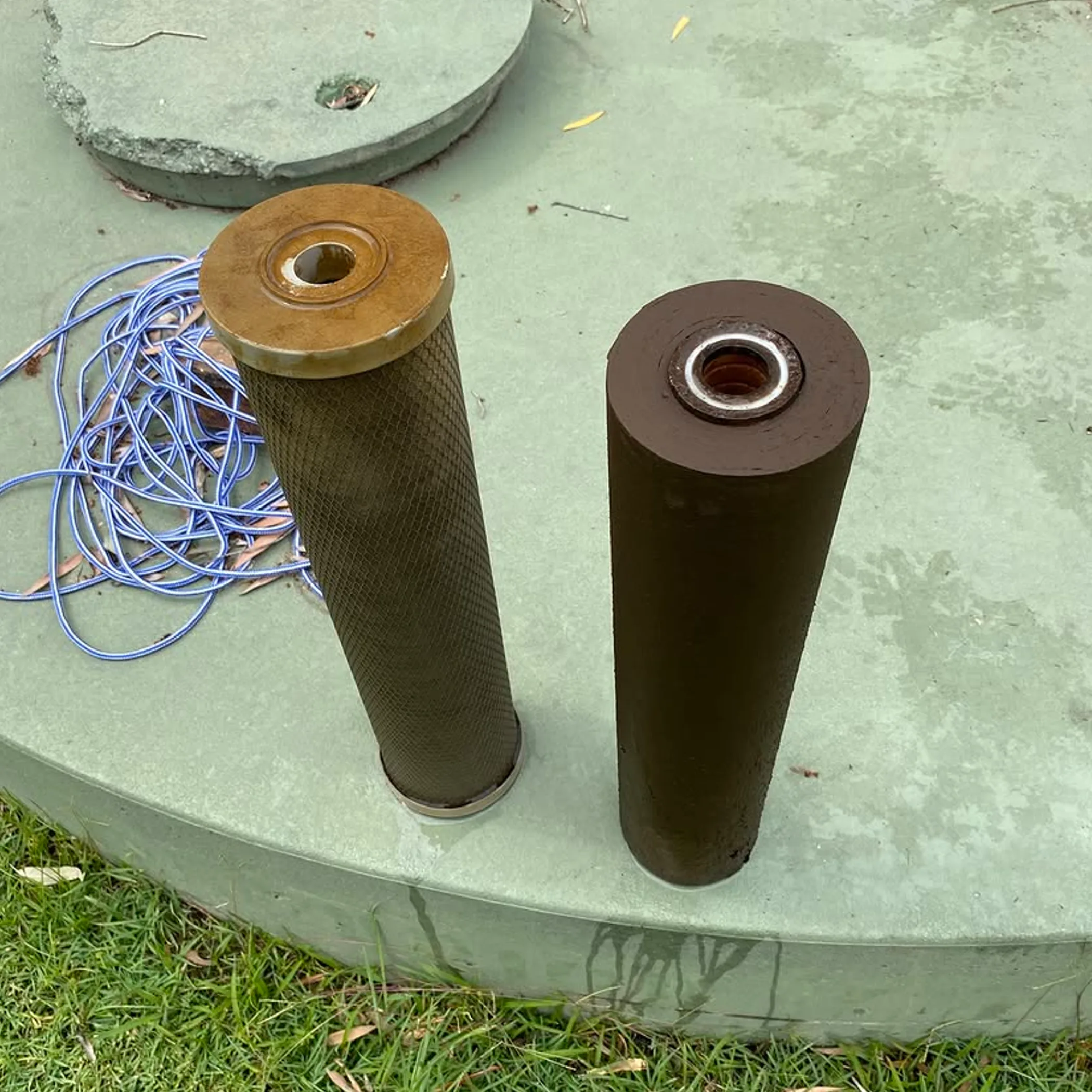
The NCC (National Construction Code) gives the overall framework for building, the Plumbing Code of Australia the essentials for plumbing. While the Australian Building Codes Board is responsible for the NCC, it is the state and territory authorities who see to its administration.
For a domestic system the principles are sound separation from the mains, good pipework, an overflow that is under control and, if plumbing is to be done, a plumber with the right licence. It is a matter of design as much as how big the tank is.
Why The Standards Exist
Most of these rules are to stop anything but clean water getting into the public network. A tank will pick up its share of dust, leaves, insects and bird droppings from the roof so filtration and maintenance are called for.
Where rainwater and mains are joined on the one property an air gap or other form of backflow prevention will be in order. Do not be tempted to use an off the cuff tee fitting to make the job look tidy; a change in pressure will send contaminated water the wrong way. With plumbing “near enough” is not good enough.
State And Territory
In the end it is the state and territory that put the national standards into effect and they may also have their own take on water restrictions, licences and new dwelling sustainability.
The following table is a useful place to begin, though do not put it in lieu of written confirmation from the authority, for project conditions and council policy have a way of changing.
| Location | Key issue to investigate | The practical question at hand |
|---|---|---|
| New South Wales | BASIX, the dictates of council, planning controls and plumbing approval | Will the BASIX certificate for the dwelling call for a tank or some other water-saving result? |
| Victoria | Matters of building permit, plumbing compliance and how the council will have it sited | Is an approval of some kind – building, plumbing or planning – in order for the connection or tank? |
| Queensland | Water restrictions, plumbing and what the local government has in mind | Any extra stormwater or water-efficiency controls on the property? |
| South Australia | Health guidance from the state, council controls and plumbing requirements | One must ask if the system as proposed is up to snuff for mains separation and indoor use. |
| Western Australia | Regional conditions and rules on water efficiency as well as local government approval | Are there any stipulations on location or connection from the water authority or council? |
| Australian Capital Territory | The pathways to get your planning, building and plumbing approved | A regulated renovation or building project would encompass the installation. |
| Northern Territory | Public-health and climate are factors for the local authority | Will the system stand up to protracted dry-season storage and the heavy rain of the wet season? |
| Tasmania | What is required by the local council in terms of building and plumbing | Does the proposal make allowance for where the tank is to go, access, frost and overflow? |
Compliance In New South Wales
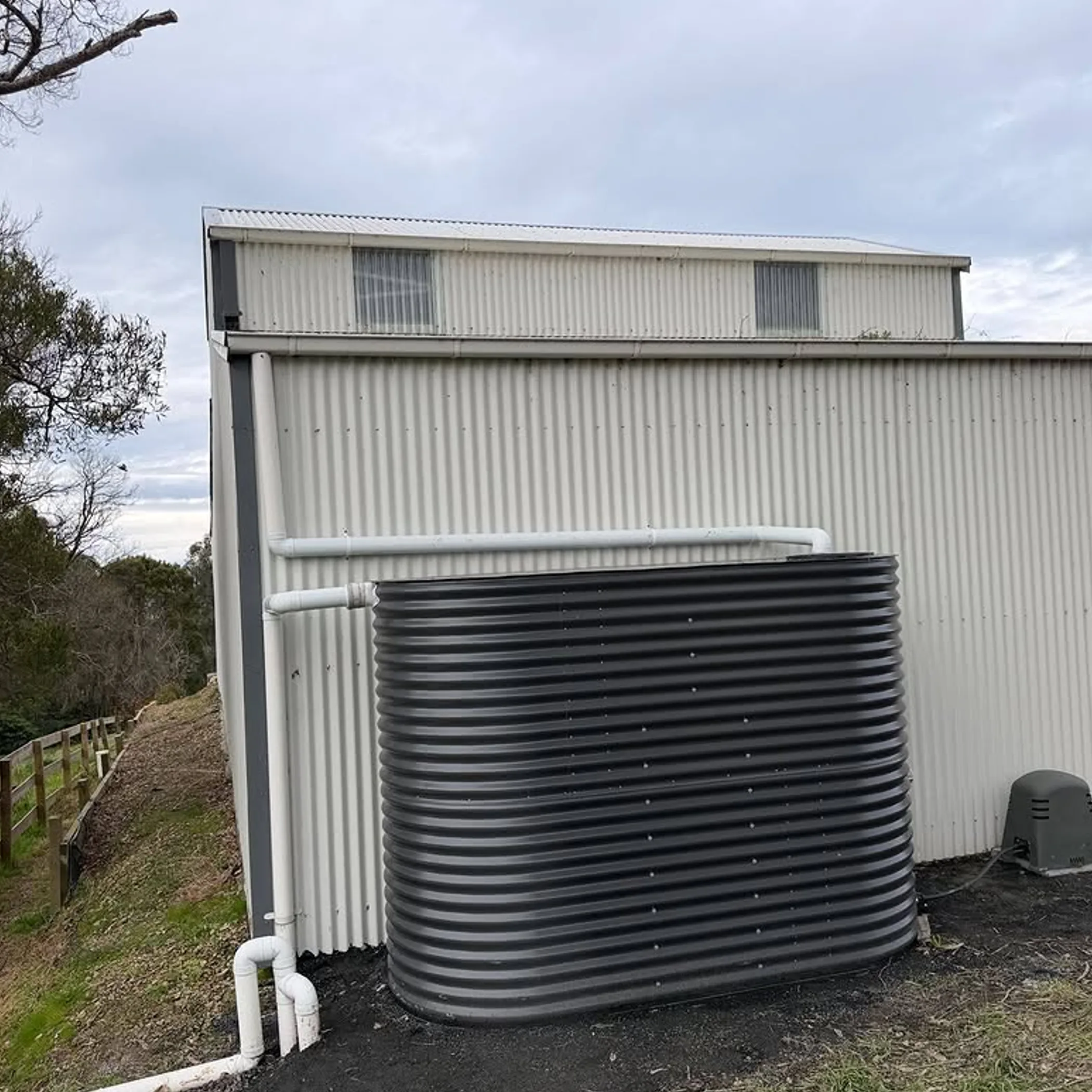
For a new residential build in NSW, one cannot overlook BASIX. The assessment of the dwelling and its water-efficiency rating will determine what is needed by way of a rainwater tank. While a tank might be called for, the certificate may also put down other things like efficient fixtures or stormwater management.
To be sure of the approval process, consult the NSW Planning Portal and the local council. All of it, from the capacity of the tank to the intended uses and overflow, has to be in keeping with what was approved; a change of design can be a problem for compliance.
Victoria, Queensland And South Australia
In Victoria the homeowner’s obligations regarding a rainwater tank are a function of the work involved, the plumbing and the position of the tank. A tank for the garden is not the same as one tied in to a washing machine or the toilets and the former is easier to deal with.
Councils in Queensland can have their own way of doing things. Given the climate, do not skimp on the overflow; a small pipe will not cope with a deluge from a short but hard storm. See for yourself where that water is going to end up before the first downpour of the season does.
Homeowners in South Australia would do well to check on state plumbing and council siting rules prior to making a connection to internal fixtures. On a regional property there is the matter of bushfire, power failure and pump access, and whether the system is to be the main or supplementary source.
Backflow And Plumbing
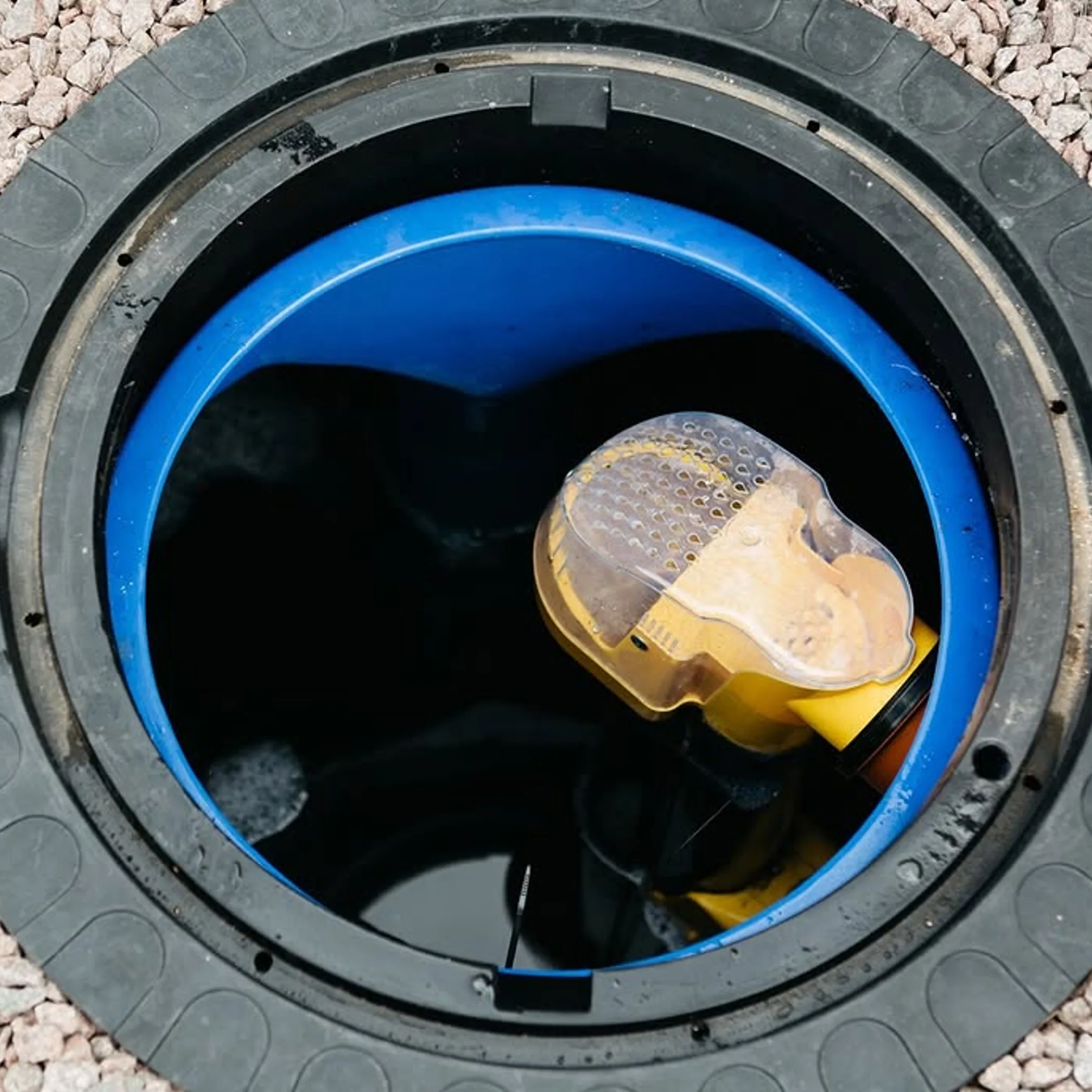
Any work linking the household plumbing to a rainwater tank should be done by a licensed plumber. This is of particular import when there is a mains water connection as the two have to be kept apart in an approved fashion.
Preventing backflow is no ornamentation, it is what keeps the public supply safe and stops any chance of contamination in the drinking-water pipes. The plumber will put in place whatever is compliant, be it a device, an air gap or a changeover system.
What A Licensed Connection Entails
Pipes should be clearly marked, isolation valves within reach, pump controls of the right sort and cross-connection ruled out. The plumber will also set you straight on which fixtures are on tank water and the procedure when the tank runs dry.
Have the plumber provide the documentation and maintenance info. Put a camera to any pipework before it is hidden behind a wall or under paving; you and your wallet will be grateful for it come a leak of unknown origin half a decade on.
When it comes to saving water, the size of the tank is not the only thing to consider. More to the point: can the system as a whole be put right and maintained?
Harvested Water
It is typical to see rainwater put to use in the laundry, for the toilet or to water the garden. Some systems are designed for kitchen taps and showers, but potable use is another matter and demands more in the way of risk management and treatment.
Do not be taken in by a label or a clear looking tank; transparency is no guarantee of cleanliness. Heed the health advice of the state and your system’s instructions.
Indoor Use
Provided the quality is fit for purpose and the plumbing is in order, a washing machine can run off rainwater. But then there are microorganisms and sediment to contend with so the system calls for filters, a backup and some regular attention.
Drinking, cooking or brushing one’s teeth entails a higher level of exposure than the simple act of flushing a toilet. Yet it is incumbent on occupants to be aware of which taps are fed by harvested water and for the pipes to be suitably protected and put under label.
Water Quality And Maintenance

There is dust, leaves, animal debris and pollutants in the air that will find their way onto roof catchment surfaces. A first-flush diverter, screens, gutters and downpipes will limit what gets into the tank but they are no substitute for maintenance.
One should make periodic inspection of the tank lid, inlet, pump, overflow and the like, and give it more of an eye before the wet season or in the wake of a storm. The Top End will put an overflow system through its paces in the wet; in Adelaide you may find the mozzies have made of any unsealed opening an invitation while long dry spells let material settle at the bottom of the tank.
- Ensure the tank is sealed and mosquito-proof.
- Do not let sludge or leaves accumulate.
- After a heavy rain, look over the first-flush components and filters.
- Make sure there is no ambiguity as to which taps are potable and which are not.
- Should contamination be suspected or if the water is to be drunk, have it tested.
Approval And Installation Checklist
Some thought should be given to rainfall patterns, not just the hope of a storm seeing the household through, before putting in an order for equipment. Have the tank position, pipe routes, catchment area, pump and overflow path all mapped out.
A 10,000-litre capacity is only that when the tank is full; what is actually available for use is a function of the low-level reserve, evaporation, demand, how much the first-flush diverts and so forth. Put a large tank on a small catchment and it will stay empty to your frustration; a small one under a broad roof will not take long to run over.
- Find out from the council if you need approval.
- See to any constraints of a planning, building, heritage, bushfire or flood nature.
- For a new home, BASIX or similar sustainability requirements bear reviewing.
- Any connection to household plumbing should be left to a licensed plumber.
- Put in place backflow protection and separate the mains water.
- Get clarity on what uses are allowed and what is expected in terms of quality.
- Retain all the plans, warranties and certificates.
Then there are the logistics of installation. The delivery truck has to have safe access and the plumber room to get at the pipework and pumps; in some of the tighter suburban blocks that can be more of an issue than the tank itself. While a straightforward job can be done in short order, you can count on excavation, electrical work, a recalcitrant drain or the weather to put time on it.
Expectation Versus Reality
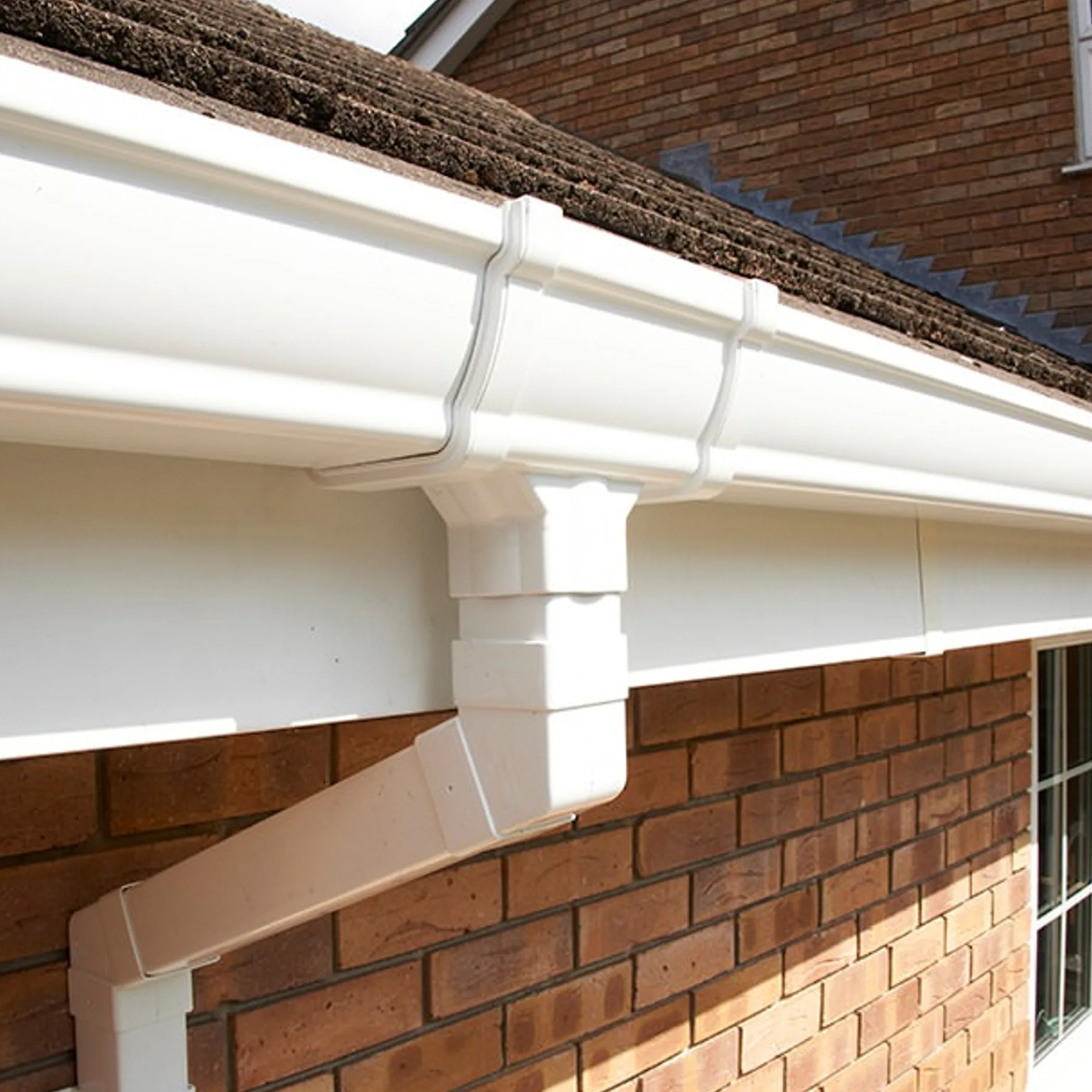
It is easy to think a rainwater tank will see to every water requirement of the house. In fact a properly looked after system will do well to cut the demand on the mains for certain things, though it is subject to the vagaries of rainfall, storage and how the household behaves.
Bigger is not invariably better. It does mean more water in store but also more in the way of structural loads, cost to replace, access problems and the like to gain approval for. Capacity should be commensurate with the catchment and what is needed.
Frequently Asked Questions
Is It Illegal To Harvest Rainwater?
Not in Australia as a rule. One will encounter restrictions over where a tank is sited, public-health matters, the type of plumbing and local approval. Consult the council and state authority prior to installation.
Can You Drink Rainwater Straight From The Sky?
To suppose untreated rainwater is safe would be unwise. What comes off a roof is apt to have its share of microorganisms, chemicals and other contaminants. If the water is to be potable the system must be designed, treated and maintained in accordance with health advice and tested.
Can Washing Machines Use Rainwater?
They can, provided the water is of a suitable quality and the installation is up to code. A licensed plumber should make the connection and see that there is no cross-connection with the mains.
What Are Ten Disadvantages Of Harvesting Rainwater?
You have the initial outlay for equipment, the matter of maintenance, sediment, pump electricity, space and the risk of poor water quality. Add to that the possibility of having to get approval, repair bills and limited supply in dry times or overflow in a hard storm. They are mostly things to be dealt with, but ignoring them is the surest way to be taken by surprise.
Are Rainwater Tanks Compulsory In Australia?
There is no national edict to that effect. But a new development or home might be held to a tank or some other water-saving outcome by the state or local rules. Have a look at the approved plans and BASIX if it applies.
Make Compliance Part Of The Plan
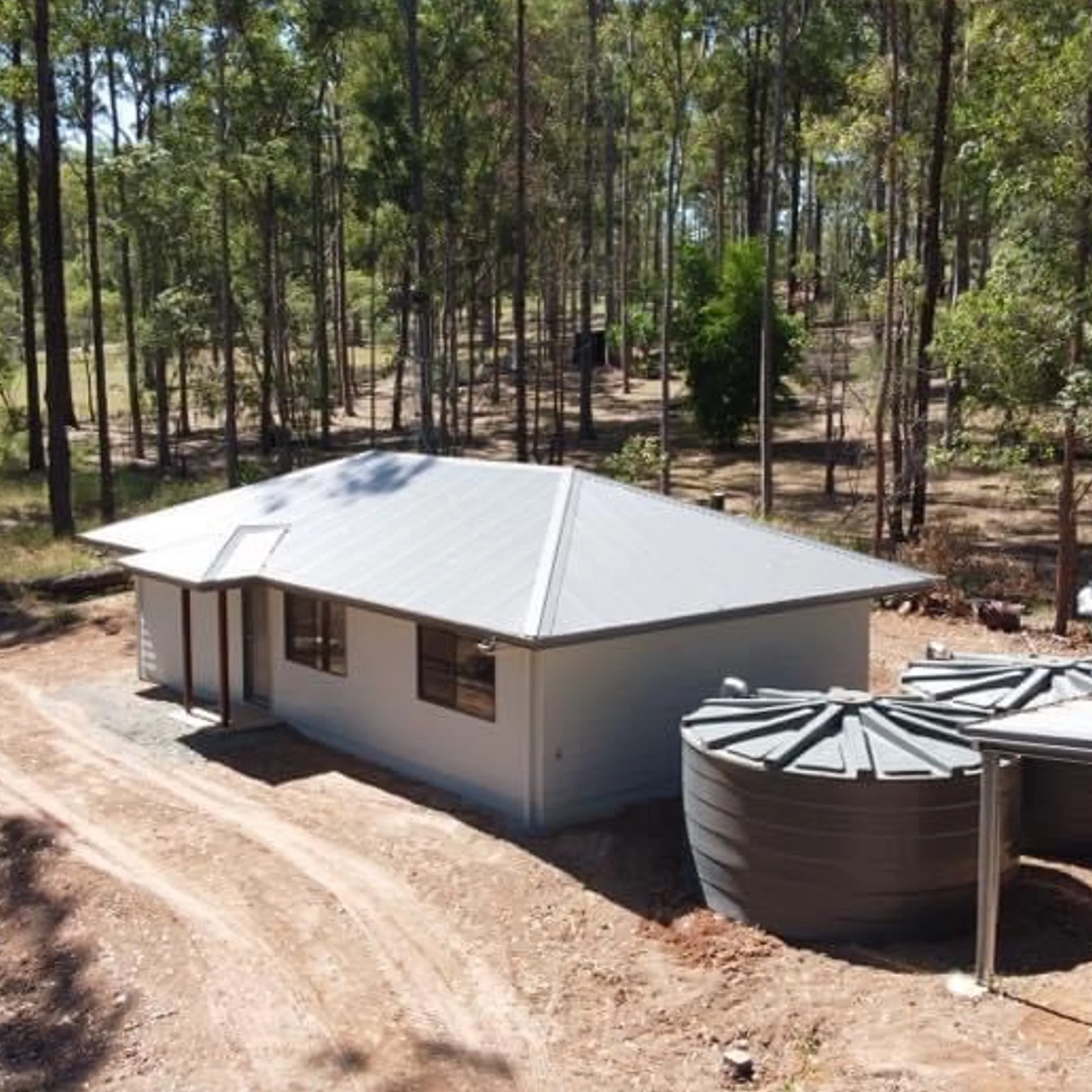
The laws governing rainwater harvesting across Australia are not onerous if the project is approached in the correct sequence: obtain approval, design the catchment and overflow, select a tank, engage a licensed plumber and put in place some ongoing maintenance to safeguard the mains supply.
YourHome water-efficiency guidance from the Australian Government, your state regulator and the council are good places to start for technical direction. Rules are prone to change so consider this article a working map, not a permit.
In the end a rainwater tank is no panacea for drought. When it is done right it is a sensible arrangement for the household to put aside a reserve from the rainfall, take some of the load off the mains and stand up to whatever the next big storm brings.
{ “@context”: “https://schema.org”, “@type”: “FAQPage”, “mainEntity”: [ { “@type”: “Question”, “name”: “Is It Illegal To Harvest Rainwater?”, “acceptedAnswer”: { “@type”: “Answer”, “text”: “Not in Australia as a rule. One will encounter restrictions over where a tank is sited, public-health matters, the type of plumbing and local approval. Consult the council and state authority prior to installation.” } }, { “@type”: “Question”, “name”: “Can You Drink Rainwater Straight From The Sky?”, “acceptedAnswer”: { “@type”: “Answer”, “text”: “To suppose untreated rainwater is safe would be unwise. What comes off a roof is apt to have its share of microorganisms, chemicals and other contaminants. If the water is to be potable the system must be designed, treated and maintained in accordance with health advice and tested.” } }, { “@type”: “Question”, “name”: “Can Washing Machines Use Rainwater?”, “acceptedAnswer”: { “@type”: “Answer”, “text”: “They can, provided the water is of a suitable quality and the installation is up to code. A licensed plumber should make the connection and see that there is no cross-connection with the mains.” } }, { “@type”: “Question”, “name”: “What Are Ten Disadvantages Of Harvesting Rainwater?”, “acceptedAnswer”: { “@type”: “Answer”, “text”: “You have the initial outlay for equipment, the matter of maintenance, sediment, pump electricity, space and the risk of poor water quality. Add to that the possibility of having to get approval, repair bills and limited supply in dry times or overflow in a hard storm. They are mostly things to be dealt with, but ignoring them is the surest way to be taken by surprise.” } }, { “@type”: “Question”, “name”: “Are Rainwater Tanks Compulsory In Australia?”, “acceptedAnswer”: { “@type”: “Answer”, “text”: “There is no national edict to that effect. But a new development or home might be held to a tank or some other water-saving outcome by the state or local rules. Have a look at the approved plans and BASIX if it applies.” } } ] }