There are three things to decide at the outset of any Australian wine trip 2026: which one or two wine regions to make your own, if you are going to put a guided tour in the diary or do your own driving, and to have cellar door tastings sorted before you go. Do that and you will be left with the matter of transport and timing, and to have the sense to call it a day before palate fatigue has rendered every shiraz a purple blur.
I am Charlotte Redfern. After all the years I have spent planning travel in South Australia and further afield, I can tell you that wine trips have a way of going pear-shaped when one is over ambitious. A well planned affair for 2026 ought to be organised without being inflexible, and indulgent but not as tightly packed as sardines; you want to be practical so there is no dispute over who is in fit state to drive back to town come evening.
Quick Start
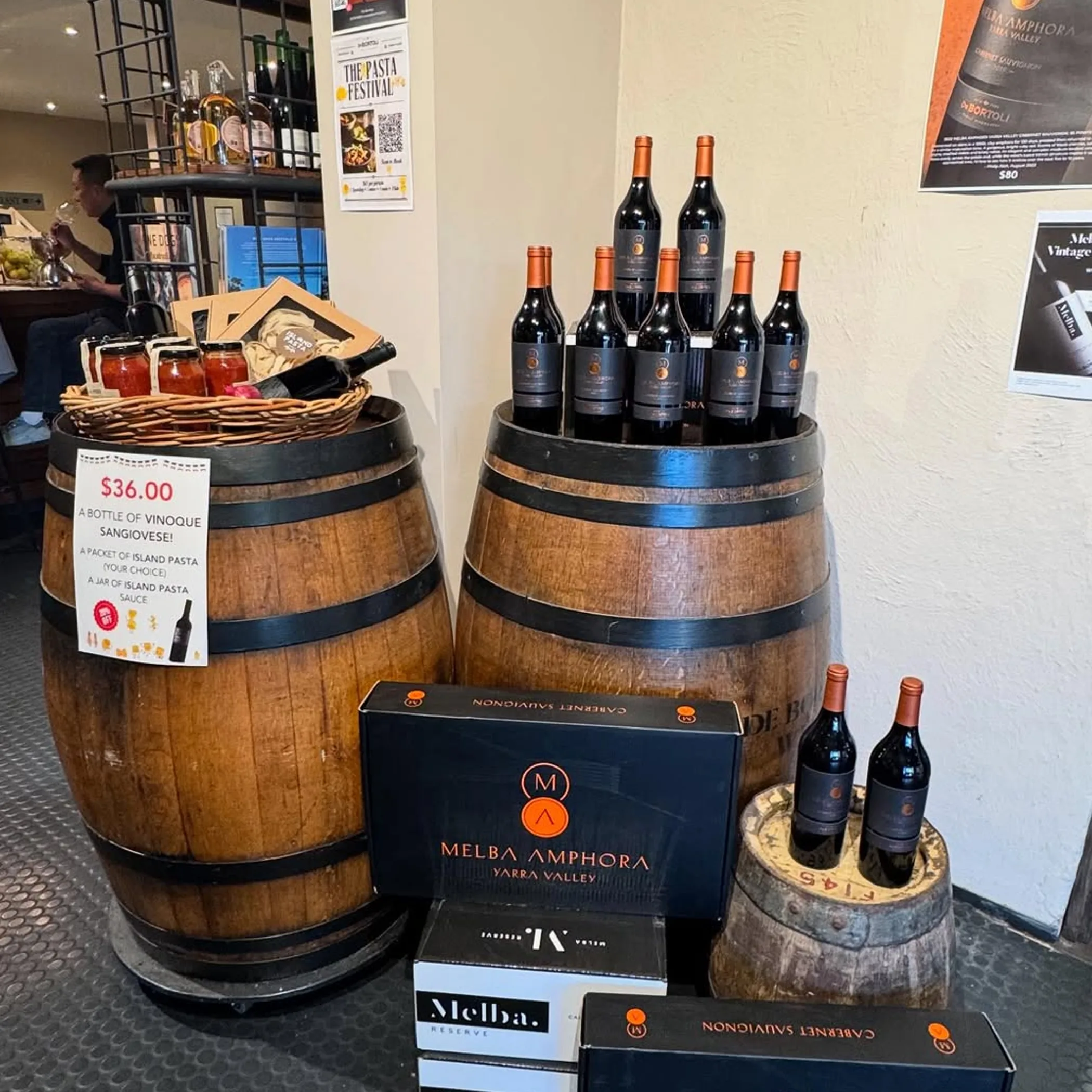
Make distance, the season and the need to book early the foundation of your plans. The most renowned wine weekend is not necessarily the best; what you want is something that accords with your budget and how much country road driving you can stand after a lengthy lunch at the vineyard.
Two nearby regions over the course of a week or just the one for a weekend will do for most. My rule is to have better appointments and longer lunches by visiting fewer wineries, it keeps the chaos down.
Where People Go Wrong
You would be wrong to think you can simply rock up to any old place when it comes to an Australian wine tour. In certain parts of the country, particularly at harvest time or on a weekend, you will find that a booking at the cellar door is hardly optional. Some of the smaller outfits have set times for their sessions and won’t take walk-ins, let alone have room for you.
Then there is the matter of underestimating how long a drive takes. Forty-five kilometres in a wine region is not like doing the same on a city motorway. One is apt to put in a stop for a photo or a bakery that seems more pressing than one’s schedule, or be held up by a tractor.
Picking A Region
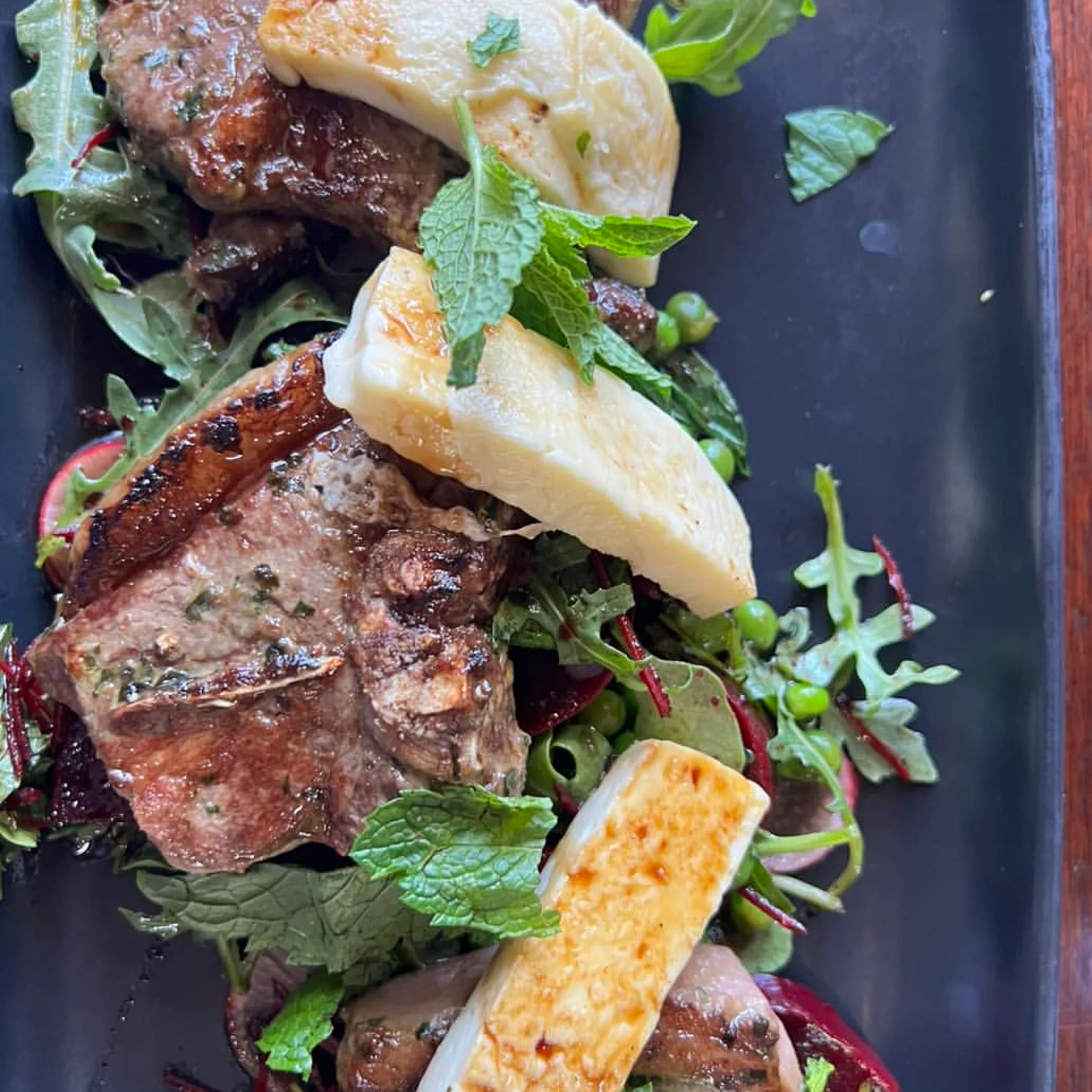
It is a question of where you are coming from and whether you are in the mood for a bit of luxury, the unpretentious charm of the country or a road-trip of sorts. You will see lists that would have you believe there is a “best” in Australia but there isn’t.
When you have flown in to Sydney, Melbourne or Adelaide, sticking to the wine country on your doorstep is easier. It is of more consequence than any bragging rights once you are on your second tasting flight.
Barossa And Clare
For a trip in South Australia the Barossa Valley is the obvious headline act. At 70 kilometres from Adelaide it is an hour in the car under normal circumstances, give or take a few leisurely stops or the weekend traffic. You will find the big names and history here along with good food and a simple enough itinerary for 2026.
People are right to put Seppeltsfield at the top of their list for the estate experience and the heritage buildings. The Epicurean Way also makes for a nice road-trip structure with its routes in the vicinity.
Clare Valley is of a different character, more spread out and gentle. From Adelaide figure on 2 hours each way by car, not the fantasy numbers one might use in booking a lunch. It is for the traveller with a taste for riesling and a scenic drive and perhaps some cycling of the wine trail, and a quiet sort of excellence.
McLaren Vale
Sitting some 45 kilometres to the south of Adelaide, McLaren Vale is one of the less demanding wine tours on offer. With the traffic cooperating it is 45 to 60 minutes in the car. A good option for a couple wanting a coastal vineyard lunch or anyone who does not fancy long hauls between wineries.
Do not be fooled by the map into thinking it is all compact; you can lose half a day to a beach detour and lunch in between. But with only a day to spare it is a safe bet as the logistics are accommodating.
Yarra And Hunter
From Melbourne the Yarra Valley is where you will be heading for your wine tour. Factor in anything from an hour to an hour and a half either side depending on your location in the city. For the traveller with an eye for a polished day tour and the cooler-climate aesthetic, it is a convenient extra to put on a Melbourne itinerary.
Then there is the Hunter Valley. One would be hard pressed to find a better wine excursion from Sydney than that. Under normal circumstances you are looking at a 2 to 2.5 hour drive from the centre of the city, more so on a holiday weekend. It is what you want in New South Wales if a proper wine break is in order, with no shortage of tours or where to put your head at night.
| Region | Nearest City | Realistic Travel Time | Best For | Watch Outs |
| Barossa Valley | Adelaide | An hour or so | The iconic wineries, first-timers and long weekends | Bookings go quickly on a busy weekend |
| McLaren Vale | Adelaide | 45-60 min | A day out for foodies, or as a coastal add-on | You can overbook your day here |
| Clare Valley | Adelaide | In the region of 2 hours | Cycling and a slower way of doing things for Riesling devotees | Put in an overnight to make the drive worthwhile |
| Yarra Valley | Melbourne | 1 to 1.5 hours | Guided tastings, something to add to a city break | Getting out of Melbourne in traffic |
| Hunter Valley | Sydney | 2 to 2.5 hours | For a broad selection of wineries and a weekend stay | The return leg will be protracted on a day trip |
Pick Your Season
Whether it is the price, the crowds or the contents of your glass, timing is all. You may be after the harvest or a more relaxed outing with some leeway; either way the season dictates the wine tour.
In the south many will tell you the autumn harvest is the sweet spot. The vineyards are still green from summer and the cellar doors are animated with the feeling that something is going on. The rub is that the rest of the world is of the same mind.
Harvest, Festivals And Weather
Take Barossa Valley: March through May is the preferred window for most, the vintage and early autumn lending an energy to the place without the high summer heat. Spring is fine too for milder days and to avoid the harvest throngs. But an inland region in summer is no picnic; between the bushfire danger and the cost of a room, hot days can turn a wine trail into an ordeal. Winter has its appeal in the red wine country for a fireplace and unhurried lunch, though do not expect full sessions from the smaller operators midweek.
Should you have your sights set on any of the 2026 wine festivals in Australia, have a word with the regional event calendars before you book your flights and a room. They are worth it but they inflate the cost of a tour and leave little availability, making any last-minute arrangements a fool’s errand.
And for your own safety, a self-drive wine tour Australia is best preceded by a look at the Bureau of Meteorology for any warnings of fire or a heatwave. On a country road or when you have outdoor tastings planned, one does not want to be caught unawares by a change in conditions.
Transport And Budget
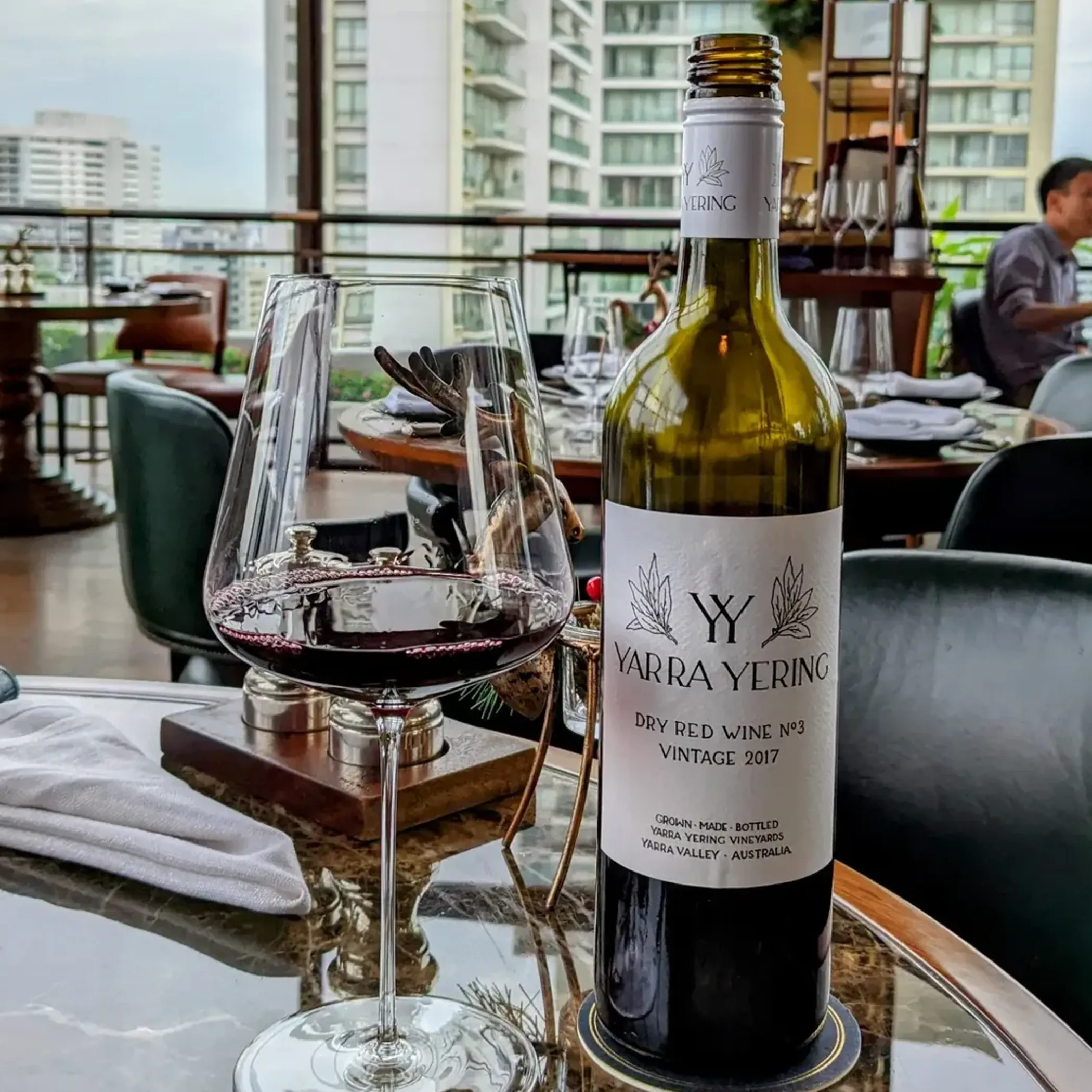
It is not only the tastings and the room you have to budget for. There are transfers, lunches and the odd bottle you did not mean to put in the trolley. Then there is the matter of an excellent paired tasting which will put you to less expense than three average ones.
Charlotte Redfern would have you sort out transport first as it determines how the day goes. You can have an affordable region until you come to the point of who is to be the driver.
Self-Drive Or Go Guided
There is a freedom to be had in the McLaren Vale, Barossa or Clare Valley when you are behind the wheel. Confident drivers and couples content with a spit tasting rather than every pour will find it suits them, as will a group with a designated driver in good humour about it. Do not be disingenuous; leaving it to “work itself out” is a recipe for poor judgement.
With a guided option the stress is taken off and someone else is seeing to the routing and appointments. You could start with Fine Vintage, WineTraveler, Experience SA, GetYourGuide or WineTravelGuides to name a few, though inclusions are not uniform and you should read the small print. Some cover lunch and tasting fees, some do not.
A private charter is for those wanting to splurge, four or more in a party. When you split the daily rate it can come in at a premium to a small-group tour.
What To Expect Cost-Wise
Organising your own day in the region with a modest lunch and tasting fees will set you back in the order of AUD 120-250 per head, accommodation aside. A guided group tour is more like AUD 180 to 350. As for a private charter, figure on AUD 600 to 1,200 for a driver and vehicle for the day.
It is in the accommodation that one’s budget has a way of being exceeded. For a weekend in the regions you can expect to put down AUD 180 or so for a no frills room, but the more upmarket vineyard properties will be in excess of AUD 450 a night. Add in a festival or harvest weekend and the cost escalates further.
Book The Non-Negotiables
A prudent traveller will have the essentials in hand before anything else: where to stay, how to get there, your key tastings and a good meal. The rest is flexible. Otherwise you could find yourself on holiday going round in circles in car parks and on the phone to cellar doors to see who has a table left at 3.15 pm.
Premium winery sessions and set-menu lunches are particularly hard to come by at the last minute; the more you want to curate the experience, the less chance there is of it being open to you.
What To Put In Stone Early
- For any long weekends, festivals or the harvest you should have your accommodation sorted.
- The same goes for transport (assuming there is not a driver in the party),
- Two or three must-do cellar door visits a day,
- A reservation for a paired tasting or vineyard lunch,
- And any special old-vintage or blending experiences.
Parking is as a rule unproblematic in the city but do not count on it being at your doorstep. Some estates mean a longer walk from the car park to the tasting room over gravel or uneven ground. If accessibility is an issue, put in an inquiry rather than trust what the photos show.
Have A Realistic Itinerary
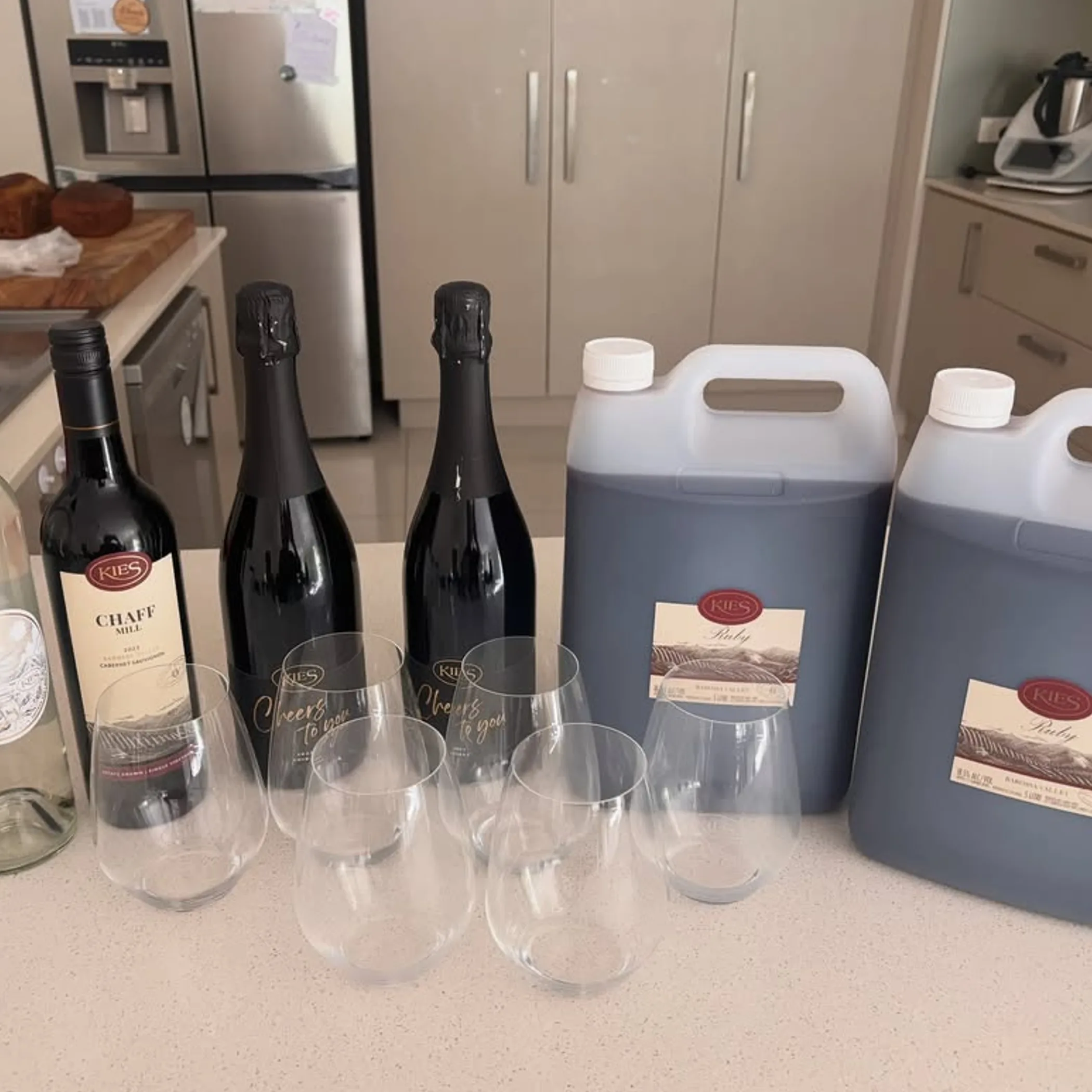
There is no call for military precision on a wine trip. Two to four wineries will do for most, contingent on the length of the tasting and how far you have to go. Go beyond that and it is just box-ticking, and the whole affair will taste as flat as a pancake. You may think six wineries looks good on paper but after the fourth one your palate fatigue has had enough and your notes are meaningless.
One Day, Three Days, Seven Days
With only a day to spare, make for McLaren Vale from Adelaide or the Yarra Valley from Melbourne. They are far less of an ordeal than putting in a long day in the Hunter from Sydney and all the windscreen time that entails.
Barossa Valley is an easy option for a long weekend. Get in on Friday, have a couple of tastings and a decent lunch on Saturday, then a leisurely stop on Sunday before the return to Adelaide. That makes for a sensible Barossa Valley itinerary 2026 with none of the rush.
Seven days is ample for a road trip through South Australia: Adelaide to McLaren Vale, on to Barossa and Clare Valleys and back. The drive times are reasonable, there is plenty to choose from in the way of lodging and the variety of wines is engaging.
Taste Better, Not More
Observe some good etiquette and the day will run easier for you and those on pour. There is no need to put on airs of a sommelier, simply be punctual, ask the right questions and know when to stop. As Charlotte Redfern would tell you, you cannot put off palate fatigue, it comes sooner than you think and lovely wines start to merge if you do not moderate your pace.
How Many Wineries
The ideal is two or three and a lunch. Four is fine if they are nearby and one of them brief. Any more is for the die-hard enthusiast or someone on a well-organised guided tour.
And use the spit bucket. Whether you are behind the wheel or have a string of appointments and wish to have your tastebuds for lunch, they are there for a reason. It is not about being stiff, it is to be safe and enjoy the wine.
Make Room For Food
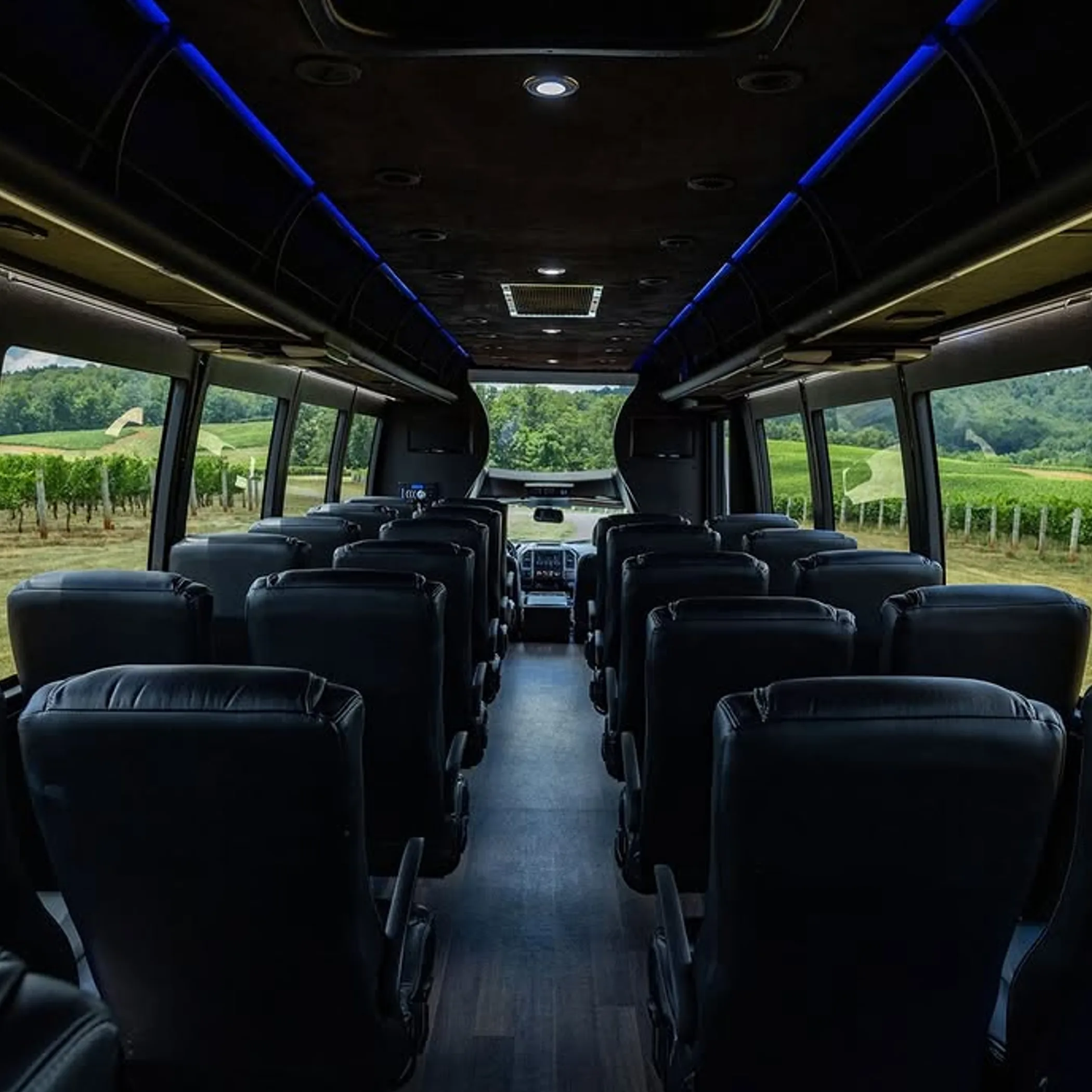
An overambitious plan can be put right with a solid vineyard lunch. It will reset the palate and put the brakes on the day so nobody is feral by the afternoon. You do not have to be fancy with a pairing to make it worth while. A considered lunch is more pleasurable than another hurried slot at the cellar door after 3.30 pm.
Lunch Planning Tips
When planning, book for mid-day and do not pack the hours around it. At a big estate a set-menu tasting can take two hours. Book lunch for 1.00 pm and do not be under the impression you can saunter into a winery at 2.15 pm and look the part. For those who put a high value on their food, the Barossa Valley and McLaren Vale are hard to beat. Then there is Hunter Valley with its wide array of restaurants and winery dining. Clare Valley is superb in its own right, yet being a more dispersed region one has to be mindful of logistics.
Stay Safe And Sensible

One may find Australian wine regions easy enough to get around, but do not let that make you casual about legalities or common sense. The drink-driving laws are no joke and the roads are narrow; after a long day in the country it is not the time for any of that. It is not as alluring as a rosé in the sun of some courtyard, perhaps, but this is what makes for an enjoyable trip. A roadside breath test and the cost of the lesson are not what one wants to recount from the holiday.
Legal, Access And Safety Notes
Make sure there is a designated driver in your party from the word go, or go with a guided tour if you intend to have a drink. Do not leave such decisions until you are at your second stop. You will encounter stretches of regional road with poor mobile reception, little lighting and wildlife come dusk.
As for accessibility, modern tasting rooms are a world apart from the old stone buildings and gravel paths. Put in a call if you require close parking or step-free access and the like. Cancellation policies should be reviewed too; a bit of weather or high fire danger can put paid to a well laid out day.
I can see why people put in the research on American wine destinations when looking at a long-haul international trip, but Australia is very practical for a 2026 wine holiday, offering variety without the travel distances between the major cities and wine regions.
FAQ
The sort of things one puts to paper in order to arrange a wine trip and not end up with a hangover over a spreadsheet.
What Is The Best Wine Tour In Australia?
You will not find a national winner on the books since “best” is a matter of budget, where you are coming from and how you like to travel. The likes of Barossa Valley (from Adelaide), Yarra Valley (Melbourne) and Hunter Valley (Sydney) are popular for their convenience.
What Is The Best Month To Visit Barossa Valley?
Many would say March through May, when the vintage atmosphere is tempered by milder autumnal conditions. Spring is equally good for the weather and to avoid the harvest rush.
What Is The Best Time Of Year For A Wine Tour?
The autumn harvest has a certain energy to it, the classic choice. But spring is better for a more measured pace and mildness. Inland regions run hot in summer; winter is for when you want to put fewer people in your way and have a leisurely lunch with a red.
Which Wine Region In Australia Is Considered The Best?
There is no ranking for that. Barossa Valley is the flagship most would tell you, but the Hunter, Yarra, McLaren Vale and Clare are each to a different taste. Go with the region that fits your route rather than the one with the biggest name.
How Many Wineries Should I Visit In One Day?
Three is the ideal number if you factor in lunch, two to four is sensible. Anything more and you are filling in a checklist, not having a holiday, and your palate will be tired of it.
Final Trip Takeaway
A guide is only as good as the plan behind it. What separates a curated day from a bus timetable with pinot is having the time to put away a proper meal, be safe and savour what you have tasted.
In planning an Australian wine trip for 2026, keep it simple. Book the essentials and allow for the good surprises that tend to stick with you. Begin with a transport decision and a lunch booking in one region and work outwards.
- Pick a region for a weekend or a couple for the week
- Arrange for transport first if you are going to be drinking
- Get in early for the cellar door and lunch
- Two to four wineries a day is enough
- Before you set off, check on driving safety and the weather
Related reading: best American wine destinations.