The answer is straightforward when one puts together an Australian wine regions guide for 2026: to get a reliable picture of where you can taste well in Australia at present, make South Australia your focus for its scale and pedigree, head to Western Australia for Cabernet-Chardonnay of a certain calibre and a good deal of polish, go to Victoria or Tasmania for the finesse of cool climates, and New South Wales for what character and altitude will put in front of you. There is no point in the country’s best regions all vying to be the same.
Then there is this guide from me, Charlotte Redfern. You have no doubt put together a wine weekend with visions of long lunches and open roads, only to discover the cellar doors are closed at 4 pm and parking is not an option. I have written this so you can navigate the major regions and the grapes they do right, the logistics of it all and the things that tend to catch people unawares, and to see how to avoid being herded on to a bus with warm Pinot in hand like sardines.
What Has Changed Lately

An Australian wine guide 2026 should offer more than a roll call of the famous. One wants to see which regions are still up to the task and how wine tourism in Australia is in reality. The situation is plain to see: South Australia is the heavyweight in terms of production and standing, and the cool-climate regions are drawing in those who prefer a lower-alcohol balance and something of the site. Tasting fees have become de rigueur at the better cellar door venues and regional dining has taken on greater importance in recent years; as for booking in advance, more so than the average traveller would think. For some official context on the industry and its export conditions, the Australian Government has information worth looking at if you want to go beyond the brochure.
| Region | State | Best Known For | Travel Style |
| Barossa Valley | South Australia | Old vines, rich reds, Shiraz | An easy self-drive out of Adelaide |
| McLaren Vale | South Australia | Mediterranean and Grenache styles, Shiraz | A day trip, the beaches are close |
| Coonawarra | South Australia | Terra rossa and Cabernet Sauvignon | Put in an overnight |
| Clare Valley | South Australia | Riesling, Shiraz | For a weekend at a leisurely pace |
| Margaret River | Western Australia | Chardonnay, Cabernet Sauvignon | Allow 2-3 days minimum |
| Yarra Valley | Victoria | Sparkling, Pinot Noir and Chardonnay | Weekends are busy |
| Hunter Valley | New South Wales | Semillon and Shiraz | The classic short-break from Sydney |
| Tamar Valley | Tasmania | Sparkling, Chardonnay and Pinot Noir | Fits in with a longer loop of Tasmania |
Defining The Regions
It is useful to know why the 2026 Australian wine regions are put into groups before making any comparisons. A region is not simply a label. It is a matter of geography, soils, climate and the rules of geographic indication.
Put simply, terroir is what it is. In the Barossa Valley you have old vines and the warmth of the inland; in Margaret River the maritime climate is what gives you a structured Cabernet Sauvignon or a fine Chardonnay. Adding to this understanding, sommelier tasting notes can offer insight into how these unique conditions influence the final product. And the terra rossa in Coonawarra is not for show, it is the very thing that defines the style of the place.
On Climate, Soil And Style
Grape varieties are not going to act alike in every corner of the country. A Riesling from the Eden Valley will be of a more delicate and floral nature than the taut, age-worthy sort you find in Clare Valley. Tasmanian Pinot Noir has a racy, savoury quality to it, whereas the Mornington Peninsula will give you more in the way of texture and plush fruit.
Do not be fooled into thinking cool climate is cold. More often it is about slower ripening and acid retention, hence the detail in the glass and the reason these areas are prominent on any map of the wine regions in Australia.
Why South Australia Is First
For a first proper wine trip, most would do well to begin in South Australia. From Adelaide the distances are not onerous and the cellar door culture is in order. But if you have a single day, stick to the Barossa Valley or McLaren Vale. Those who attempt both will have wasted half the day in the car and the only thing they will recall is the last cheese board and the queue for the dunny.
Barossa And McLaren Vale
There is no mistaking what 2026 Barossa Valley wine is about: Shiraz comes first, with the sort of regional confidence that old vines, spice and dense fruit impart. A good wine will not be a rough as guts fruit bomb but will have some savoury detail to offset the richness. Grenache and Mataro are well in evidence, as are white wines of increasing merit.
Some 70 kilometres from Adelaide, the Barossa is an hour or an hour and 15 drive, more or less, contingent on your point of departure and the traffic. One can park without trouble for the most part, though it is another story at weekends or during events. Tasting fees run between AUD 10 and 30 per head and are frequently put back to you when you make a purchase.
McLaren Vale is more convenient from Adelaide and has a somewhat looser air to it; think sea breeze and olive groves in company with the wine. While Shiraz is still the main event, the warmth is ideal for Mediterranean types like Fiano, Vermentino, Nero d’Avola and Grenache. Put in an order for lunch with your tasting and the region will generally exceed expectations.
Clare, Coonawarra, And Adelaide Hills
For a white wine of serious ageing potential one goes to the Clare Valley for its Riesling, Australia’s benchmark style. It has the lime, the chalky acidity and white florals to justify being the headline act, even if the Shiraz is equally fine.
Coonawarra is a long way off and the logistics can catch one out; it is not the sort of place for a casual day out of Adelaide. Most would do better to make it an overnight or fit it into a Limestone Coast loop. The terra rossa gives Cabernet Sauvignon of note, with blackcurrant, mint and cedar and a fine tannin structure.
Then there is the Adelaide Hills for a swift cool-climate change of pace. Chardonnay, Pinot Noir, sparkling and Sauvignon Blanc are all up to standard. For the traveller in need of something lighter after a few heavyweight reds and who does not want to put in too many miles, the greener scenery is a bonus.
Western Australia Rewards Planning
You get some of the country’s most polished wines in Western Australia, but the traveller has to put in a little more effort. Distances are what they are and accommodation will be gone early if you are not on top of it. A hasty fly-in day trip is hardly doing the region any favours.
But to include Margaret River 2026 and Great Southern on a shortlist is sound thinking. They are prime regions for those who want their bottle accompanied by good food and nothing but precision and freshness.
Margaret River And Great Southern
The maritime climate in Margaret River keeps things in check so that the Cabernet and Chardonnay have ripeness and line to them instead of just heft. There is also some very good Shiraz and Sauvignon Blanc-Semillon. From Perth the drive is in the region of 3 hours, but with stops for a coffee or to see the beach you are looking at 3.5 to 4. If a single day is all you have, I would not trouble yourself. Two nights is the civilised minimum.
Great Southern is more of a spread over subregions with their own conditions. There is fine Riesling, Pinot Noir, Chardonnay and Shiraz to be had. It is not as glossy as Margaret River, can be more of a surprise and is for the type of traveller who minds a bit of road time and fewer people around.
Victoria Does Cool Climate Well
It is in Victoria that site-driven Australian wine tends to win over the drinker. Elevations and coastal influences across the state put it in good stead for a nuanced Pinot or Chardonnay.
In practice however, leave it to chance and you will find the weekend traffic maddening and the restaurants at the better wineries fully booked. Lovely on paper.
Yarra, Mornington, And Macedon
From Melbourne the Yarra Valley is easily reached and well known. First-timers and those with an appetite for food will find plenty of choice here in the way of Pinot Noir, Chardonnay and sparkling, some excellent Cabernet as well, and no great drive to get there.
On the Mornington Peninsula it is more compact and coastal. The Pinot and Chardonnay are front and centre and the food is usually good. The scenery is handsome enough. Do not be surprised to pay more for a room at the weekend.
Macedon Ranges is on the smaller and cooler side with taut Chardonnay and fragrant Pinot Noir. Not the place for blockbuster reds but a fine cellar door experience for those wanting delicacy and a lower key affair.
New South Wales Brings History
You will find some of Australia’s most venerable wine histories in New South Wales, and it shows in what is poured. There is plenty of diversity to be had here too, the warm valley floor being as different in style as a high country vineyard where you might think you are in another world.
For those making their way from Sydney the Hunter Valley is the natural place to begin. Or go to Orange for the altitude and cooler nights, not to mention fewer people; one could say it is the wiser option.
Hunter Valley And Orange
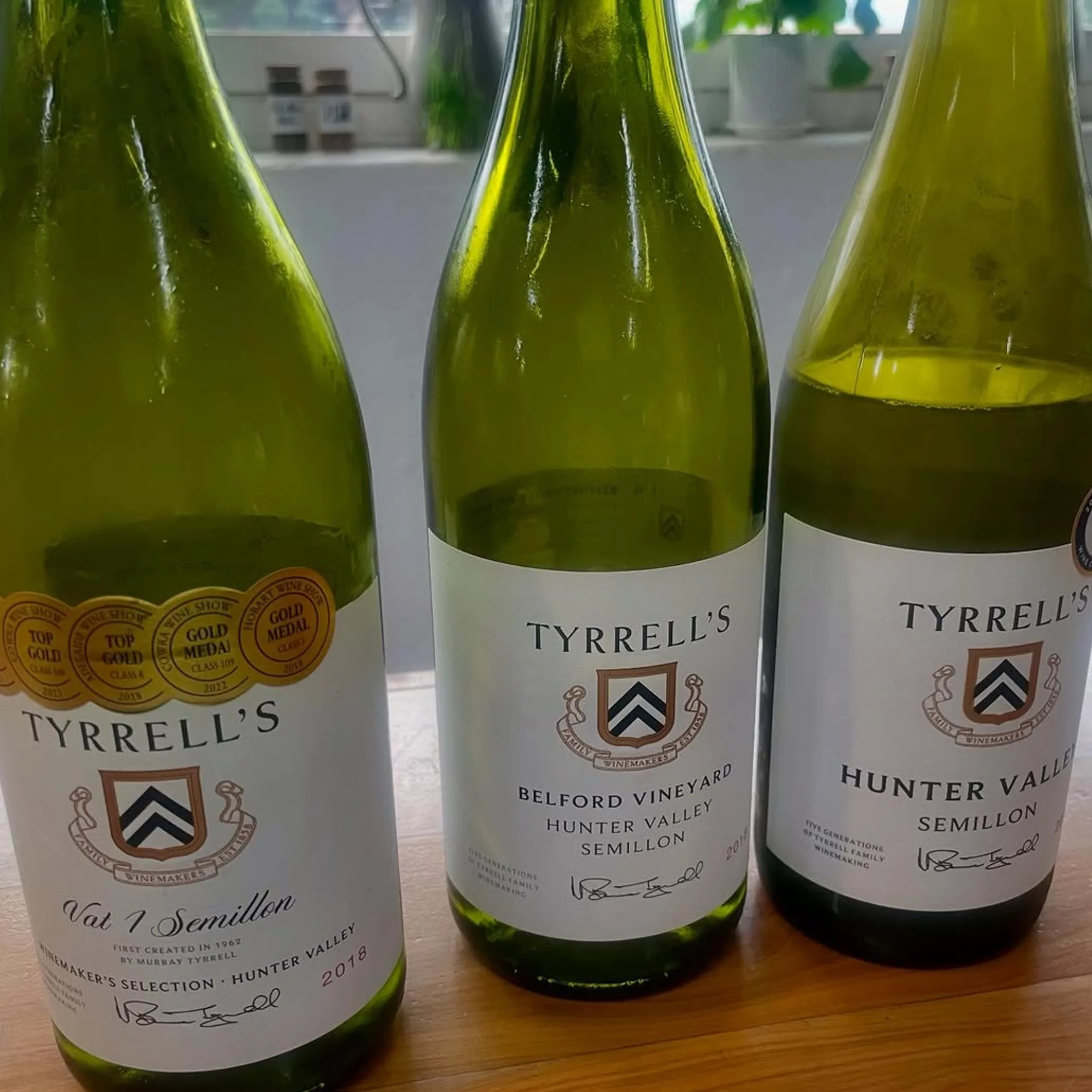
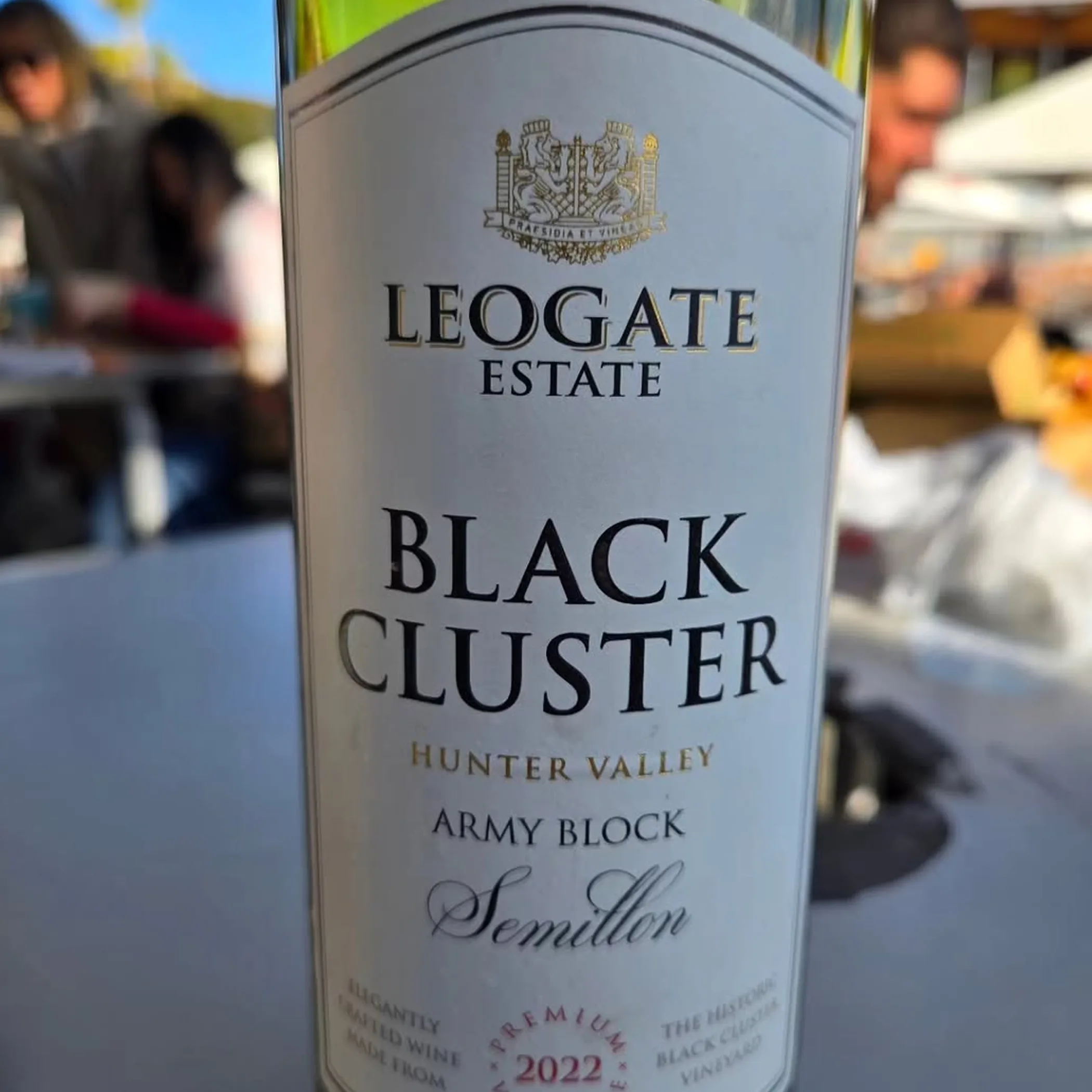
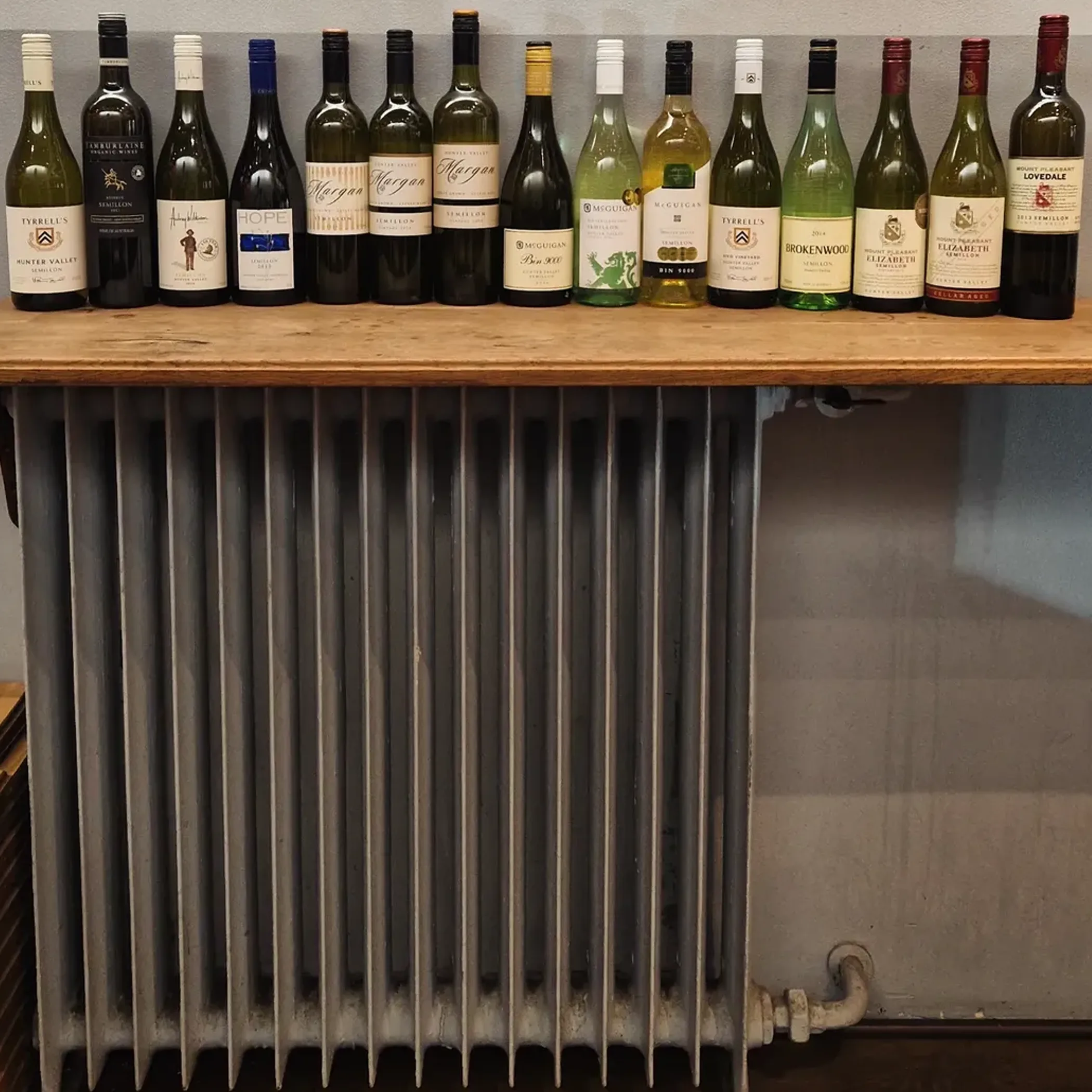
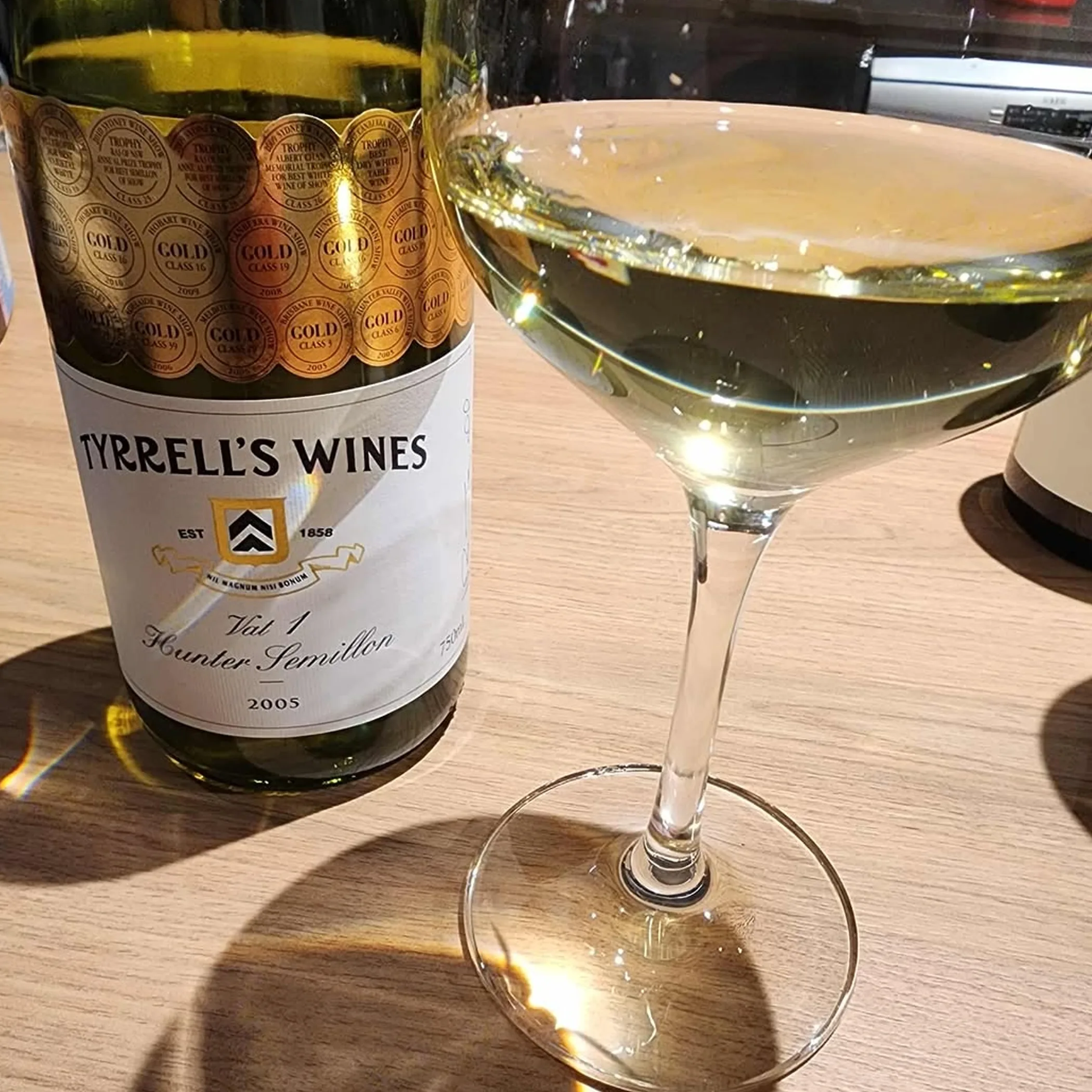
A Hunter Valley Semillon is as distinctive a style as you will put to your lips in the country. In its youth it can be sharp and light with a citrus edge, bordering on the severe. Put some time on it and there is toast and honey and a waxy sort of complexity that comes without the oak or heft. It has a way of defying expectation.
Then there is the Shiraz, which tends to be more savoury and earthy, medium-bodied even, than thick and jammy. Many a visitor is taken aback by it when they have come with an idea of the scale you get in South Australia. A good object lesson in why Australian wine is not to be generalised.
In Orange the altitude is responsible for some fine Pinot Noir, Chardonnay and aromatic whites as well as Shiraz. One has to be mindful of the weather in a way you do not in the lower down regions. Do not be put off by a benign forecast and fail to put on an extra layer. I have been known to put my trust in a sunny morning only to regret it come afternoon, a scarf no substitute for a decent jacket.
Tasmania Offers Fine Detail
Precision, acidity, structure: Tasmania and other such island regions are the epitome of these qualities and have earned the name. Getting there requires a measure of organisation though.
Tamar Valley And Beyond
Launceston is the handiest base from which to explore the Tamar Valley. You will come across a lot of Pinot Noir, Chardonnay, sparkling and the like. The cool conditions and long season of the terroir mean clarity is in evidence, not excess.
Further afield in the state the table wines are becoming more assured and the sparkling is top notch. They are wines to be patient with; given to air and food they will open up after an initial reserve.
Plan Better Tasting Days
There is no point in trying to run through five tastings before dark and then feigning shock at having missed them. Distances may seem small on paper but winding roads and a lunch to savour put a damper on that.
It is better to plan your day around the distance and how much tannin you can stand before the meal. The tips one gets for the cellar doors in Australia are not exactly glamorous but they are what makes for a good weekend. Take Charlotte Redfern’s advice and have three tastings and a real meal rather than six and a bag of chips from the servo. It is more economical and you will not have to pick out a roadside gum tree for everyone to meet back at.
Timing, Costs, And Common Mistakes
Autumn and spring see the best of everything from road conditions to vineyard life; vintage is more of a spectacle if also more of a crowd. At the better venues a tasting will set you back between AUD 10 and 35, more for something premium and seated.
People are caught napping by the regional driving, spit-bucket protocol, restaurant booking requirements in hot spots and the fact service does not run late. As for getting about, a self-drive is fine so long as someone refrains from drinking, though on a heavy day a guide or driver is preferable.
Wine touring is not as risky as some of the bush tracks, but do not let overconfidence or fatigue get the better of you. Rural roads are dark and narrow after sunset and full of wildlife. When you have been at the glass all day, do not make a guesswork of the drive home.
Choose Wines With Confidence

One can feel a certain awkwardness at the cellar door when it comes to buying and you are not entirely sure of your taste. One does not have to be swayed by a fancy label or buy in a panic; the way to go is by region and style.
Sommelier tasting notes and an aptitude for food pairing are of some use here, without being pretentious about it. There is no call to be fluent in blackberries-and-pencil-shavings lingo. Simply make an assessment as to if the wine is rich or lean, has a savoury or fruity side, and what you will be having with it.
Signature Styles And Pairings
| Grape Variety | Region Match | Useral Style | Food Pairing |
| Shiraz | Barossa Valley, Hunter Valley, McLaren Vale | Savoury and medium-bodied on up to rich and spicy | Lamb, mushroom dishes, barbecued beef |
| Cabernet Sauvignon | Coonawarra, Margaret River | A structured, dark-fruited affair with an herbaceous tinge | Steak, roast beef, an aged cheddar |
| Riesling | Clare and Eden Valleys, Great Southern | High-acid, zesty and floral, with age in it | Goat’s cheese, seafood, anything with spice |
| Pinot Noir | Tasmania, Yarra Valley, Mornington Peninsula | Fine-boned, bright and savoury | Duck, charcuterie, salmon |
| Chardonnay | Adelaide Hills, Tasmania, Margaret River | Tight and citrusy or more textural and layered | Shellfish, creamy pasta, roast chicken |
Wine Australia, Laithwaites, The Wine Society, Wine-Searcher or Tourism Australia can be put to work for availability and comparison. But do not take them as gospel. They are good starting tools for a bit of producer discovery and style hints, yet nothing beats tasting your way through a region and making note of the patterns yourself.
Use This Guide Well
Australia’s forte is contrast, and this 2026 guide to the wine regions makes that plain. You will not find Barossa Valley and Margaret River vying for the same thing, any more than Hunter and Tamar Valleys are. It is all in the variety.
South Australia for those after bold reds and heritage. Head west for a bit of polish and maritime balance. Victoria and Tasmania offer cool-climate elegance. New South Wales has much to offer in the way of deep roots and white wine of a singular character. Book in advance, pick your stops and factor in the drive. Let the wine be a surprise.
Frequently Asked Questions

Any traveller putting together a wine trip in Australia will have these questions. Guides have a habit of making things seem easier than they are.
Is there a PDF of the 2026 Australian Wine Regions Guide I can download?
Not one I can put my name to as official. In the absence of a master PDF, the resources from Wine Australia, the regional tourism sites and producer associations are preferable at present.
What would be the best regions in 2026?
You cannot go far wrong with Barossa Valley, McLaren Vale, Margaret River, Yarra and Mornington Peninsulas, Hunter and Clare Valleys, Coonawarra or Tasmania. Beyond that it is a matter of how much time is at your disposal and whether you are in the mood for a Shiraz, a Riesling, Cabernet, Chardonnay or Pinot.
Which state is the top wine producer?
By and large it is South Australia. Its export profile, volume of grape crush and preponderance of major regions put it in the lead, though the figures may differ from season to season.
For what are the various regions put forward?
To put it simply: Barossa and McLaren Vale for Shiraz (the latter also for Grenache), Coonawarra for its Cabernet, Clare and Eden for Riesling, Margaret River for Chardonnay and Cabernet, Yarra and Mornington for Pinot and Chardonnay, Hunter for Semillon and Shiraz, and in Tasmania you will find sparkling, Pinot and Chardonnay.
When should one make the visit?
The weather and vineyard activity in spring and autumn make them the safe option for tasting. Summer has a way of being hot and bushfire is a consideration in some parts. Winter is more of a quiet affair but then again, if you are inclined to putter about and have a cosy red in front of the fire it can be very rewarding.
{ “@context”: “https://schema.org”, “@type”: “FAQPage”, “mainEntity”: [ { “@type”: “Question”, “name”: “Is there a PDF of the 2026 Australian Wine Regions Guide I can download?”, “acceptedAnswer”: { “@type”: “Answer”, “text”: “Not one I can put my name to as official. In the absence of a master PDF, the resources from Wine Australia, the regional tourism sites and producer associations are preferable at present.” } }, { “@type”: “Question”, “name”: “What would be the best regions in 2026?”, “acceptedAnswer”: { “@type”: “Answer”, “text”: “You cannot go far wrong with Barossa Valley, McLaren Vale, Margaret River, Yarra and Mornington Peninsulas, Hunter and Clare Valleys, Coonawarra or Tasmania. Beyond that it is a matter of how much time is at your disposal and whether you are in the mood for a Shiraz, a Riesling, Cabernet, Chardonnay or Pinot.” } }, { “@type”: “Question”, “name”: “Which state is the top wine producer?”, “acceptedAnswer”: { “@type”: “Answer”, “text”: “By and large it is South Australia. Its export profile, volume of grape crush and preponderance of major regions put it in the lead, though the figures may differ from season to season.” } }, { “@type”: “Question”, “name”: “For what are the various regions put forward?”, “acceptedAnswer”: { “@type”: “Answer”, “text”: “To put it simply: Barossa and McLaren Vale for Shiraz (the latter also for Grenache), Coonawarra for its Cabernet, Clare and Eden for Riesling, Margaret River for Chardonnay and Cabernet, Yarra and Mornington for Pinot and Chardonnay, Hunter for Semillon and Shiraz, and in Tasmania you will find sparkling, Pinot and Chardonnay.” } }, { “@type”: “Question”, “name”: “When should one make the visit?”, “acceptedAnswer”: { “@type”: “Answer”, “text”: “The weather and vineyard activity in spring and autumn make them the safe option for tasting. Summer has a way of being hot and bushfire is a consideration in some parts. Winter is more of a quiet affair but then again, if you are inclined to putter about and have a cosy red in front of the fire it can be very rewarding.” } } ] }