There is a certain method to cosmetic tattooing called dark lip neutralisation. By way of pigment shades that are chosen with some care, it will put right any brown, purple, blue or grey tones you do not want in your lips and soften them down before a more natural colour is applied, as opposed to just putting on something akin to lipstick.
I am Charlotte Redfern. I have no patience for a glossy brochure that does not tell the whole story; with a beauty treatment as with an unknown walking track, one should be clear on what they are getting into and check the conditions. The procedure has its merits for the right individual but is hardly a universal remedy. What you end up with is contingent on the skill of the practitioner, the pigment, and the state of the skin and lips.
What is involved in the treatment
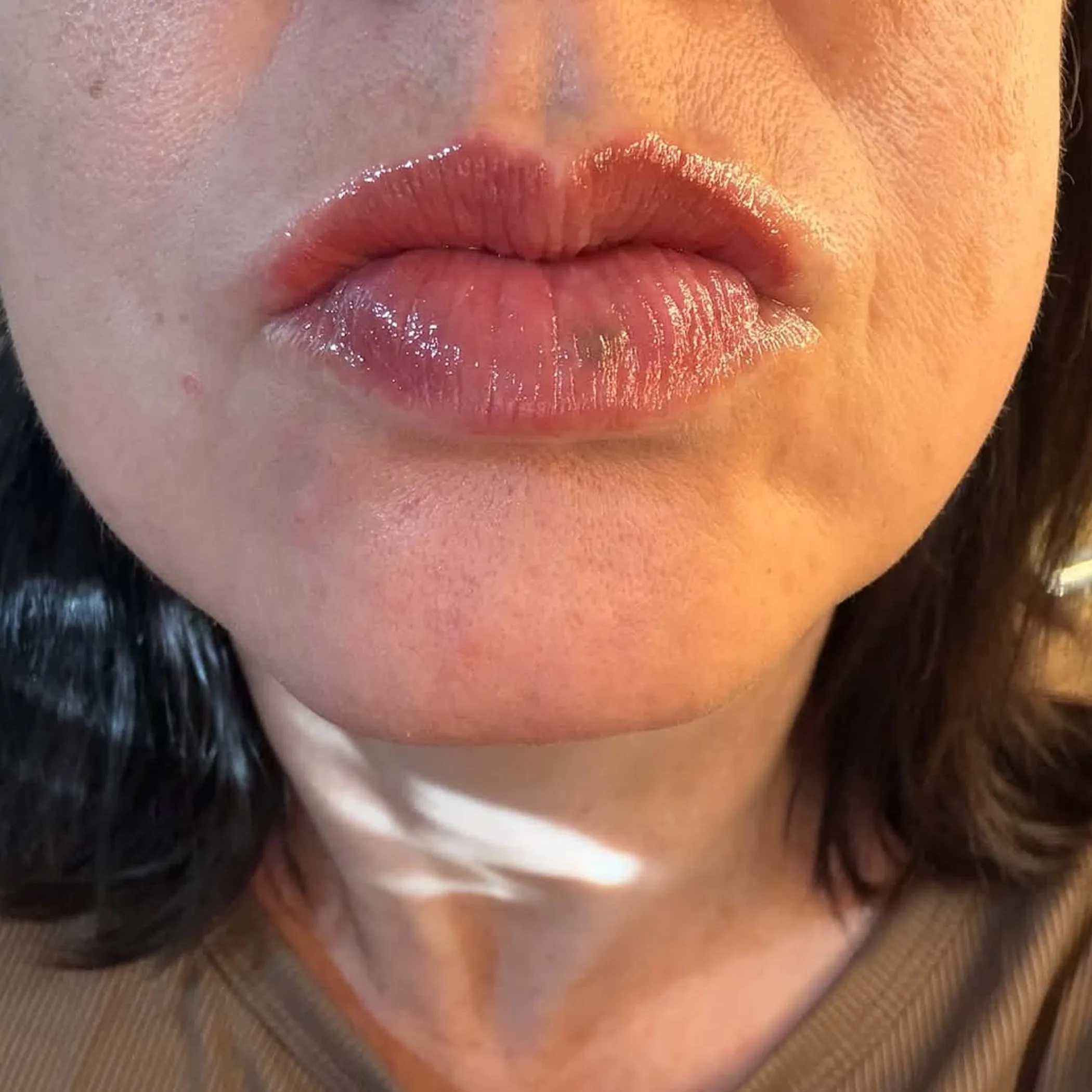
In essence, the treatment is about putting cosmetic tattoo pigment in the lips to put unwanted darker tones in balance. Do not expect a finished lipstick shade at your first visit, which is more concerned with colour correction; the outcome could well be on the warmer or orange side.
It is not the same as lip blushing, though some make the mistake of thinking so. Lip blushing is for definition and colour, neutralisation is to get the discolouration under control. A number of clients will book for a separate lip colour enhancement once things have settled.
Colour Correction Before Tinting
The practitioner will determine if the darkness is of a mixed nature or plain brown, purple, grey or blue and pick a correcting pigment to suit the client’s undertone. Warmer tones can be used to offset the purplish areas, but the formula has to be put together with precision so as not to leave the result uneven or too orange.
You are not there to have your natural lips obliterated, but to put down a more even base. There is a difference and it counts when it comes to how the pigment heals given the vagaries of sun exposure, hormones or old cosmetic work.
For whom it is suited
Adults whose lips are naturally on the dark side, two-toned or unevenly pigmented may find the treatment to their liking. Then there are those who would rather not be relying on concealer or a heavy hand with the lipstick to even things out.
But not all discolouration is a candidate for this. Any unexplained swelling, bleeding, scaling, a new spot or sores that will not go away call for a medical opinion first.
When it is appropriate and when it is not
Those with healthy lips and a sensible view of what is possible are better prospects than anyone looking for a quick fix to permanent pink lips. We will want to talk through any history of cold sores, allergies, smoking, medications or prior lip tattoos at the consultation.
If there is active dermatitis, an infection, cracked lips or a cold sore, the treatment will have to wait. And for the person prone to cold sores, a word with the doctor about antivirals is in order before a lip procedure. One does not make a plan of treatment by taking someone else’s tablets off the bathroom cabinet.
Nor is it wise to have cosmetic tattooing put a veneer over a change brought on by medication or a medical condition without proper assessment. Disguising the symptom while ignoring the cause is poor judgement.
The course of an appointment
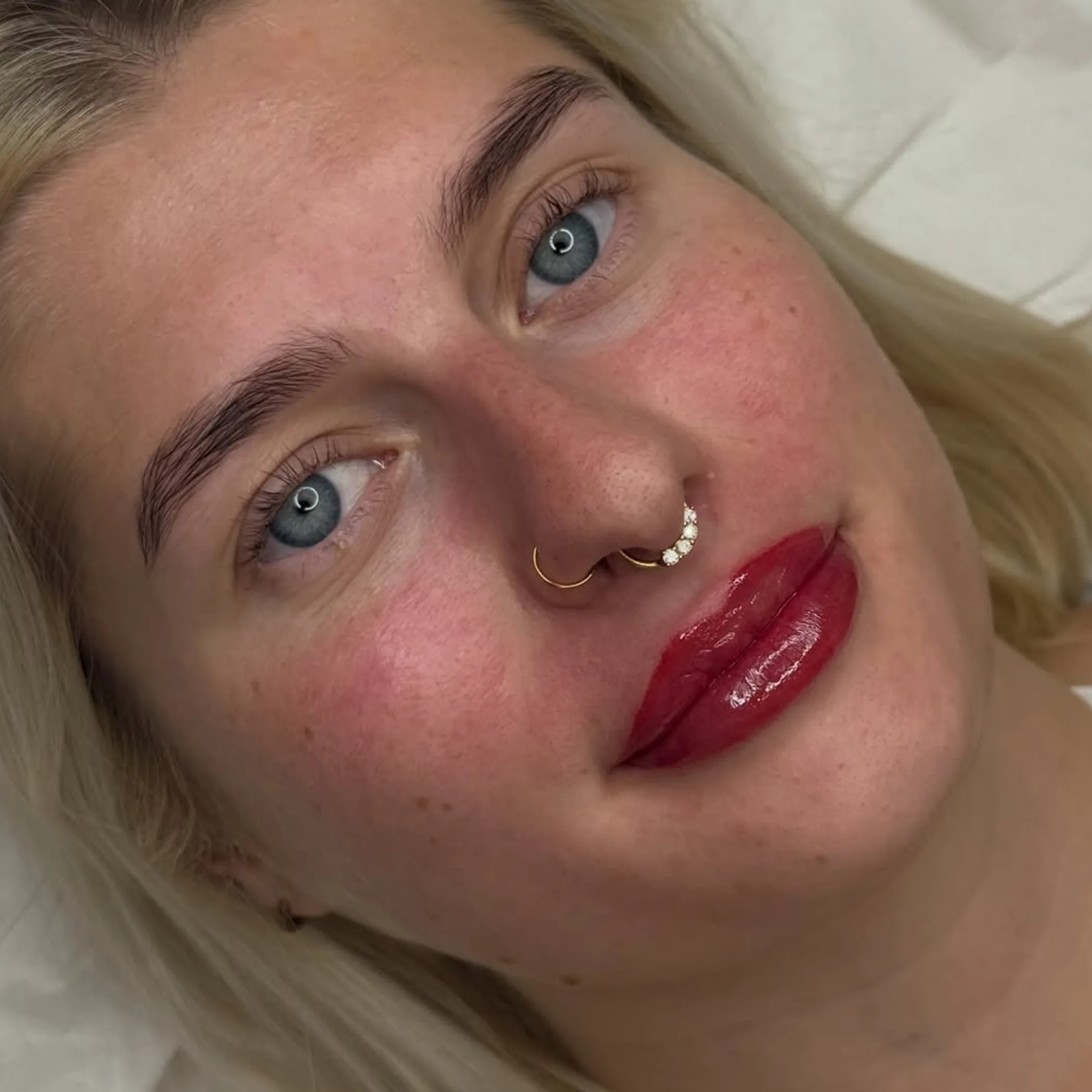
You should not be in a hurry with a professional. Your practitioner will have assessed the lips and made sure the consent and hygiene formalities are in place before commencing, having explained the limitations of the pigment and what we are setting out to achieve.
Between the consultation, the mapping of the lips, the selection of pigment and the anaesthetic (if called for), the time taken will depend on the size of the lips and how much correction is in order.
Consultation and Colour Mapping
Your practitioner ought to look at your lips in natural light and get a sense of what “even” is to you. Photographs of your makeup style are fine to bring along for reference, but a healed tattoo is not going to be the same as an edited photo or a filter.
Have a look at some healed examples on people with a like natural tone. Fresh work has a boldness to it that can be deceiving; the healed piece is where you get the truth. If the only photographs on offer are from straight after the session, you are being shown half of it.
Needling and the application of pigment
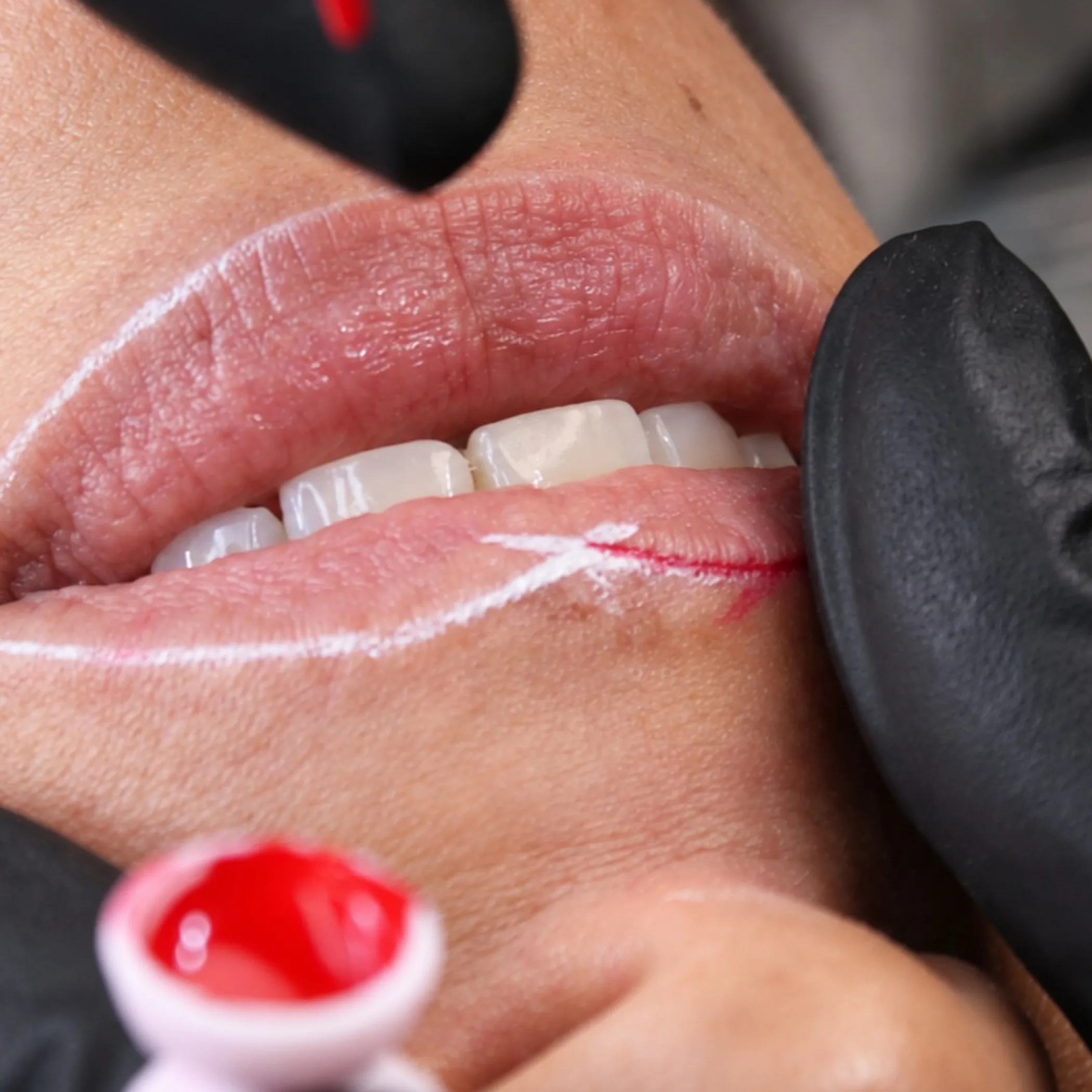
Once you are in agreement on the colour and outline, the cosmetic tattoo machine is used to put the pigment in the superficial layers of the lips. Even with numbing cream in effect one can experience some tenderness, pressure or a vibration and the odd scratch.
The practitioner will be methodical about it; there is no place for forcing a dramatic correction in a single sitting. To put it another way, enthusiasm is no replacement for restraint when dealing with such sensitive lip tissue. Overdo it and you are liable to have more swelling, irritation and an uneven healing.
Healing, Swelling And Colour Changes
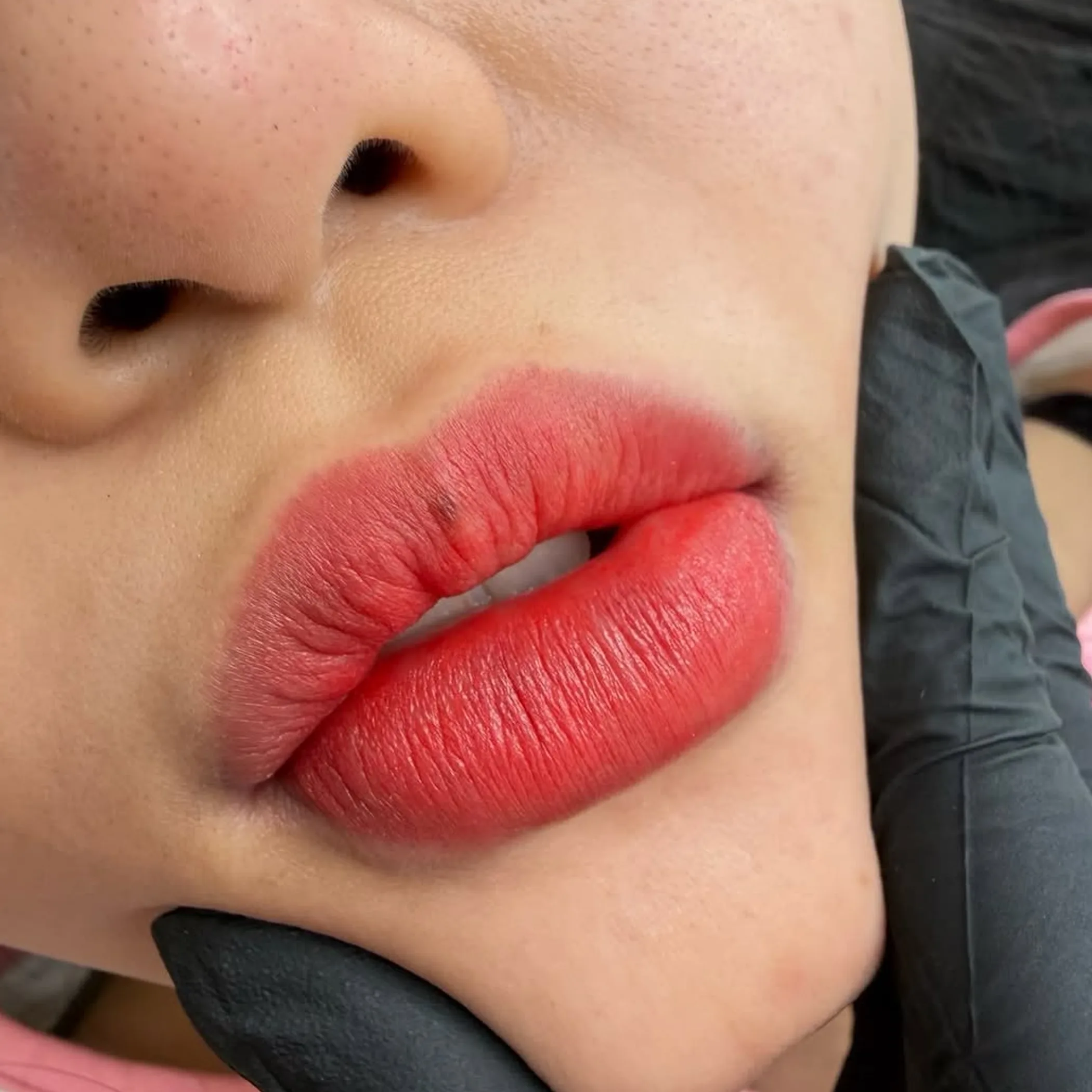
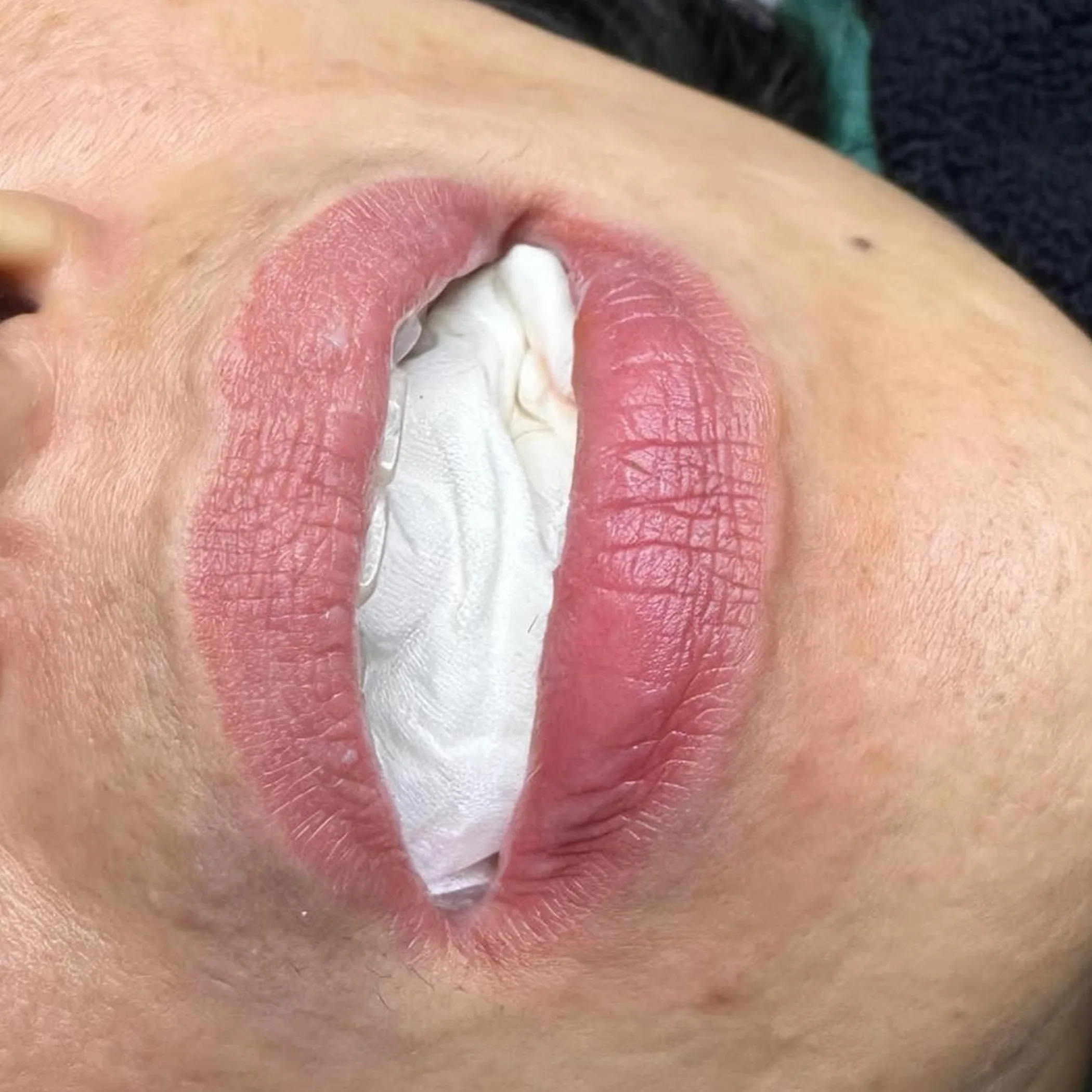
In the early going the lips will be more swollen, darker and brighter than the healed outcome would suggest, which can be unsettling if the pigment is running warmer than the final colour should be. It is all part of the process but warrants some attention. The skin may be tight, dry or tender and will flake as it settles. Resist the urge to pick or scrub at it, no matter how much a bit of skin seems to want to be picked at.
Typical Healing Pattern
| Stage | What to expect | Some practical care |
|---|---|---|
| First 24 hours | Strong colour, swelling and tenderness | Keep your hands off and adhere to the aftercare laid down by the practitioner |
| Days 2–7 | Colour can look uneven, there will be flaking, tightness and dryness | Stick to the aftercare products that have been approved and do not pick the skin |
| Weeks 2–4 | A temporary dullness or lighter colour | Put the lips out of the sun and let them be |
| 6–8 weeks | The true healed colour shows itself | Make the review appointment if advised |
This table is a guide, not a guarantee, as healing is not uniform. Dehydration, smoking, picking, the state of one’s health or an error in aftercare will have an impact on the result.
Where People Go Wrong
There is a tendency to think one visit is enough for a flawless colour. In fact neutralisation is often done in stages, especially with lips of an uneven or strong pigmentation, and a second session to put the finishing touches on the correction is sometimes called for once the first layer has healed.
Then there is the error of selecting a pigment from what is on show right after the procedure. Fresh pigment has an intensity that softens as it heals. The selfie from ten minutes out of the studio is of no consequence compared with the healed product.
Expectation Versus Reality
You might anticipate an even pink straight off, but in the initial phase of healing they can be patchy, warm and bright. Or you could believe the dark pigmentation is gone for good; cosmetic tattoo pigment has a way of fading and will heal in its own manner on the lips, so touch-ups are not uncommon. As for a practitioner putting his name to a certain shade, a responsible one will be honest about the variables of living skin – natural tone, chemistry, past treatments – instead of touting laboratory precision.
Risks, Hygiene And Australian Checks
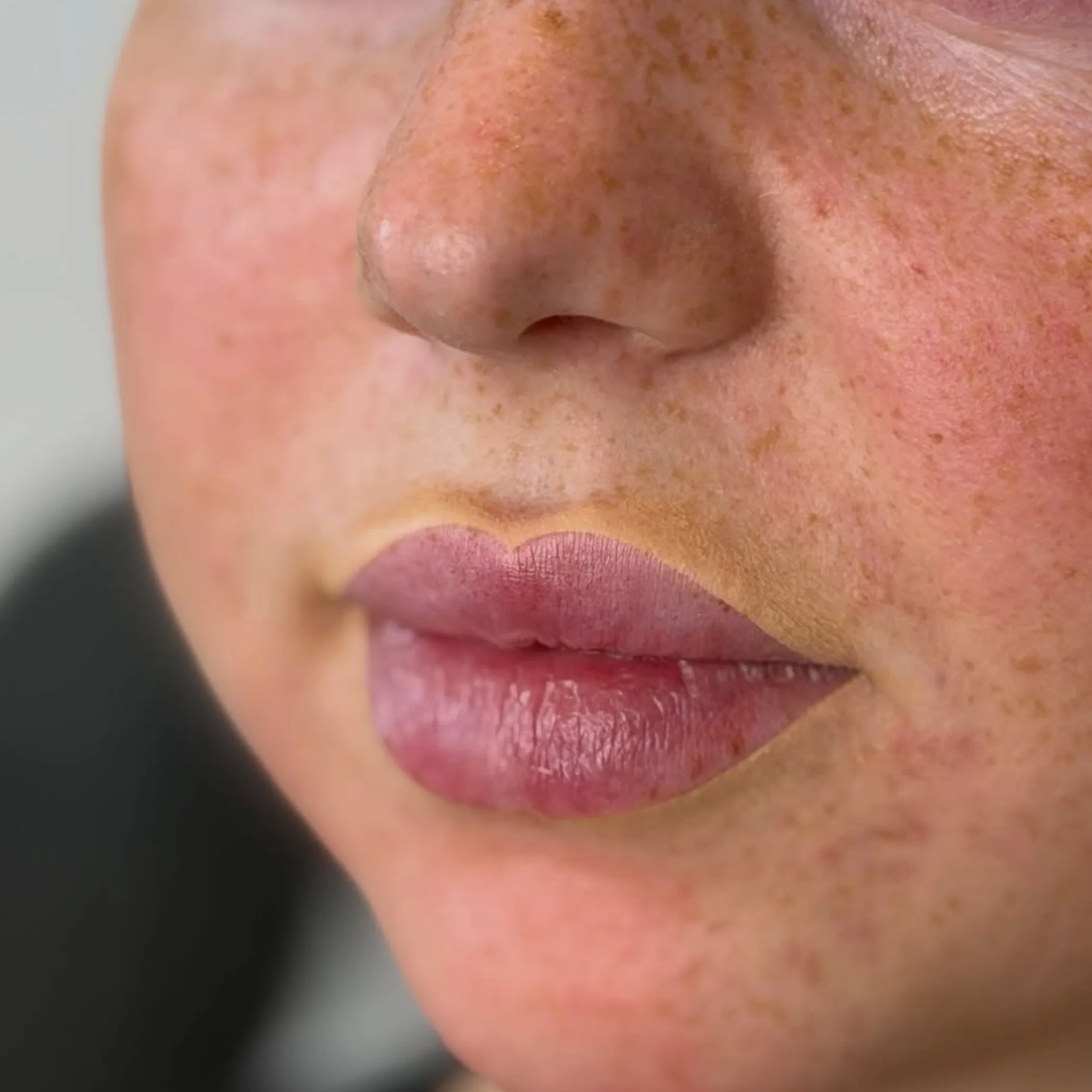
Because the skin is broken there is scope for scarring, pigment migration, an allergic reaction, cold sore reactivation or infection. Some tenderness and swelling is to be expected but fever, pus, blistering or redness that spreads should be referred to a doctor without delay.
It is worth making sure the practitioner is abreast of the local health and hygiene rules before you book. Have the appropriate supplies opened before you and use only sterile, single-use needles. In Australia these requirements are the purview of different councils, states and territories, so enquire as to the licence or registration that is in force at the premises. Healthdirect has guidance on cosmetic procedures for those who want to read up on what to ask. One should also find out how the practitioner deals with post-treatment issues, accidental exposure or the disposal of sharps.
Questions to put to them
- How many times have you done a neutralisation on lips of a like undertone?
- I would prefer to see some healed work, not just the fresh photos.
- Tell me which pigments you are using and what is the plan should the colour heal unevenly.
- What is the protocol for someone with a cold sore history?
- Is there an extra charge for a perfecting or review session and what does the price cover?
If your queries are waved away there is no harm in making yourself scarce. A measured consultation is preferable to being put on the spot for a deposit.
On the subject of costs and planning
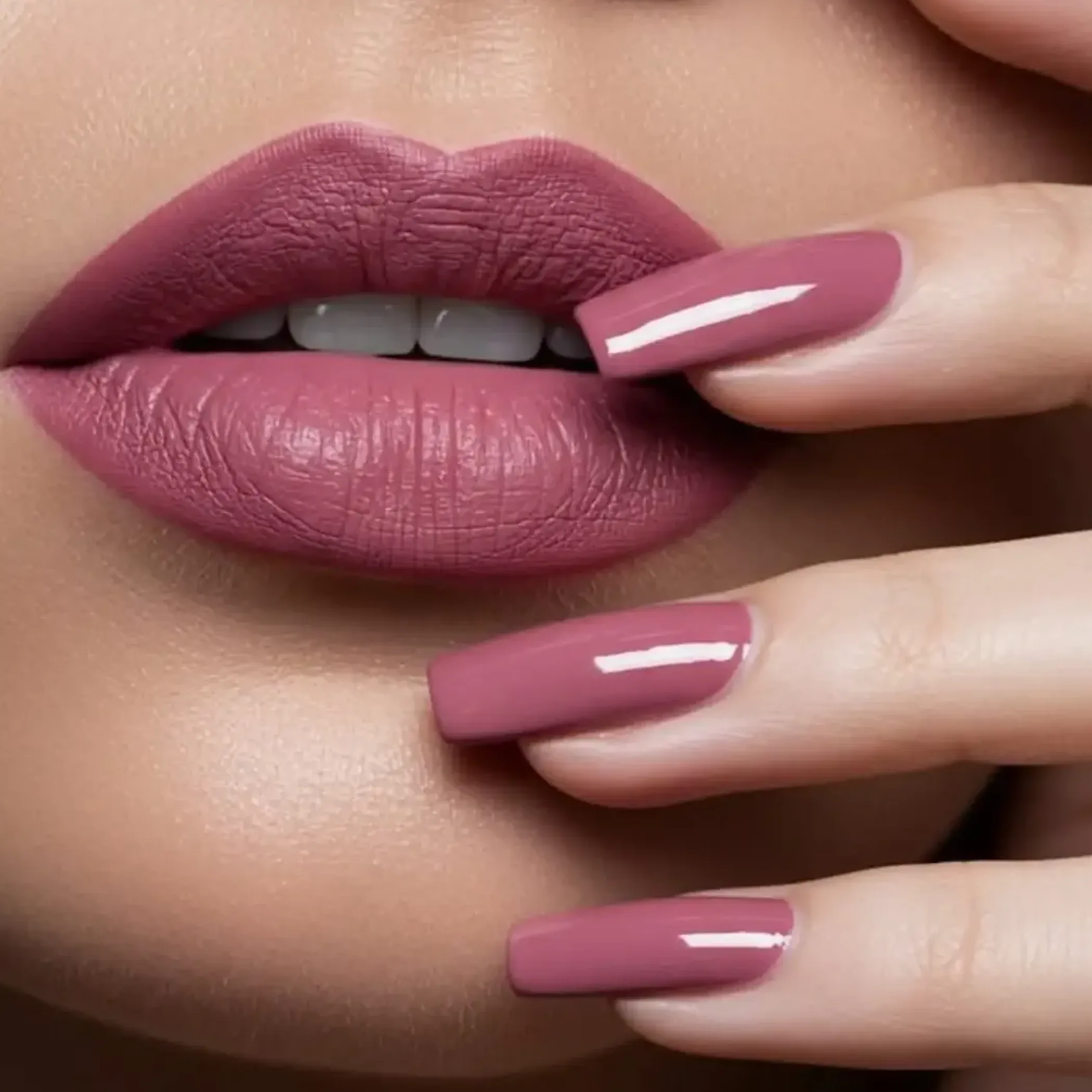
Figures in Australia can be quite disparate depending on where you are and the practitioner’s standing. A few hundred dollars is a reasonable estimate for the first appointment though a correction will run you something more. Get the full price in writing.
Do not try to fit the appointment in between work and a dinner engagement; put aside some time. Once you are done your lips could be swollen, making eating an awkward business, and the colour will likely be of a strength you do not care for until it has a chance to settle. For an important occasion, have the treatment put on the calendar well ahead of time so the final colour is unambiguous in a few weeks’ time.
Before And Aftercare Checklist
- You should come with clean lips and be forthcoming as to any medical history or allergies, what medications you are on and any lip tattooing in the past.
- Do not make a booking if you are unwell, in the midst of a flare-up or have cracked, irritated lips.
- Heed the practitioner on matters of aftercare products, exercise, sun and what you may eat or drink.
- Let the skin do its healing without you picking at it or putting on anything that has not been sanctioned.
- Should symptoms get worse or appear excessive for normal healing, see a doctor.
There is no need for any bush-track logistics such as a billy or Parks Pass, let alone a four-wheel drive. What is called for is a sensible timetable, patience for the recovery and clean hands.
Is It Right For You?
If uneven lip tone is something of a confidence issue then dark lip neutralisation might be of interest, provided one can live with a process that is gradual and not entirely predictable. One would be suited to it if one favours less makeup in a day and appreciates cosmetic tattooing is for colour correction, not a medical procedure.
Those looking for a sure-fire lipstick shade from a single visit, or who are disinclined to put in the aftercare, are better off not having it, as are anyone with lip changes they cannot account for. A consultation is in order if you are apprehensive; enquire as to the practitioner’s way of rectifying substandard results, the pigment used and whether there is patch testing.
Frequently Asked Questions
Does Dark Lip Neutralisation Hurt?
Sensitivity is a matter of the individual but most will say it is more of a discomfort than anything severe. A topical anaesthetic can take the edge off but will not obliterate all feeling. Some tenderness and swelling in the aftermath is to be expected.
Will I have pink lips for good?
Not of necessity. How your skin takes to it, the pigment put in and your own lip tone will dictate the outcome once healed. Maintenance is often needed as cosmetic tattoos are not permanent.
Is Lip Blushing an option at the same time?
Not always. The practitioner might be of the mind to do the neutralisation and see how the colour heals before introducing another. Without a plan, combining them complicates the correction.
How many sessions?
One is enough for some, others will require a follow up. If the lips are uneven or there is strong pigmentation or old tattooing to contend with, expect more sessions.
What about cold sores?
Having had them is not a bar to treatment per se but the tattooing can set them off. Talk it over with the practitioner and your doctor prior to booking and be guided by them on prevention.
Make The Decision Slowly
While dark lip neutralisation will even out the lip and you will want for less daily makeup, you must have realistic expectations and select your pigment with care for the best of it. Before you part with a deposit, look at some healed work and put your questions to them.
In the end my advice is to go with the practitioner and not the price tag. An economy appointment can turn into a costly correction if the aftercare and hygiene are wanting and the colour plan is poor. Proper cosmetic tattooing is unhurried and clean, with more thought put into the preparation than a “she’ll be right” attitude.
{ “@context”: “https://schema.org”, “@type”: “FAQPage”, “mainEntity”: [ { “@type”: “Question”, “name”: “Does Dark Lip Neutralisation Hurt?”, “acceptedAnswer”: { “@type”: “Answer”, “text”: “Sensitivity is a matter of the individual but most will say it is more of a discomfort than anything severe. A topical anaesthetic can take the edge off but will not obliterate all feeling. Some tenderness and swelling in the aftermath is to be expected.” } }, { “@type”: “Question”, “name”: “Will I have pink lips for good?”, “acceptedAnswer”: { “@type”: “Answer”, “text”: “Not of necessity. How your skin takes to it, the pigment put in and your own lip tone will dictate the outcome once healed. Maintenance is often needed as cosmetic tattoos are not permanent.” } }, { “@type”: “Question”, “name”: “Is Lip Blushing an option at the same time?”, “acceptedAnswer”: { “@type”: “Answer”, “text”: “Not always. The practitioner might be of the mind to do the neutralisation and see how the colour heals before introducing another. Without a plan, combining them complicates the correction.” } }, { “@type”: “Question”, “name”: “How many sessions?”, “acceptedAnswer”: { “@type”: “Answer”, “text”: “One is enough for some, others will require a follow up. If the lips are uneven or there is strong pigmentation or old tattooing to contend with, expect more sessions.” } }, { “@type”: “Question”, “name”: “What about cold sores?”, “acceptedAnswer”: { “@type”: “Answer”, “text”: “Having had them is not a bar to treatment per se but the tattooing can set them off. Talk it over with the practitioner and your doctor prior to booking and be guided by them on prevention.” } } ] }