An aesthetics consultation in Australia is a matter of having a good conversation, being put through your health and suitability paces and leaving with a plan you can follow. Any clinic worth its salt will want to have a look at your medical history, what you are after in terms of results and the features of your face or body before they put a needle or laser to you or hand over a prescription. They should be clear on the treatment options, the recovery time, the risks and what it will cost.
I am Charlotte Redfern and I would not make a beauty decision any differently than I would for a long road trip across this country: one checks the route and the conditions and does not put stock in a map that says it will all be plain sailing. Make of the consultation what you will, but it is an opportunity to put the brakes on, put some questions to them and determine if a treatment is right for you. You should not be made to feel in a hurry or corralled into a treatment room like sardines.
What Is An Aesthetics Consultation?
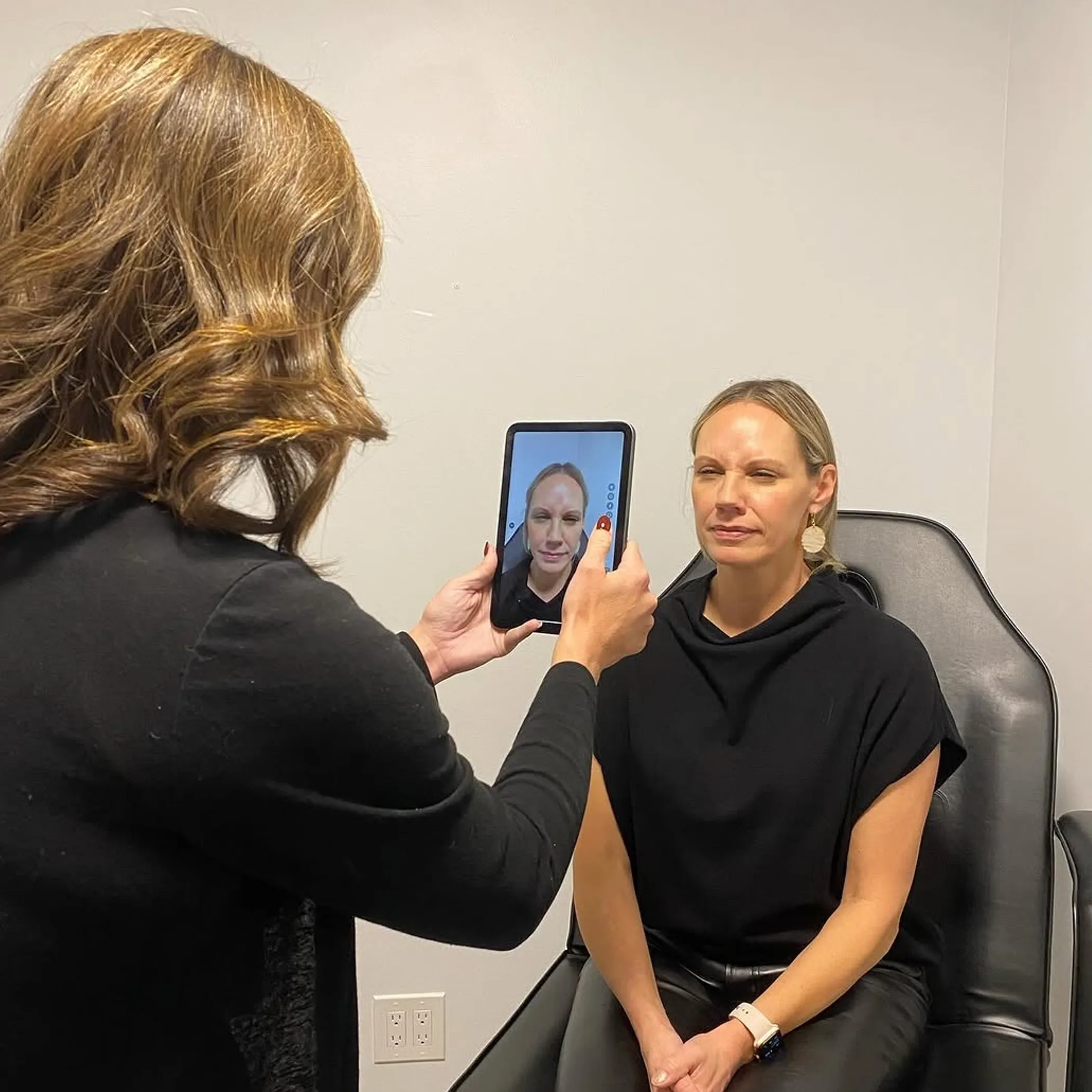
In short it is a private talk with someone qualified in healthcare over a cosmetic issue and the means to treat it. Clinics may refer to it as a first or non-surgical cosmetic consultation, or an aesthetic consultation Australia, to name a few. It can also help with vetting reputable aesthetic specialists.
The appointment could be for injectables, a skin or body treatment, laser work or some combination. But the point is not just to pick a procedure; it is to establish what is realistic, whether you are taking on risks you should and if the treatment is called for.
Consultation Versus Treatment
Do not expect treatment to be part and parcel of the same day. It is not uncommon for clinics to keep the two apart so you can mull over their advice, see how the costs stack up and make arrangements for transport or help on the way home.
A sound plan might mean no treatment is needed, or a different one altogether, or something done in stages. Should the practitioner put you in touch with a GP or dermatologist for your concern, take it as a good thing and not a brush-off.
How The Appointment Usually Works
For the most part there is a simple order of business: you register, give your medical history, talk goals, get examined and then have your questions answered about the treatment. Whether it is for Botox or a skin consult the sequence is much the same.
Make time for it. A short appointment will do for a review but if you have complex issues in more than one area you need to have it out properly. Put in a call to the clinic when you book to see how long to set aside instead of thinking it will be as quick as a coffee.
| Consultation Type | What May Be Assessed | Common Planning Points |
|---|---|---|
| Cosmetic injectables | Facial structure and movement, symmetry and where the treatment is to go | Risks, timing, dosage, product and review |
| Skin consultation | Sensitivity, texture, redness, pigmentation and quality of the skin | Clinical treatments, home care, response time and sun protection |
| Laser consultation | Healing history, previous exposure, tone of the skin and hair or pigment issues | Side effects, downtime, preparation and suitability |
| Body assessment | Proportions, skin laxity, areas to be treated and general health | Costs, limitations, likely benefit and if a referral is in order |
You will not find a national figure to tell you what every Australian clinic charges or how many appointments they use. Online averages are best taken as a rough guide, not a given. There will be variation from one state to another and between practitioners; a Sydney or Brisbane clinic will put a different price on things, including parking and consultations, than you would in a regional practice.
Check Your Medical History First
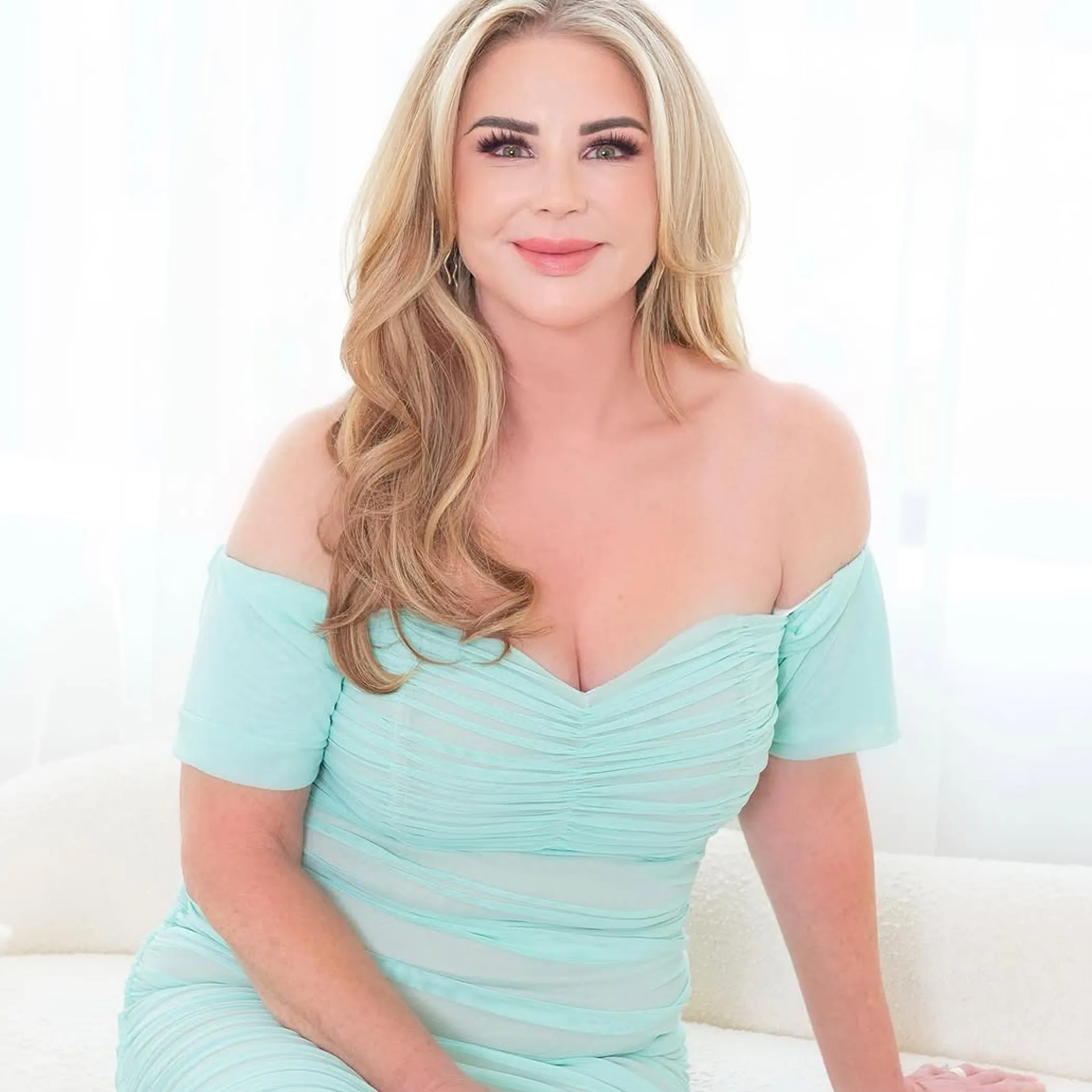
The practitioner will want to run through your medical history to mitigate risk and see if you are a candidate for the treatment. Be prepared for queries on anything from cold sores and skin conditions to pregnancy, allergies, medicines and supplements.
Give an honest answer even if you think a particular detail has no bearing. A recent dental job, an immune condition or a propensity for abnormal scarring can alter the course of treatment. And do not discontinue a prescribed medicine on account of a cosmetic consultation, put it to your doctor if you have any doubts.
Share Previous Treatment Details
Let the practitioner know what you have had done and when, and if you were left with any bruising, swelling, infection or a result you were not happy with. Have the name of the product or the dosage to hand if you can.
Some are under the impression a new clinic will have a record of your past work. They may not. Bring along a photo or an invoice to make for a safer and more precise assessment.
Explain Your Goals Clearly
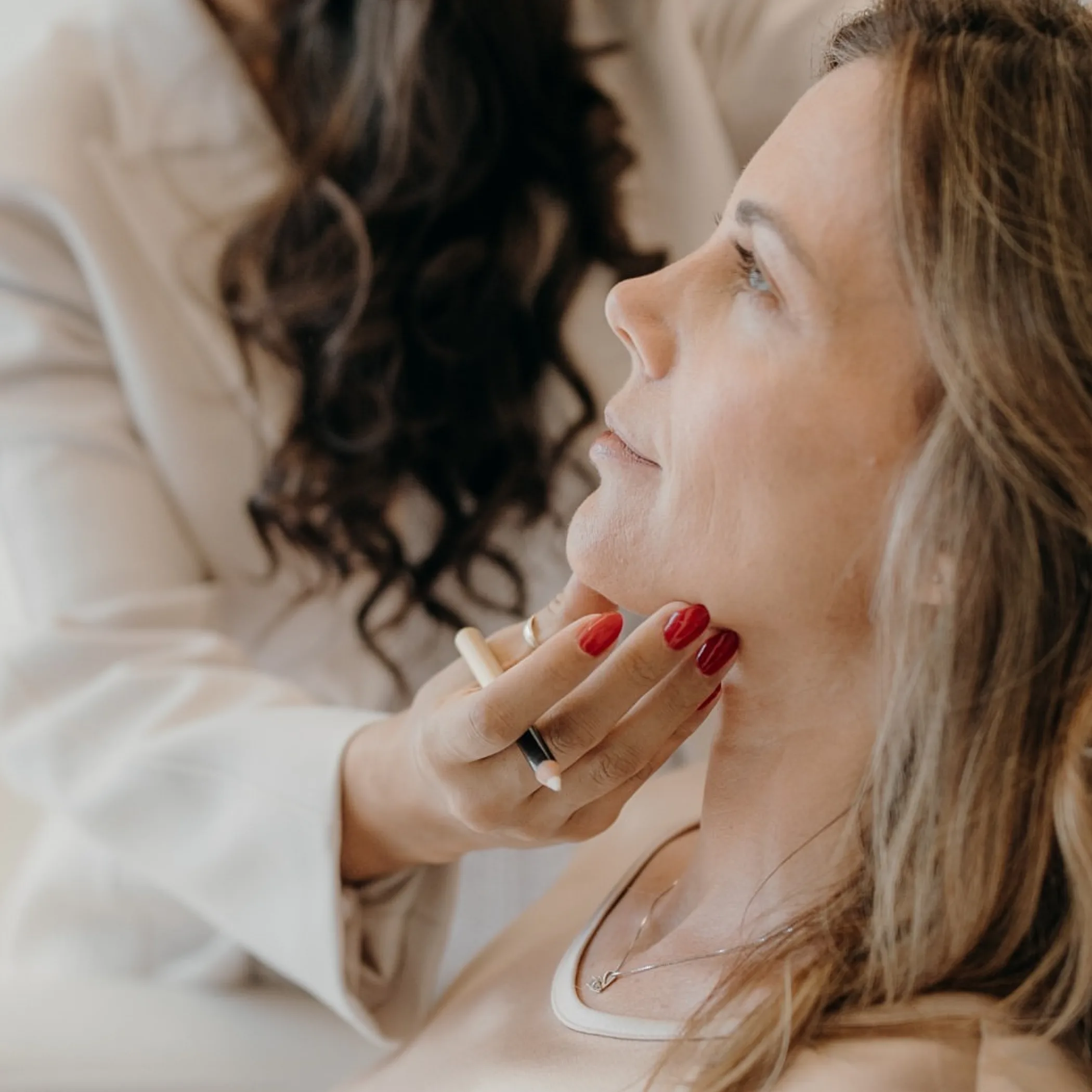
This is meant to be a dialogue on your aesthetic goals, not something the practitioner has to guess at. Put into words what is bothering you, the times when it is most apparent and the kind of change you would deem worthwhile.
You are welcome to come with photographs from various vantage points or of a style you admire. Just be aware that what is done to another may not suit your body shape, skin quality or facial structure. A good practitioner will put you at ease and explain why without making you feel foolish for having asked.
Describe The Result You Want
Be specific in your language so the practitioner can grasp whether you are after some definition or correction or a more subtle approach. “I want to look less tired but remain myself,” or “this area needs softening without altering my expression” are good ways to put it.
Do not make the mistake of fixating on the name of the treatment; to say “I will have Botox” does not of itself get at the root of the problem or point to the safest course of action. The consultation is for identifying the issue first, the treatment second.
Understand The Physical Assessment
There should be no mystery as to what is being assessed and the reason for it. In the case of a facial assessment, the practitioner will be looking at your proportions, symmetry and movement, both in repose and in expression, as well as your skin and structure. He or she might wish to examine the areas in question and, with your permission, take some photographs to discuss how your features could react.
A skin consultation will cover such things as pigmentation, sun exposure, sensitivity, dryness, scarring or acne. With a body assessment the focus will be on texture, laxity and proportions to see if the matter is amenable to cosmetic work.
Photographs And Privacy
The practitioner will use clinical photographs to plan the work and for later comparison. Make sure you know who has access to them and how they are kept, and if there is any possibility of their being used in marketing. Your consent to have your picture taken for treatment should not be co-opted as an open season for advertising.
If you are not at ease with the camera, let the clinic know before it is produced; they will be clear about their process and will respect a decision to forgo it where it is not a matter of safe care.
Compare Options And Risks

Plain speaking is required when it comes to the benefits, limitations and any risks or side effects of the options on the table. That is where informed consent starts and you should have a full understanding of the plan before you put pen to paper beside the chair.
Inquire as to what would be done in the event of an uneven or underwhelming result. What are the warning signs? Depending on the procedure, the conversation should cover bruising, swelling, infection, burns, asymmetry, changes in pigmentation, allergic reactions and the like.
Keep Expectations Realistic
No amount of cosmetic treatment is going to give you a permanent fix or do away with a concern altogether, though it can improve or lessen its appearance. A personalised plan will set out what is possible. Find out how long one is likely to wait for results, if several sessions are in order and what the recovery entails; something that appears straightforward on the internet can still mean peeling, bruising or some restrictions.
Vetting Reputable Aesthetic Specialists
This ought to be part of your preparations. In Australia professional standards and registration are important and you can verify a practitioner on the Australian Health Practitioner Regulation Agency register of practitioners. But registration is no guarantee of a cosmetic outcome, so also enquire as to insurance, experience with the treatment in question, emergency protocols and follow-up.
Questions Worth Taking Along
It is best to have your questions written down ahead of time. One tends to think of them in the lift on the way home, which is of little use unless your practitioner is in the lift with you.
- What is at the source of the concern and what would be suitable?
- What is the extent of the practitioner’s qualifications and experience?
- What are the risks, serious or otherwise?
- How much time should I allow for recovery?
- What are the costs in full, for review appointments and the like?
- What aftercare will I be given?
- Who do I call if there is a problem?
- When is the follow up?
A sensible question is generally welcomed by a practitioner and makes for better working relations than with those who find curiosity a bother.
Prepare Before You Attend
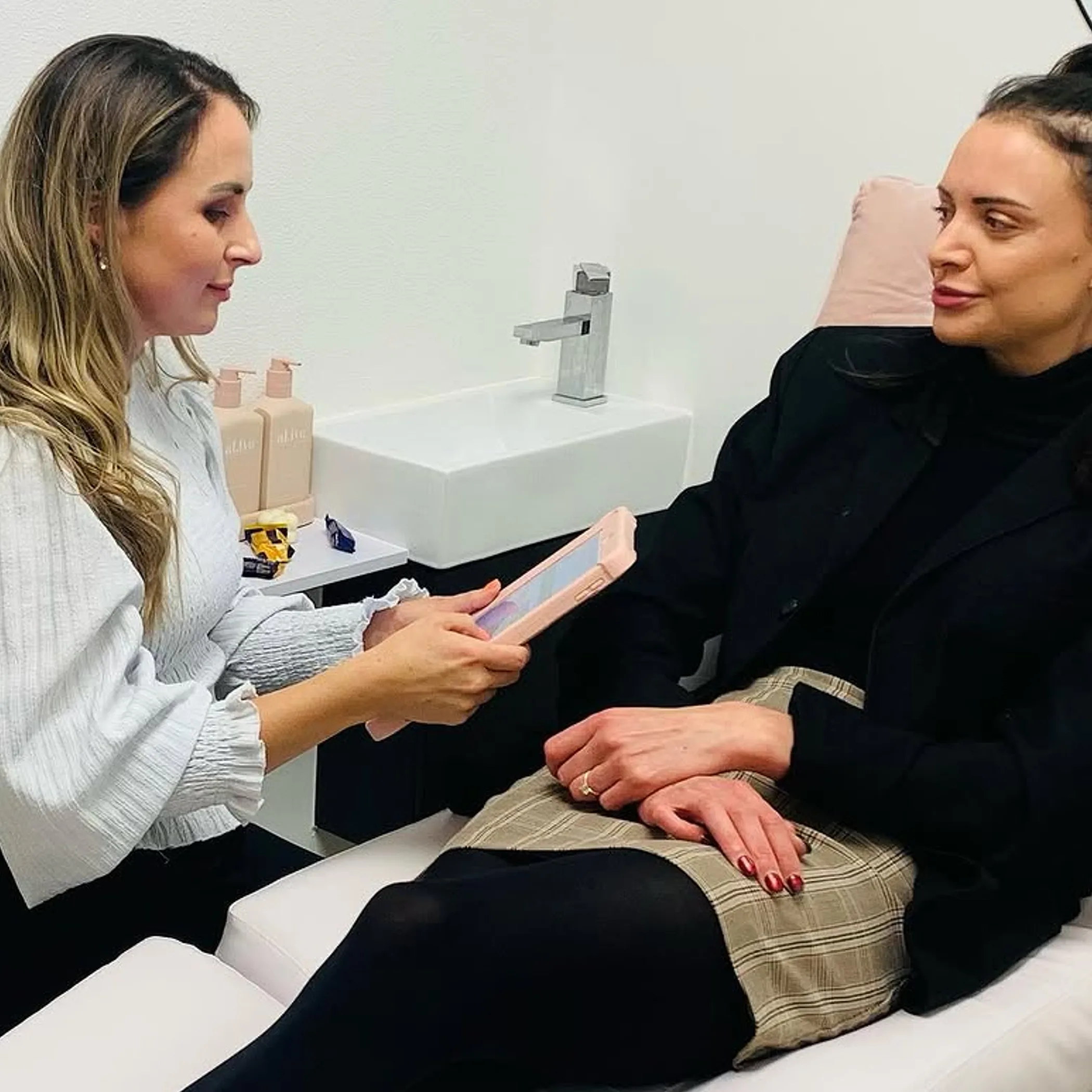
To make the appointment of some use, have to hand any medical details, a list of your medicines and supplements, information on prior treatments and any photographs that serve to illustrate your case.
Should the clinic ask for it, present with clean skin; do not however make up some pre-consultation routine that calls for every product in your bathroom, just stick to what they put in their instructions. And if there is a chance you will go ahead and be left with some bruising or swelling, think twice before making an appointment right up to an important occasion.
Put some thought into how you will get home, especially where treatment might impair your vision, concentration, movement or general comfort. In Brisbane or Sydney factor in the traffic, the cost of parking and the walk from a bus stop or station to the clinic. Make sure you have checked on lift access, building entry and after-hours contacts prior to the visit.
Use A Simple Decision Checklist
- Verify the practitioner’s credentials, registration and experience.
- Have to hand any questions for the consultation as well as your medical history and records.
- Put in writing what you are told about the risks, aftercare, recovery and the full price.
- If at any point you are unsure or sense pressure, take the time to mull it over.
Know What Happens Afterwards
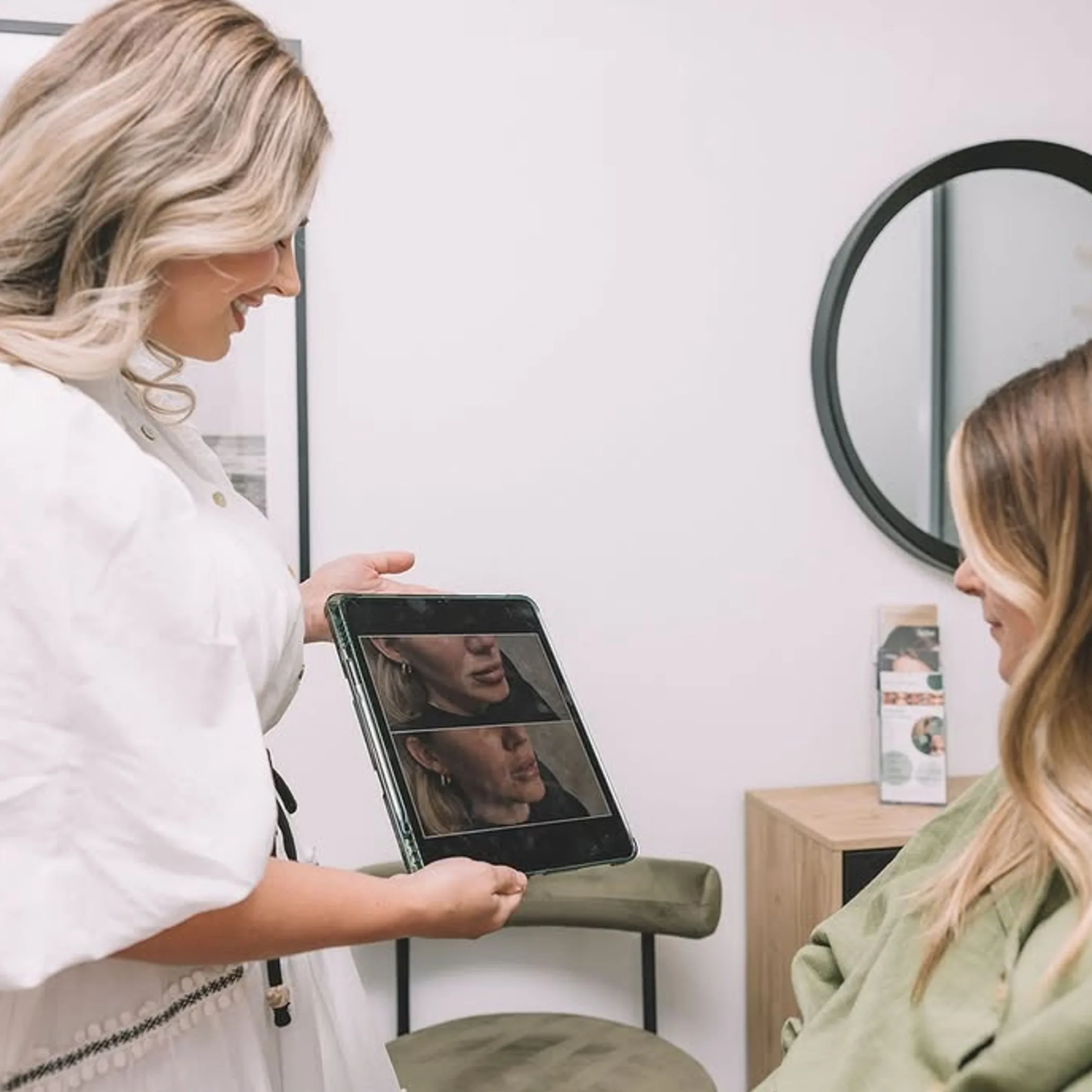
The clinic may put forward an aesthetic treatment plan in writing with all the details: procedure, areas to be treated, costs, what to expect in terms of preparation and aftercare. Do not read this while you are at the reception with your wallet out, but when you have had a chance to settle down.
There could be a follow-up arranged or you will be given an idea of when a review is in order. Find out if the consultation fee is distinct from the treatment and can be put towards a procedure. All costs must be transparent before you are committed, even those for corrections, reviews or prescription products.
Should you find the clinic resorting to discounts or emotional tactics to put you on the spot, disengage. You are within your rights to leave and change your mind. The whole point of a consultation is to put you in control.
Frequently Asked Questions
What Happens In An Aesthetic Clinic?
There will be registration and a medical history to fill in, then an examination of the area in question and a talk about your goals. You will be given advice on treatment, risk and aftercare. Some clinics will do the treatment there and then, others will have you come back for it.
Do I Need A Referral For A Cosmetic Consultation?
For a cosmetic consultation generally no, though it depends on the clinic and the treatment. A practitioner will put you in touch with a GP or dermatologist should your case warrant a medical investigation or be beyond what they cover.
Can I Have Botox At My First Appointment?
Provided the practitioner has made the proper assessment and has your consent you can. Or you can opt for the consultation and make up your mind later. Nothing should make a same-day procedure seem like you have no choice.
How Much Does An Aesthetic Consultation Cost?
You will not find a standard rate in Australia. It is a matter of the location, the type of treatment, the fee structure and the practitioner. Before you book, enquire as to the terms for cancellation and the fee, and what you can expect to pay for the treatment overall.
What If I Dislike The Recommended Plan?
Then you need not agree to it. Question the recommendation and see what else is on offer or if a referral is called for. Get another qualified opinion if you want. Cosmetic work is elective so there is nothing wrong with holding back.
Make The Consultation Work For You
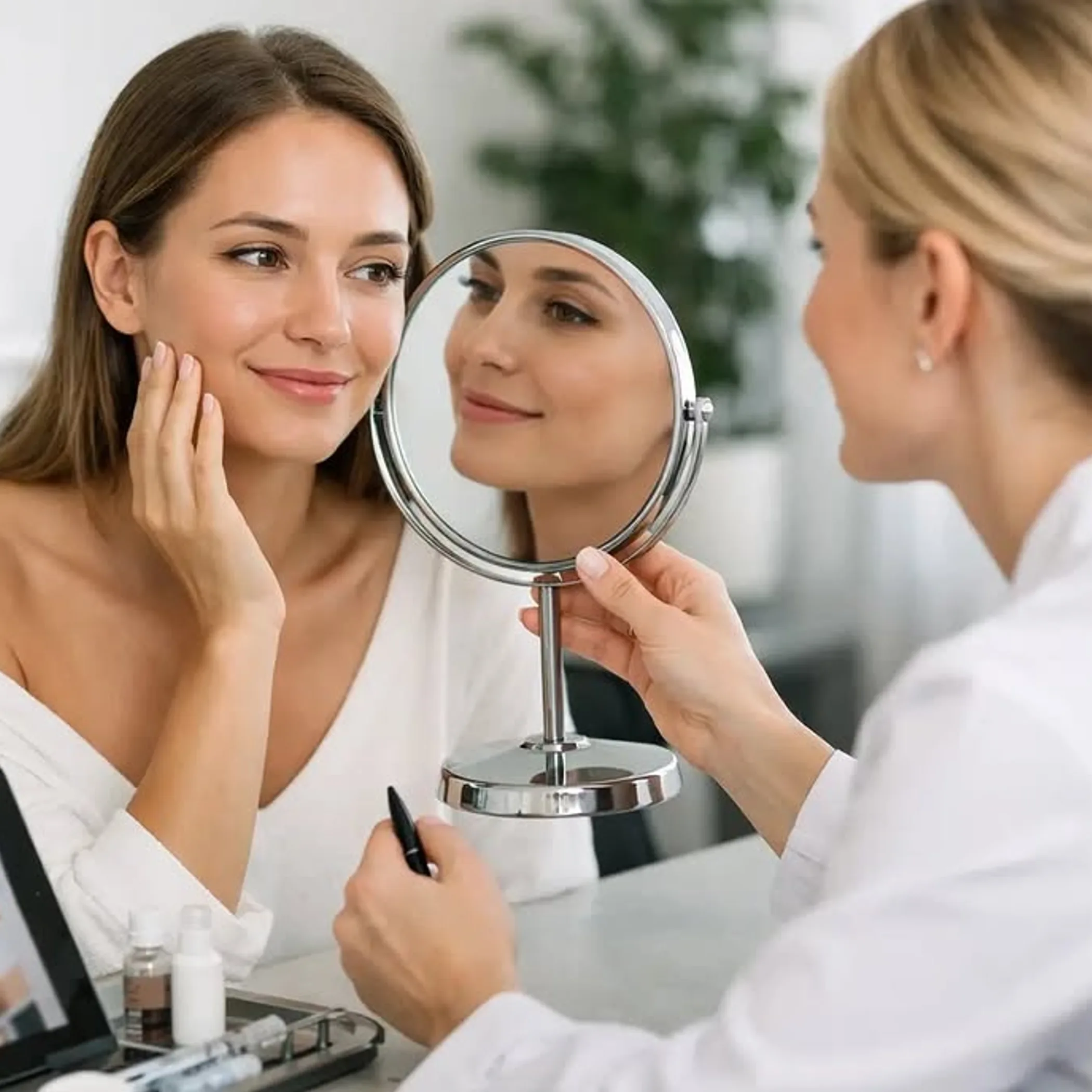
In Australia a worthwhile consultation will see you fully appraised of the options, side effects, the costs and what is realistic, and you will have been heard. You are free to decide.
Do not be put off by plain speaking and if the advice is rough or hurried, be gone. Perfection is not something the right kind of consultation will put on the table. What you get is a sensible course of action based on evidence and information that still makes sense come the next morning.
{ “@context”: “https://schema.org”, “@type”: “FAQPage”, “mainEntity”: [ { “@type”: “Question”, “name”: “What Happens In An Aesthetic Clinic?”, “acceptedAnswer”: { “@type”: “Answer”, “text”: “There will be registration and a medical history to fill in, then an examination of the area in question and a talk about your goals. You will be given advice on treatment, risk and aftercare. Some clinics will do the treatment there and then, others will have you come back for it.” } }, { “@type”: “Question”, “name”: “Do I Need A Referral For A Cosmetic Consultation?”, “acceptedAnswer”: { “@type”: “Answer”, “text”: “For a cosmetic consultation generally no, though it depends on the clinic and the treatment. A practitioner will put you in touch with a GP or dermatologist should your case warrant a medical investigation or be beyond what they cover.” } }, { “@type”: “Question”, “name”: “Can I Have Botox At My First Appointment?”, “acceptedAnswer”: { “@type”: “Answer”, “text”: “Provided the practitioner has made the proper assessment and has your consent you can. Or you can opt for the consultation and make up your mind later. Nothing should make a same-day procedure seem like you have no choice.” } }, { “@type”: “Question”, “name”: “How Much Does An Aesthetic Consultation Cost?”, “acceptedAnswer”: { “@type”: “Answer”, “text”: “You will not find a standard rate in Australia. It is a matter of the location, the type of treatment, the fee structure and the practitioner. Before you book, enquire as to the terms for cancellation and the fee, and what you can expect to pay for the treatment overall.” } }, { “@type”: “Question”, “name”: “What If I Dislike The Recommended Plan?”, “acceptedAnswer”: { “@type”: “Answer”, “text”: “Then you need not agree to it. Question the recommendation and see what else is on offer or if a referral is called for. Get another qualified opinion if you want. Cosmetic work is elective so there is nothing wrong with holding back.” } } ] }