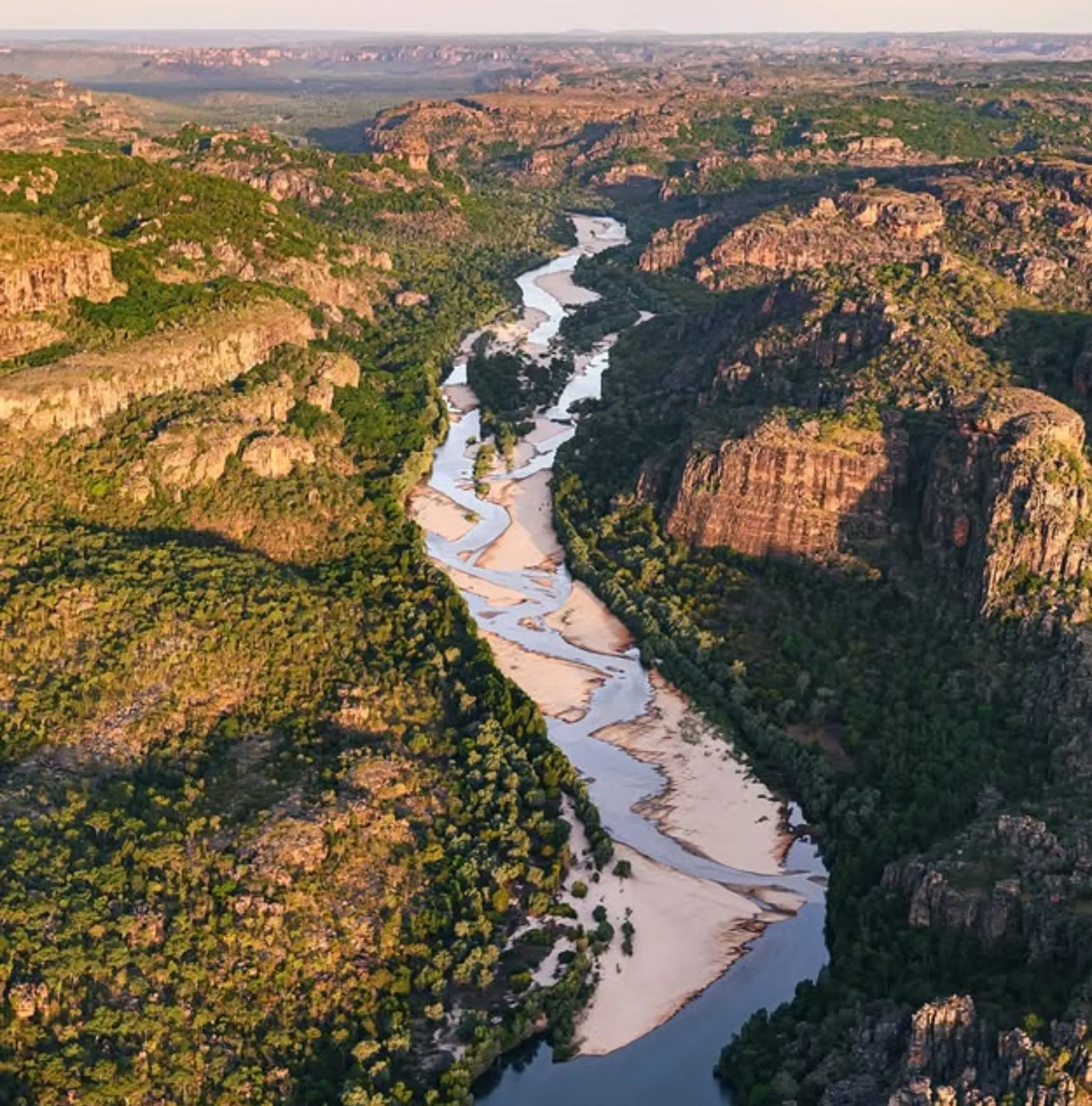
Kakadu National Park is a must-see destination in the Northern Territory of Australia. With its rich Indigenous culture, diverse bird life and stunning landscapes it’s no wonder Kakadu is on many travellers’ bucket lists. With a cultural heritage spanning over 65,000 years of human habitation this beautiful country offers visitors the chance to experience a deep spiritual tradition, explore many landscapes and see some of the most unique landscapes on earth.
If you’re planning a trip to Kakadu one of the first questions you might ask is: how do I get there? This comprehensive guide has all the trip planning information you need including transport options, best time to visit and how to make the most of your time with expert guides and exclusive access to the parks natural and cultural wonders. Booking a Kakadu tour is a great way to simplify your journey and gain deeper insight into the land’s unique offerings.
Where Is It?
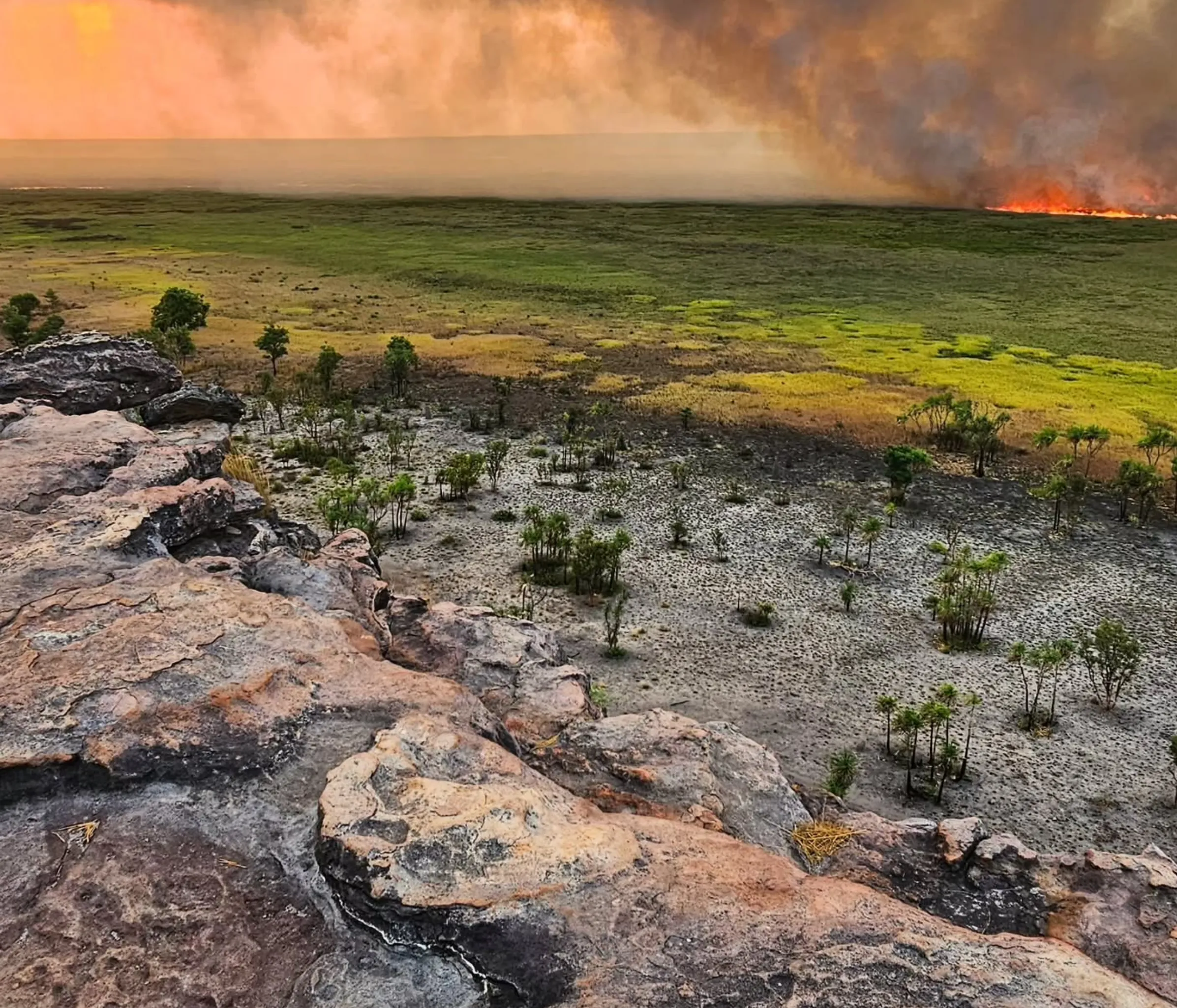
Kakadu is about 250km east of Darwin making Darwin the most common gateway to the park. Spanning nearly 20,000 square kilometres Kakadu is Australia’s largest national park. This huge country has a diverse and stunning range of landscapes—from green landscapes and wetlands to escarpment country, rock art sites, swimming holes and iconic billabongs.
The area is managed by Parks Australia and the traditional owners the Bininj/Mungguy people. Their connection to country is evident throughout the park—from rock art galleries that date back a couple of centuries to cultural experiences on guided tours. If you’re short on time but want to see the highlights consider one of the popular 3 day Kakadu tours from Darwin which are designed to deliver an immersive yet efficient adventure.
Option 1: Drive from Darwin
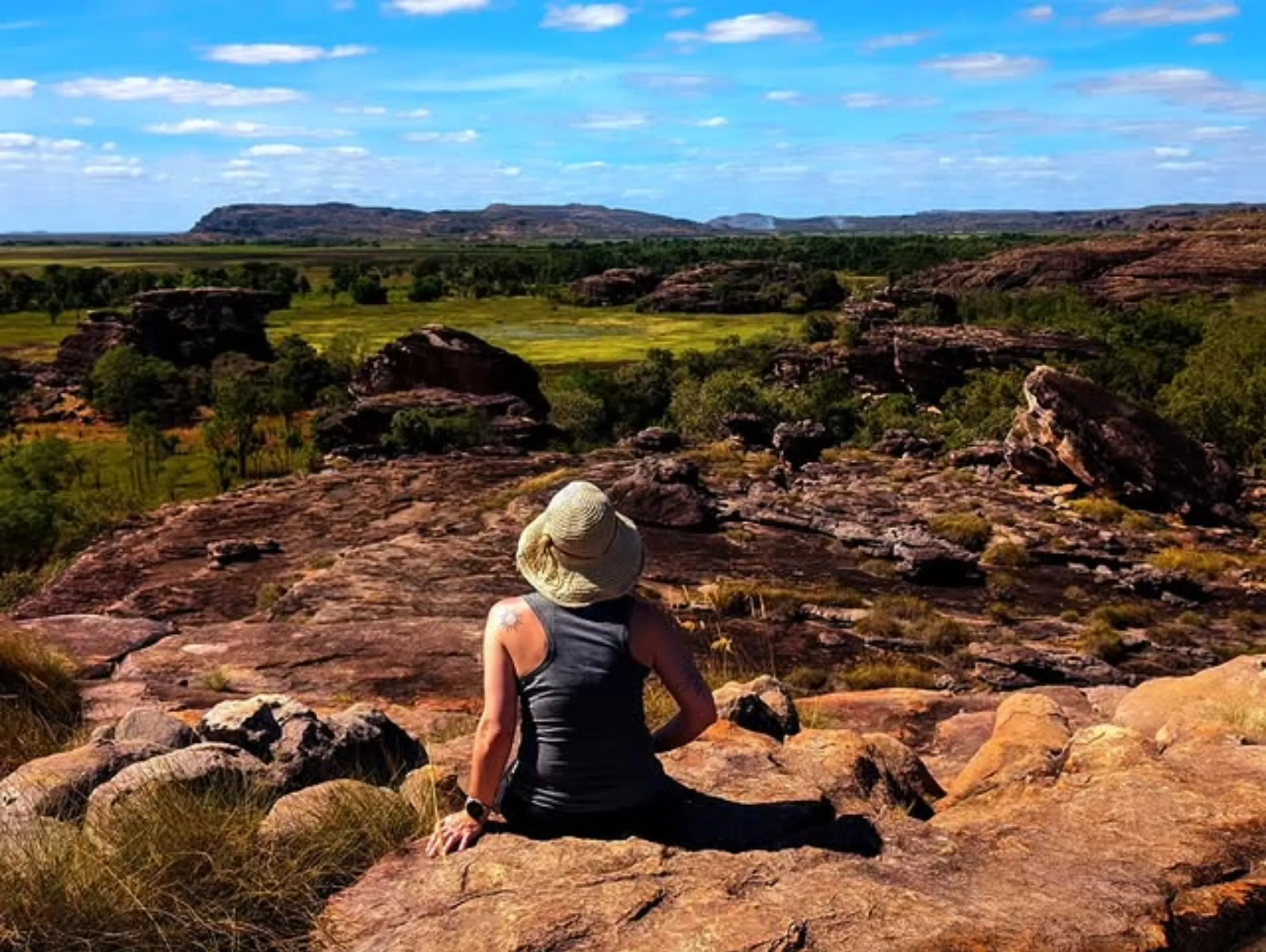
Driving is the most flexible and popular way to get to Kakadu. From Darwin it’s a 3 hour drive via the Arnhem Highway. The roads are sealed so suitable for regular vehicles although a 4WD is recommended if you plan to explore off road attractions, visit hidden rock art sites or enjoy dry season activities.
Car Hire & Drive Holiday Tips:
- Darwin has multiple hire options including 4WDs, campervans and cars perfect for a driving holiday.
- Plan your fuel stops—this is a big country with long distances between fuel stations.
- Bring a cold drink, snacks and plenty of water for the extra drive.* Bird life and wildlife
- Cultural sites and lookouts
Option 2: Join a Tour
For convenience and in-depth knowledge, joining a day tour or extended tour from Darwin is the way to go. Tour operators offer various itineraries—from one day to week long— to some of Kakadu’s most famous sites.
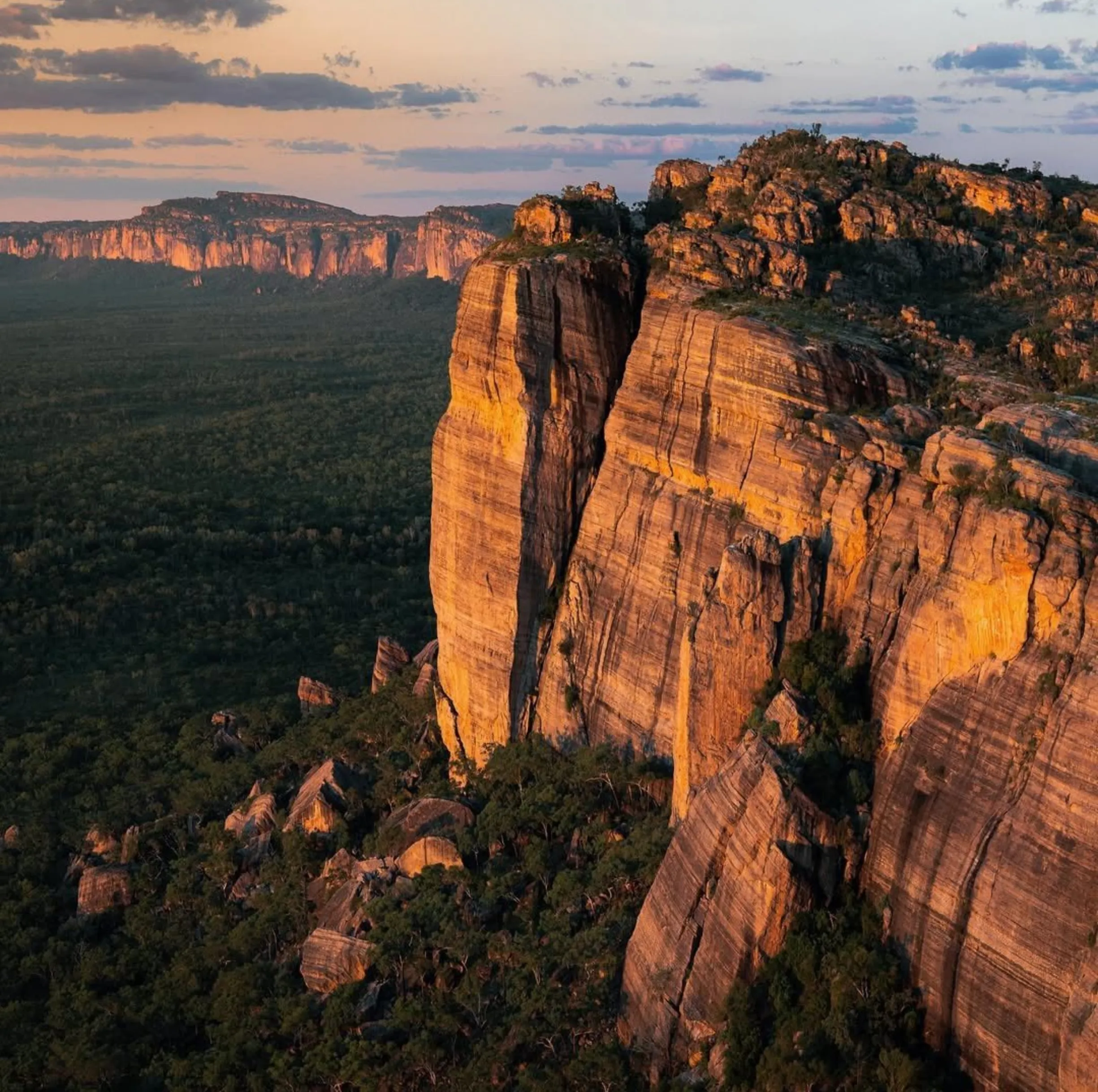
Tour Highlights:
- Day tours and extended tours visit Ubirr, Nourlangie, Yellow Water and Jim Jim Falls.
- Take a cultural cruise or boat cruise through a billabong and spot wetland wildlife.
- Learn about bush medicine, Dreamtime stories and ancient art galleries through expert guide talks.
- Some tours get access to sacred sites and art galleries not open to the general public.
Whether you want a full Kakadu tour from Darwin or combine with nearby attractions, it’s easy to find packages that include Kakadu and Litchfield Tours from Darwin.
Specialised Tours:
- Aerial tours and scenic flights
- Helicopter option for aerial photography
- Fishing tours in Kakadu’s rivers and wetlands
- Cultural experiences with traditional owners
Option 3: Fly to Kakadu
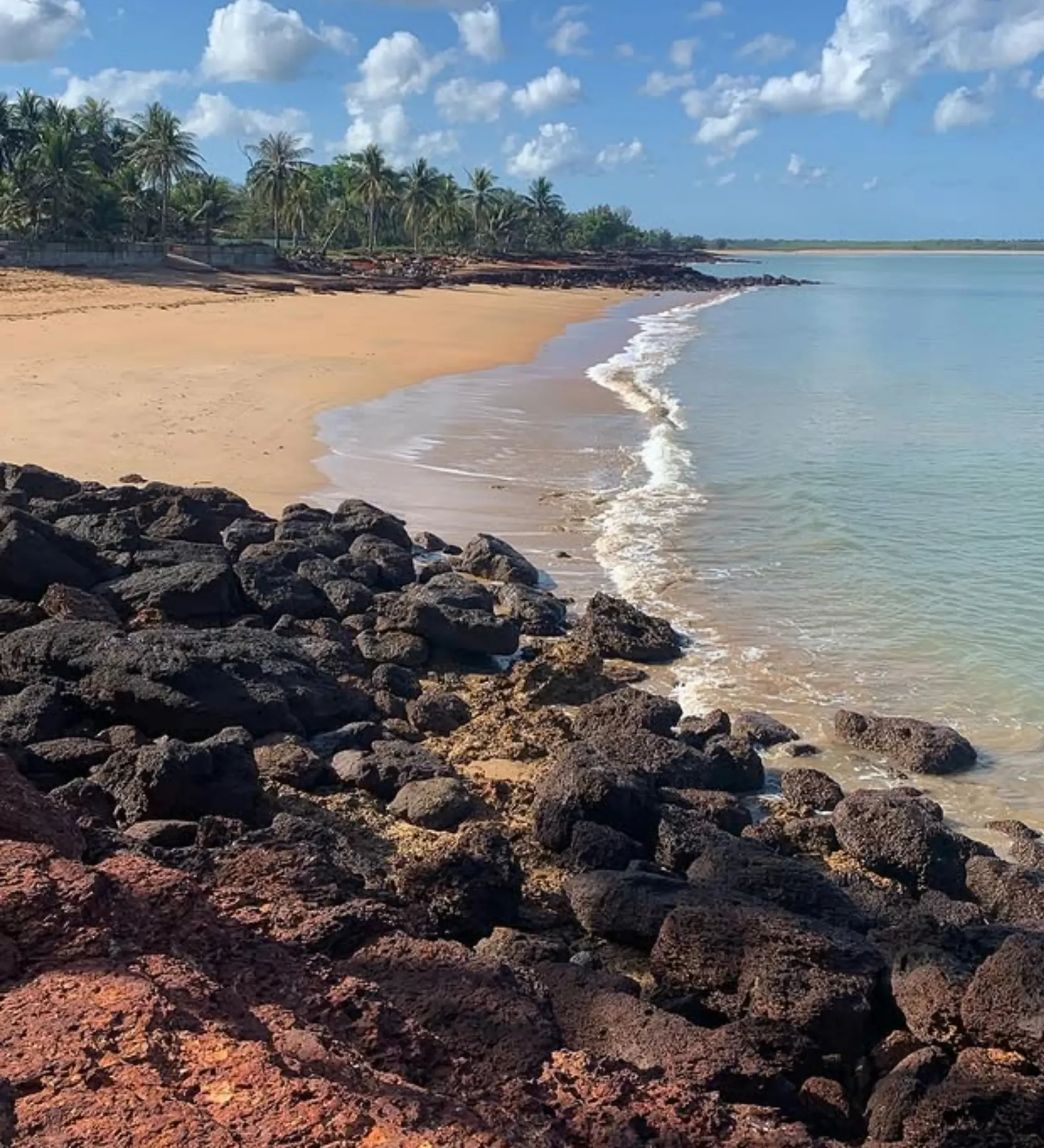
There are no commercial flights into Kakadu but you can fly to Darwin and then drive or join a tour. For a unique experience, scenic flights and helicopter options are available from Darwin and Jabiru. These aerial tours give you the best views of the Australian landscape, beautiful landscapes, dark pools, waterfalls and huge wetlands.
Flying Tips:
- Scenic flight durations from 30 minutes to a couple of hours.
- Helicopter flights are best during the green season when waterfalls are at full flow.
- Some flights include landings at remote rock art sites and exclusive cultural locations.
Best Time to Visit
Kakadu has two main seasons:
Dry Season (May to October):
- Best for access and outdoor activities
- Good for dry-season activities like hiking, day walks and boat cruises
- Most roads and attractions open
Wet Season / Green Season (November to April):
- Dramatic waterfalls and lush, green landscapes
- Fewer crowds and more time for reflection and photography
- Limited road access, but great for scenic flights and aerial tours
Planning Tips
- Research well ahead of time
- Don’t wait to start your research
- You can do a combination of driving and guided tours
- Bring binoculars for bird watching and distant rock art galleries
- Don’t forget insect repellent, sunscreen and protective clothing
- Stay hydrated and take breaks—this is a big country and the heat can be intense
Conclusion
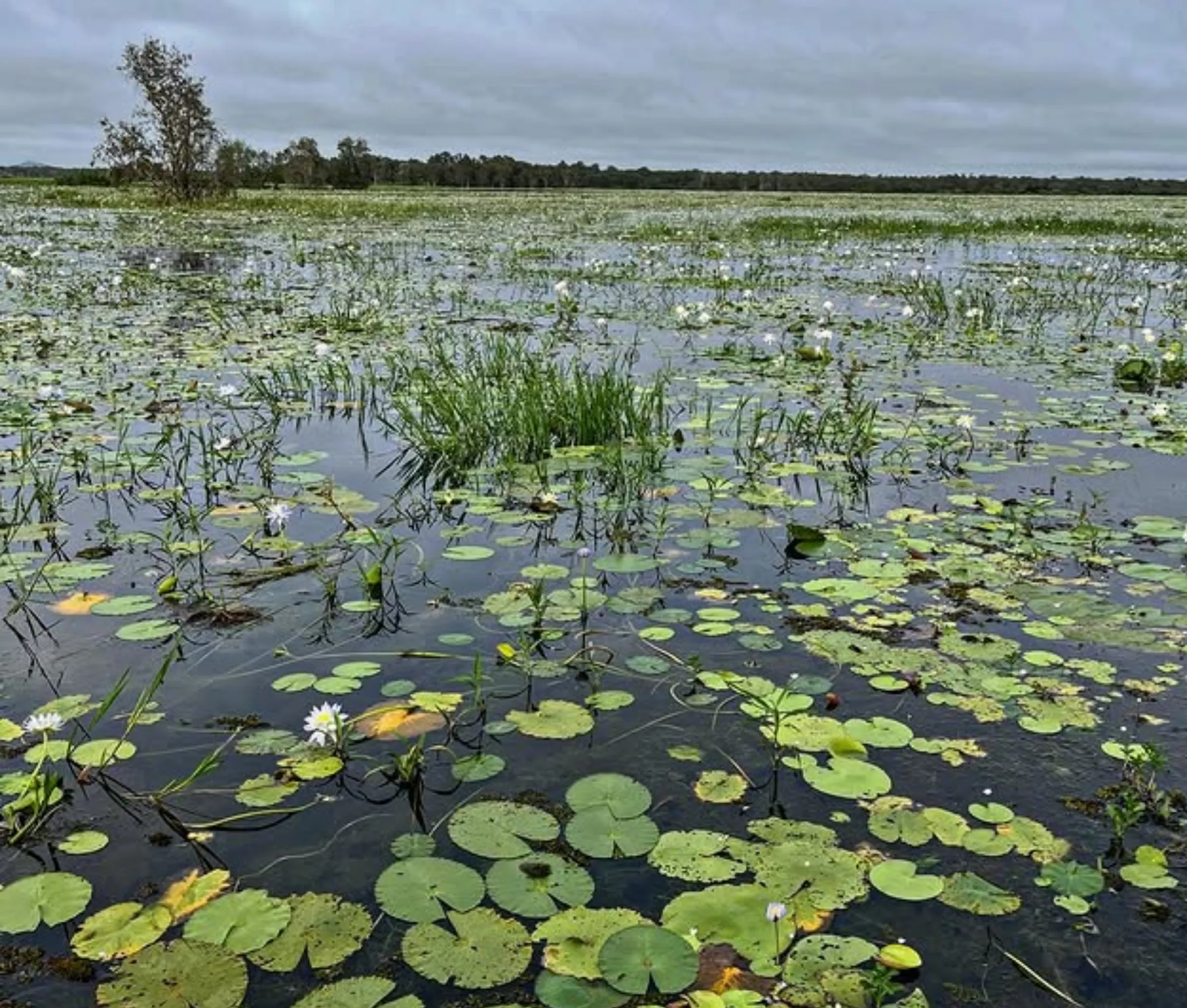
So there’s a Kakadu not just a destination—it’s a living breathing cultural landscape that is Australia. With thousands of years of cultural heritage, sacred sites and the wisdom of its traditional owners, Kakadu delivers.
However, a 4WD is required for some of the remote areas, especially in the wet season.
FAQ
Do I need a pass to get into Kakadu?
Yes, all visitors need a pass. You can buy online or at the entrance.
Can I drive a normal car into Kakadu?
Yes, most of the main attractions are on sealed roads. However, a 4WD is required for some of the remote areas, especially in the wet season.
Is there accommodation in Kakadu?
Yes, the park has various accommodation options including camping sites, lodges and resorts in Jabiru and Cooinda.
Is Kakadu suitable for families?
Absolutely. With its cultural experiences, wildlife and swimming holes, Kakadu has something for all ages.
How many days should I spend in Kakadu?
At least a couple of days or a couple of nights to see the icons, art gallery style rock art sites and to take your time to enjoy the park.