Any sensible preparation for a lip blush will do much to limit bleeding, swelling and the kind of irritation one can do without. After all, it is a type of permanent makeup putting pigment in your lips. In Australia proper pre-care means having healthy, untroubled lips and an open discussion with the cosmetic tattoo artist.
I am Charlotte Redfern of Adelaide and my beauty advice is of the sort that can stand up to real life. So you will not find me suggesting you put in a late appearance with rough lips or keep quiet about a cold sore or recent treatment when the needle is due to be used. Allow for traffic and have a frank word with your artist.
Preparation for Lip Blush

The idea is to eliminate as many superfluous variables as you can. While the healing process is not entirely within your power, you should present yourself with well hydrated lips and a clear head on what to expect. Reviewing aftercare guidelines for best results can help you prepare.
A good practitioner will lay out the ins and outs of the procedure: the risks, aftercare, how the pigment will change and any swelling to be had, and when you would need to call for help. Of course, if your artist has studio rules for pre-care then those take precedence. For some perspective on the risks involved and to arm yourself with questions, Healthdirect in Australia has some sound independent information on cosmetic procedures.
Have A Consultation First
Do not make light of a lip blush as you would a haircut; it is a cosmetic tattoo and the outcome is contingent on technique, pigment retention and how the skin heals. Put down your phone and ask which shades are right for you, if a patch test is in order, the length of the appointment and the protocol should your lips get irritated prior to the booking. And instead of trying to remember, bring along a list of any health conditions or supplements you are on.
One Week Out
This is the time to put your lips in good order but there is no call for being overzealous. An artist will have an easier time with healthy skin than with something sunburnt or cracked, which can complicate matters and make for an uncomfortable session.
Keep it unexciting. The best skincare decisions tend to be the dull ones.
Hydrate
Put on a plain lip balm from time to time over the coming week, especially post-shower or after you have been out. Make sure it is something your lips are used to. There is no point in testing out a plumping gloss or some mysterious balm from the market. As for water, just drink your normal amount. You are not going to force the pigment to behave by chugging litres of it, but you can see to it your lips are not dry and peeling.
Exfoliate With Care
A few days before you are due in, you might exfoliate if the artist is ok with it. A damp washcloth will do. Harder does not mean a better canvas as some would have you believe; acids or a coarse sugar scrub will only put up tiny irritations. If they sting or redden, put the cloth down and leave them be for a day or two at least.
See To It They Are Not Irritated
Wind, tanning or a hot Australian afternoon by the pool can make the lips more sensitive than they seem until you are in the chair. Put on some sun protection and do not book in over active irritation or sunburn. Should your lips be in any way damaged, ring the studio and put off the appointment, concealer and good intentions are not enough.
Hold Off On Other Treatments
Check with your practitioner on how long to wait between a lip blush and anything in the vicinity of the mouth like waxing or a facial. Nothing that makes the skin tender.
If you have had Botox or lip filler recently, talk it through. How long to wait is a matter of the product, where it was injected and the practitioner’s own protocol, so do not be guided by some social media opinion on the subject. Give them the details and dates and let them be the judge.
Alcohol and Caffeine
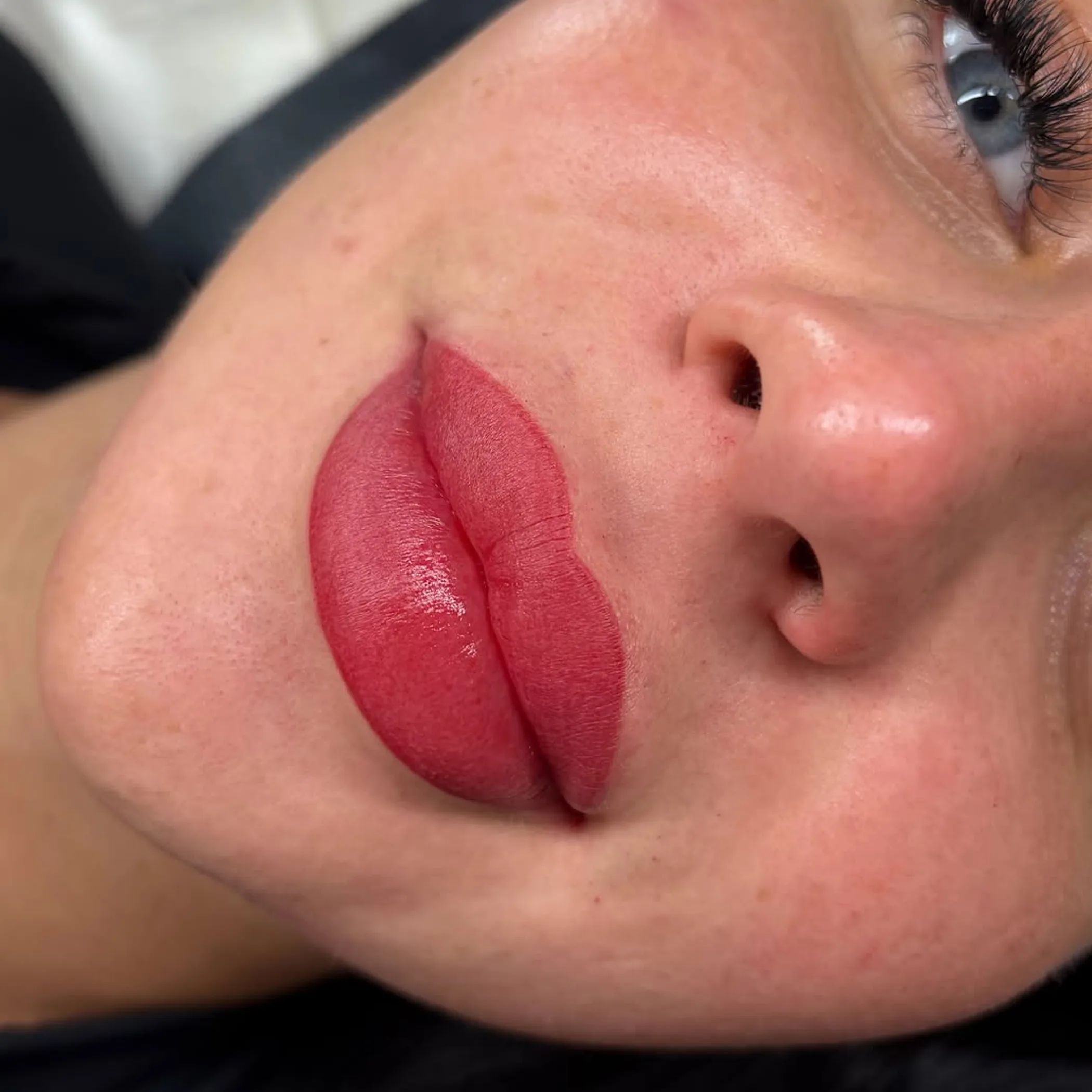
In the 48 hours or so leading up to the lip blush, this is where the simple stuff counts for most. Some will find that alcohol and a surplus of caffeine leave them feeling on edge, sensitive or more flushed than usual. Then there is the matter of comfort; alcohol has a way of making an appointment day less pleasant.
Heed your artist when it comes to coffee, tea and alcohol. There is no point in giving up your daily routine for no reason if you are accustomed to a few coffees, so put to rest any idea of a caffeine experiment on the day of your visit and put a question to them as to what they would have you do.
What not to do
You will get much the same advice from most as to how to prepare for lip blushing: abstain from alcohol and too much caffeine, do not tan, leave dry skin alone and make sure you are not harbouring a cold sore. An inflamed mouth or general indisposition should see you stay away.
As for aspirin, ibuprofen and the like, do not take them to stave off discomfort unless a health professional has put you up to it. They can have an effect on bleeding and are not for everyone. Your artist is not in a position to hand out personal medication instructions, so that is a conversation for your doctor or pharmacist.
Medication is a very individual thing
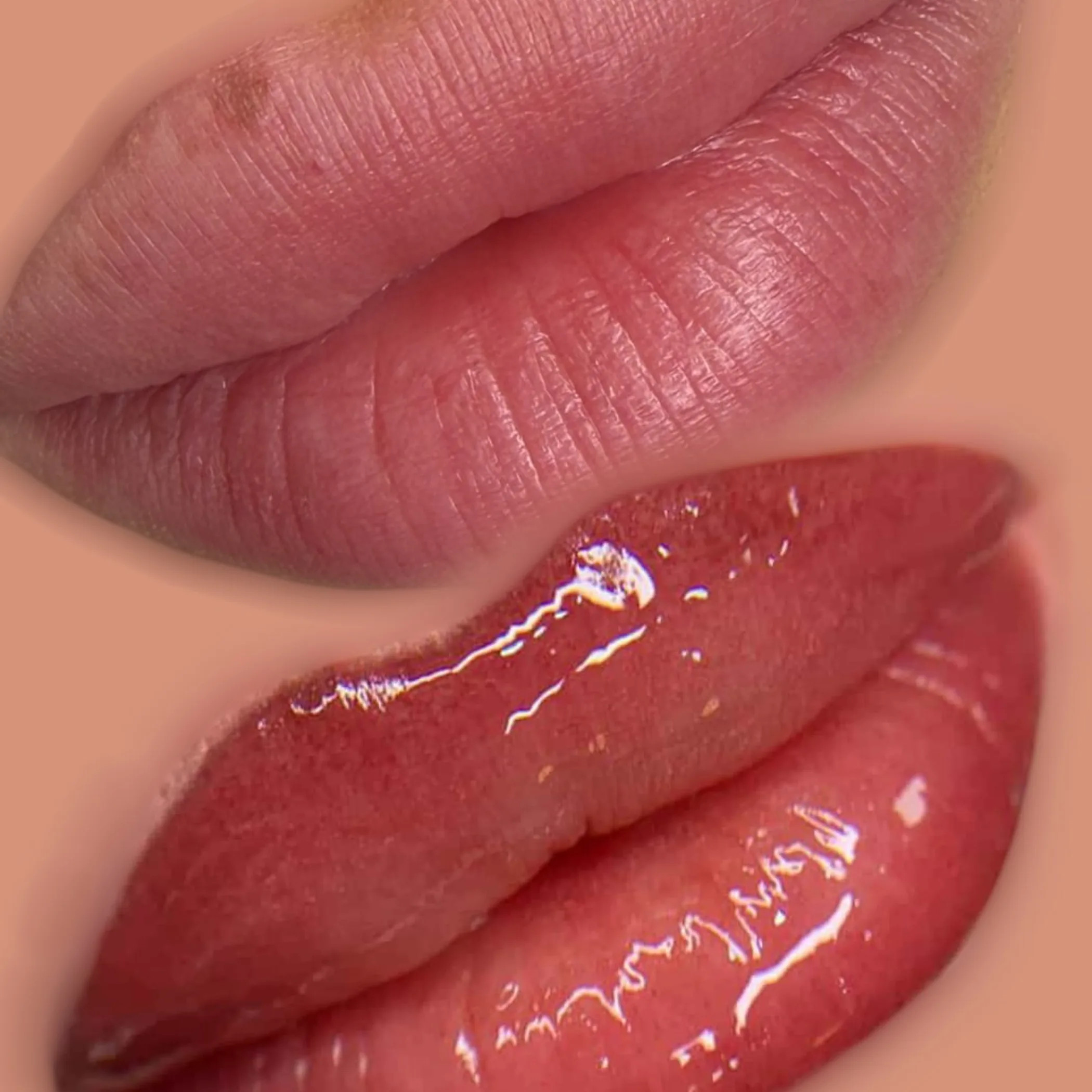
Medication is a very individual thing and the certainty one finds on the internet is often nothing but a nuisance. Do not be led by some online checklist to discontinue prescribed treatment on the grounds that blood thinners are an inconvenience for cosmetic tattooing.
Put your prescription, over-the-counter and supplement use before your doctor and practitioner. It is the clinician with knowledge of your history who must decide if anything is to be changed or put on hold.
A word of caution with blood thinners
With blood thinners, aspirin, ibuprofen and certain supplements there is the potential for bruising or bleeding, though the risk is a function of the medicine and why you are on it. No one with a serious condition should be stopping their anticoagulants for the sake of an appointment. Find out from your doctor what to do and let the artist know. If the instruction is to put off treatment, then put it off. You would not want to make light of your medical care for a lip blush.
Fillers and Botox
Any Botox or filler work can alter the condition, movement or shape of the area about the mouth. For the outline and colour to be true to your present lips and not some transitional state, the artist requires the facts. Since every client is different there are no hard and fast rules on timing. Have the injector and artist put their heads together, all the more so if you are dealing with lumps, tenderness, swelling or a recent touch up.
Let the skin settle
It is better to put off a booking than to have to heal over something that could have been avoided. Should the skin be swollen, irritated or freshly injected, do not book. If in doubt, give the studio a full account of it and see if the date needs to change.
In terms of what lip blush can deliver, there is a difference between expectation and reality. A soft tint and some definition yes, but do not count on lipstick colour or the erasure of all asymmetry. The artist will be able to set out the limitations of the treatment beforehand.
Cold sores
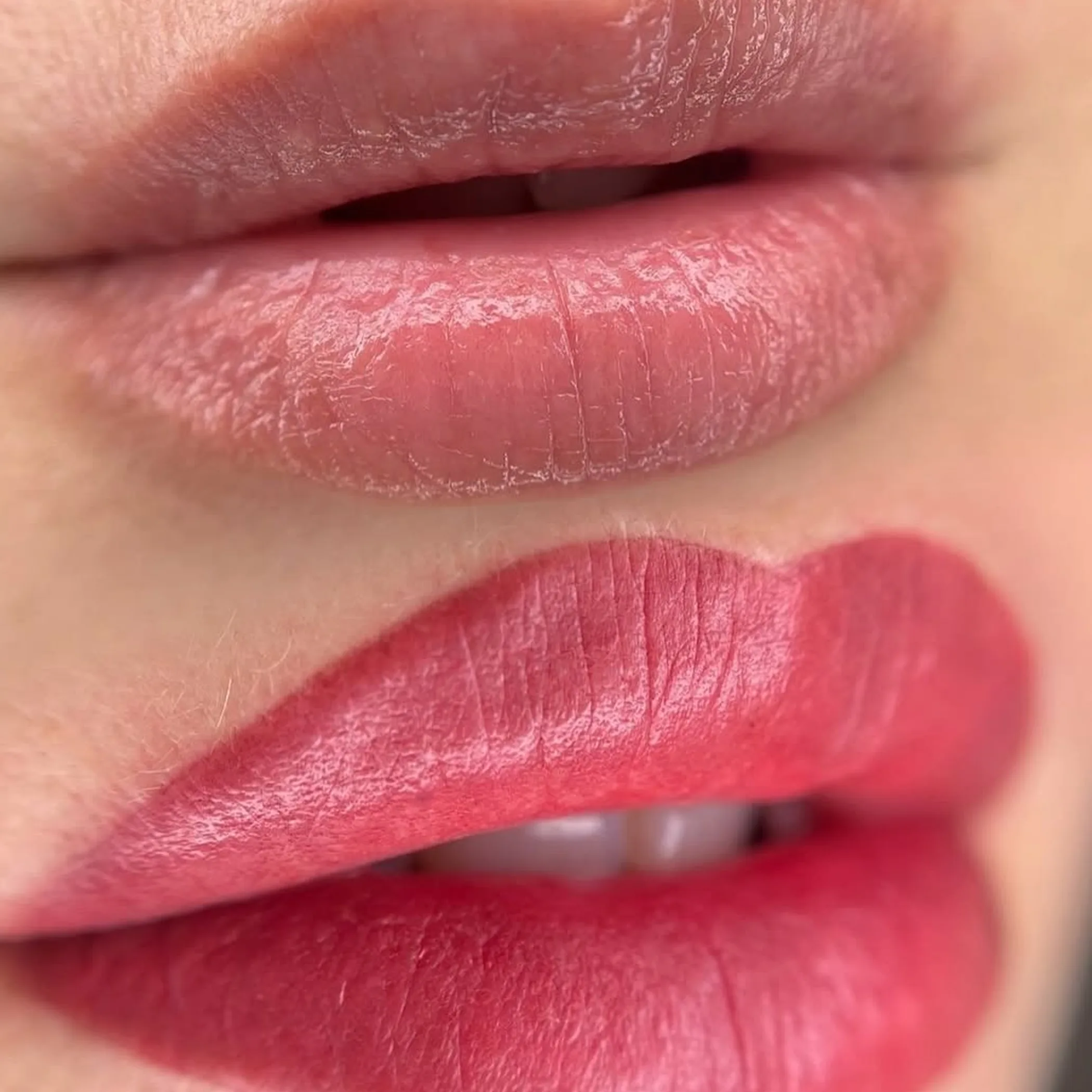
There is no cause for embarrassment with practitioners who are used to being told of a past with fever blisters or cold sores. Lip trauma can bring on an outbreak in those prone to it. Make the clinic aware of any such history, even if it was a long time ago. The practitioner may want you to put it to your doctor as to the suitability of an antiviral like Zovirax.
Active symptoms are another matter
With a tingling outbreak, broken skin or a blister of no explanation, you should not be in the chair. Get in touch with the clinic to reschedule at the earliest opportunity and for anything severe or out of the ordinary, consult a doctor. Leave the decision on whether an antiviral is in order to a medical professional.
Making the most of appointment day
Preparation is simpler when one is not in a fluster. Unless advised to the contrary by your practitioner, have your meal and a bottle of water and do not plan to make a mad dash from the office to the studio. Factor in time to find the entrance and for parking, or public transport; in Adelaide or elsewhere in Australia you can be faced with roadworks or a car park laid out by someone with a grudge against turning around, even for an appointment close by.
Checklist
- Lips should be clean of liner, gloss or lipstick on arrival (unless the studio indicates otherwise).
- Have your medication and cold sore history to hand, any prior antiviral advice included.
- Dress in something comfortable and put off any exerting plans for the time being.
- Make your return trip a simple one, should you be at all nervous or prone to swelling once the treatment is done.
- Before getting started, enquire as to the studio’s patch test policy, how they handle payment and what their follow-up appointment procedure is.
Do not put it to chance with parking and transport costs which are all over the place in Australia; have a look at the directions the studio provides. Make sure you know if there are stairs at the entrance, if parking is on a timer or if you can have someone on hand to pick you up so as not to have to drive home right away.
The Healing Process
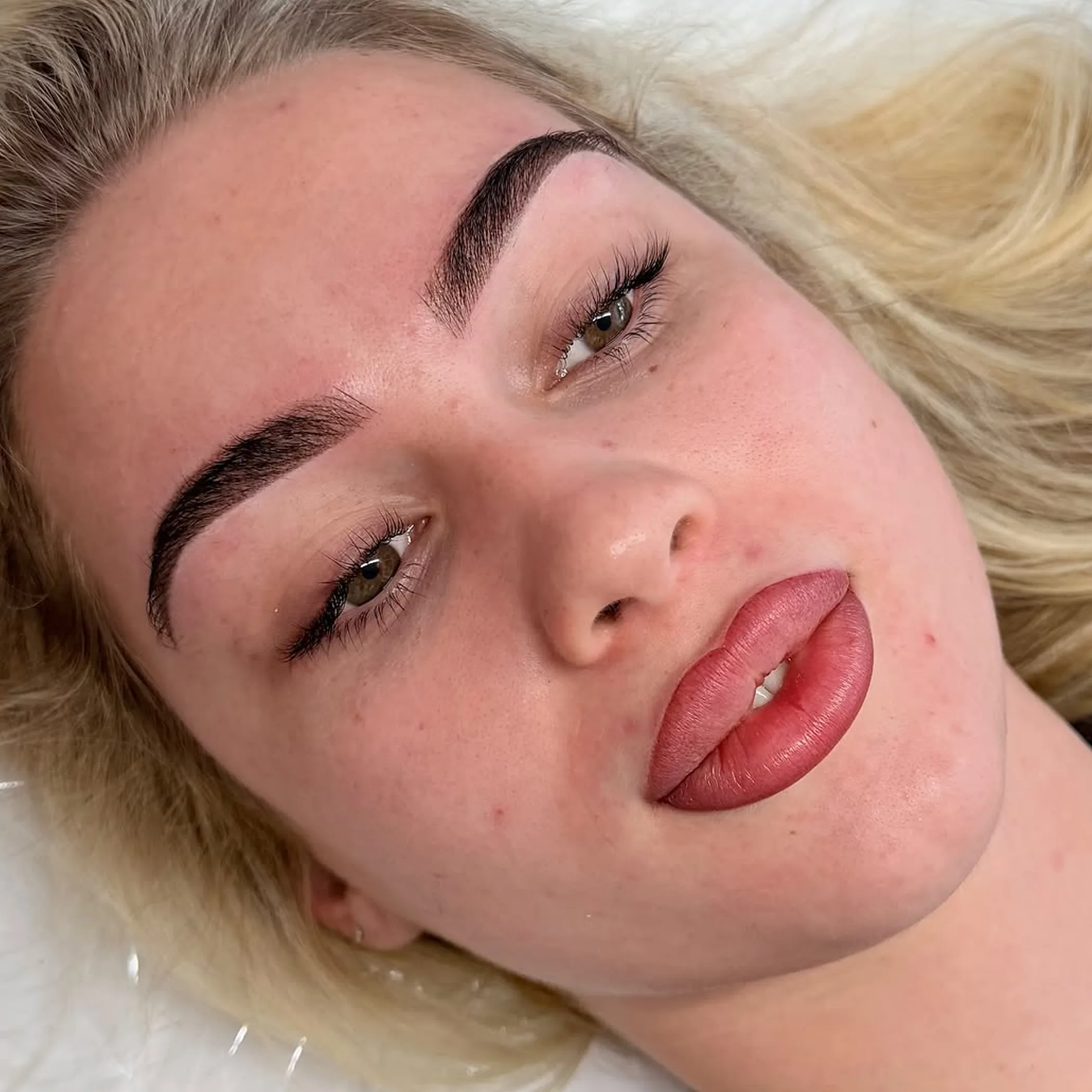
It is no cause for concern if the lips appear more defined, darker or brighter than one would think after being treated. Some tenderness and swelling is to be had and the colour will soften with the healing of the skin. Do not read too much into this early stage as an indication of the final outcome.
Every case is different. The artist on hand will tell you what is normal by their technique and when to get in touch. But where there is fever, pus, spreading redness or an allergic reaction of note, do not adopt a wait-and-see attitude and seek medical attention.
Colour Will Change
How well the pigment is retained is a matter of the technique, your health, natural lip tone and the care you give afterwards. One person may hold colour better than another and require no further session. An ethical practitioner will not put his name to a result that is the same for every client.
Then there is day four: adhere to the aftercare instructions from your artist in writing. Refrain from scrubbing the lips or peeling at them, and do not try to make out the shade under unforgiving bathroom light. A good rule of thumb is to keep the area clean, do not pick at it and put any questions to the studio if things seem amiss.
Aftercare Should Be Observed
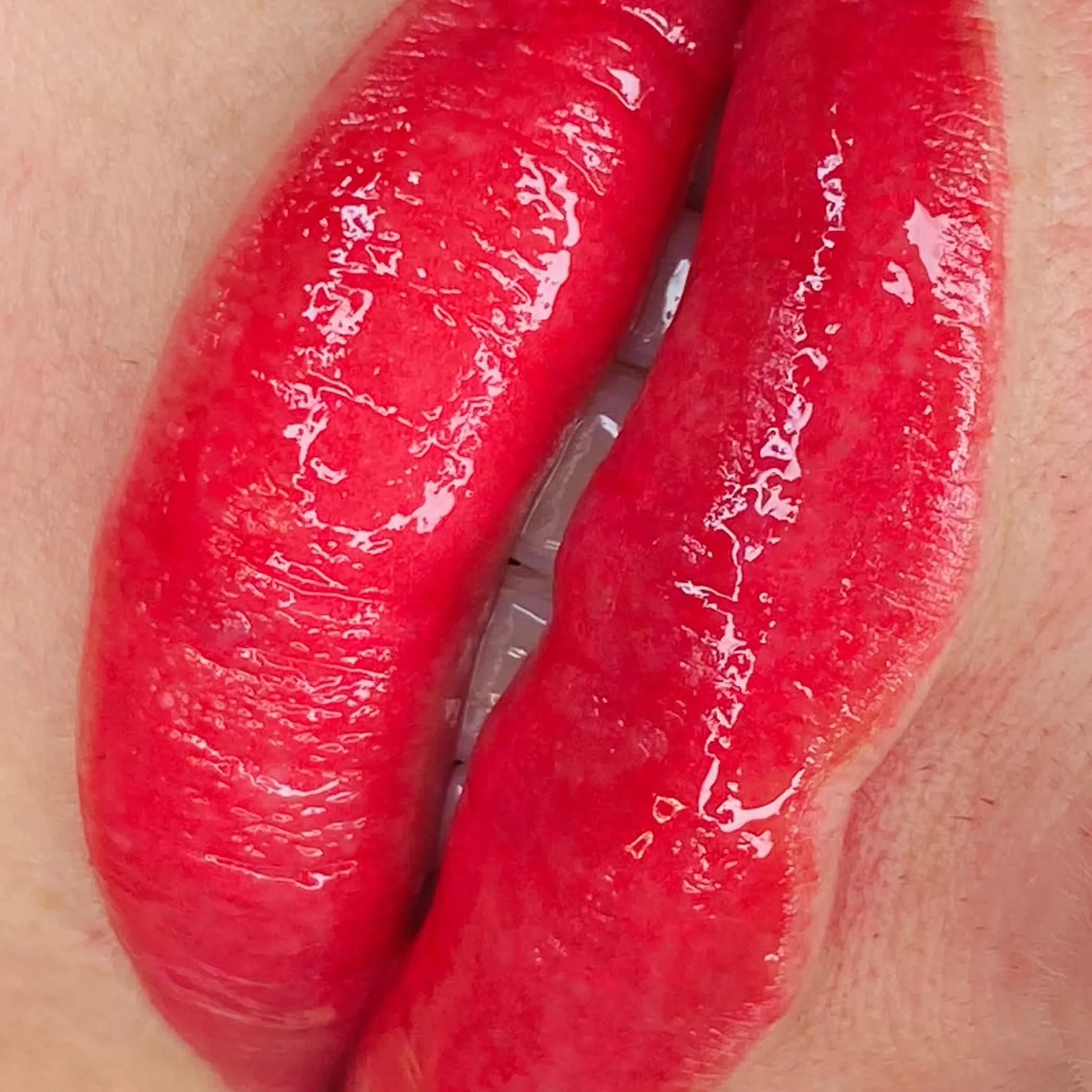
Pre and after care go together. You cannot make up for ignoring an infection or using products you should not with some careful preparation beforehand. Put the written guidelines where you will see them, on the mirror or in your phone, and stick to the artist’s word on balm, exercise, swimming and lipstick instead of collating advice from random websites.
| Preparation Point | Practical Timing | Why It Matters |
|---|---|---|
| Hydration | A week or so before | To preclude dry or peeling lips |
| Gentle exfoliation | If approved, a few days prior | Gets rid of loose flakes but does not irritate |
| Alcohol and caffeine in excess | 24–48 hours before, discuss | Can impact comfort and readiness for the appointment |
| Filler/Botox | Get confirmation of timing from both | For the tissue and swelling to subside |
| Cold sores | Put it to the consultation | So as to get medical input |
| Sunburn/irritation | Postpone until it has healed | No point in treating skin in poor condition |
Some Lip Blush Questions Answered
Once the appointment is made the lips are the object of close scrutiny. Here are practical answers to what is commonly asked, though the practitioner may qualify them given your history.
What by way of preparation?
Hydrate and, if you have the artist’s say so, exfoliate gently a couple of days out. Clean lips are best and you should abide by the studio’s pre-care rules. Report any cold sores or use of Botox and filler.
What is to be avoided?
An active cold sore, unexplained swelling or a fever blister means you should not come in. Nor should you discontinue aspirin or blood thinners without your doctor’s ok. Heed the practitioner on alcohol and caffeine.
Is antiviral medication in order?
With a history of cold sores, let your doctor decide if it is called for before cosmetic tattooing. Do not be swayed by an online recommendation to take Zovirax or similar; the dose and product are dictated by your medical history.
Day four?
Use only the balm or products put forward by your artist and leave the lips alone. If pain or discharge is on the increase instead of abating, put in a call to the studio or a professional.
Lipstick?
Your artist will give you a timeframe as it is dependent on how you heal. There is no putting gloss or lipstick on irritated, open skin. Wait for the surface to be sound and for the go-ahead from your practitioner.
A Calm Plan
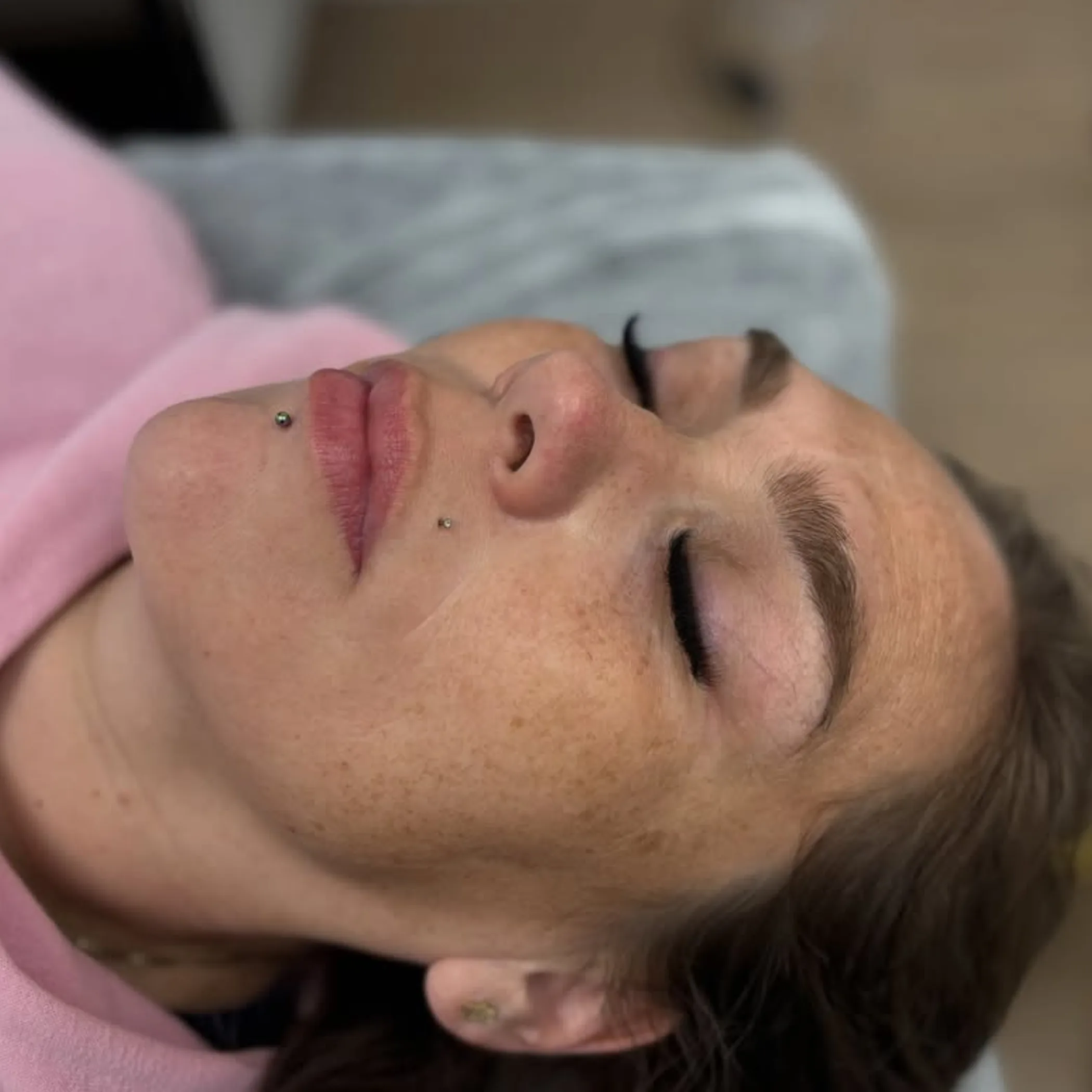
Good preparation is a matter of hydrating, being open about your health and allowing the skin to settle. Rescheduling is a sensible move if you have misgivings.
In Australia the onus is on you to find a hygienic and qualified practitioner who will lay out the risks and provide aftercare in writing. It makes for an easier process of healing and a less fraught appointment.