There is a simple way for Australian homeowners to put an end to blocked drains, flooding, stormwater overflow and the attendant cost of water damage before the wet season arrives. Clear out the leaves and debris from your garden, have a look at the gutters and downpipes, see that the stormwater grates and pits are in good order, make sure any overflow relief gullies can be seen and if you come across a blockage under ground, call in a professional.
I am Charlotte Redfern and I write this from Adelaide, where one does not need to wait long for a downpour to reveal a drainage oversight, quicker than a mozzie will find an ankle. The risks of the wet season are not the same in Melbourne or Sydney as they are in Canberra, Perth, Brisbane, Cairns or Darwin, so the following guide is intended to tell you what is safe to check, what is likely to catch people unawares and when to leave it to a licensed plumber.
What constitutes the wet season in Australia?

You will not find a single wet season that bears down on every suburb alike. In the north, the Top End and Far North Queensland will have their distinct wet season with its monsoonal storms, rain and humidity; the southern cities tend to get their rainfall from summer storms, short but hard downpours or winter fronts.
The Bureau of Meteorology climate information is the place to go for severe-weather data and a local outlook. One can consult a calendar but the first big storm of the year is the true measure of your drains.
Regional Rainfall
Tropical humidity and thunderstorms are part and parcel of the wet season in the Northern Territory and Darwin. You may see cyclone activity and protracted rain in Cairns and elsewhere in northern Queensland. Then there are the powerful bursts in Brisbane, or the sudden kind of thunderstorm in Perth, Canberra, Sydney and Melbourne that has gutters running over and puts debris in surface drains. Learn about safe DIY drain clearing methods before tackling blockages.
As for which month is the wettest, it is a matter of location and how one measures it. Long-term records and the total of an individual storm are not the same thing, so a national generalisation is of little use. Rely on the Bureau of Meteorology for your region when you plan your work.
The case for wet season maintenance
A blockage is seldom the result of a single dramatic incident. More often a film of silt, leaves or other detritus will impede the first rain and more will be washed in until the water has nowhere to go but back up. This can do a number on flooring and walls, seep into building foundations and mar paths. In some low-lying spots a residential blockage can compound the local flooding.
Where most go wrong
It is tempting to give the grate a clean and think you are done. Yet the obstruction could be in a downpipe, at some bend in the channel, or in an old pipe where tree roots have made their way in. And do not make the error of regarding stormwater as a sewer. Pouring in oils, paint, concrete washout or household refuse is not what these systems are for; they are to convey rainwater, not serve as a cistern for rubbish.
Checklist for pre-wet season
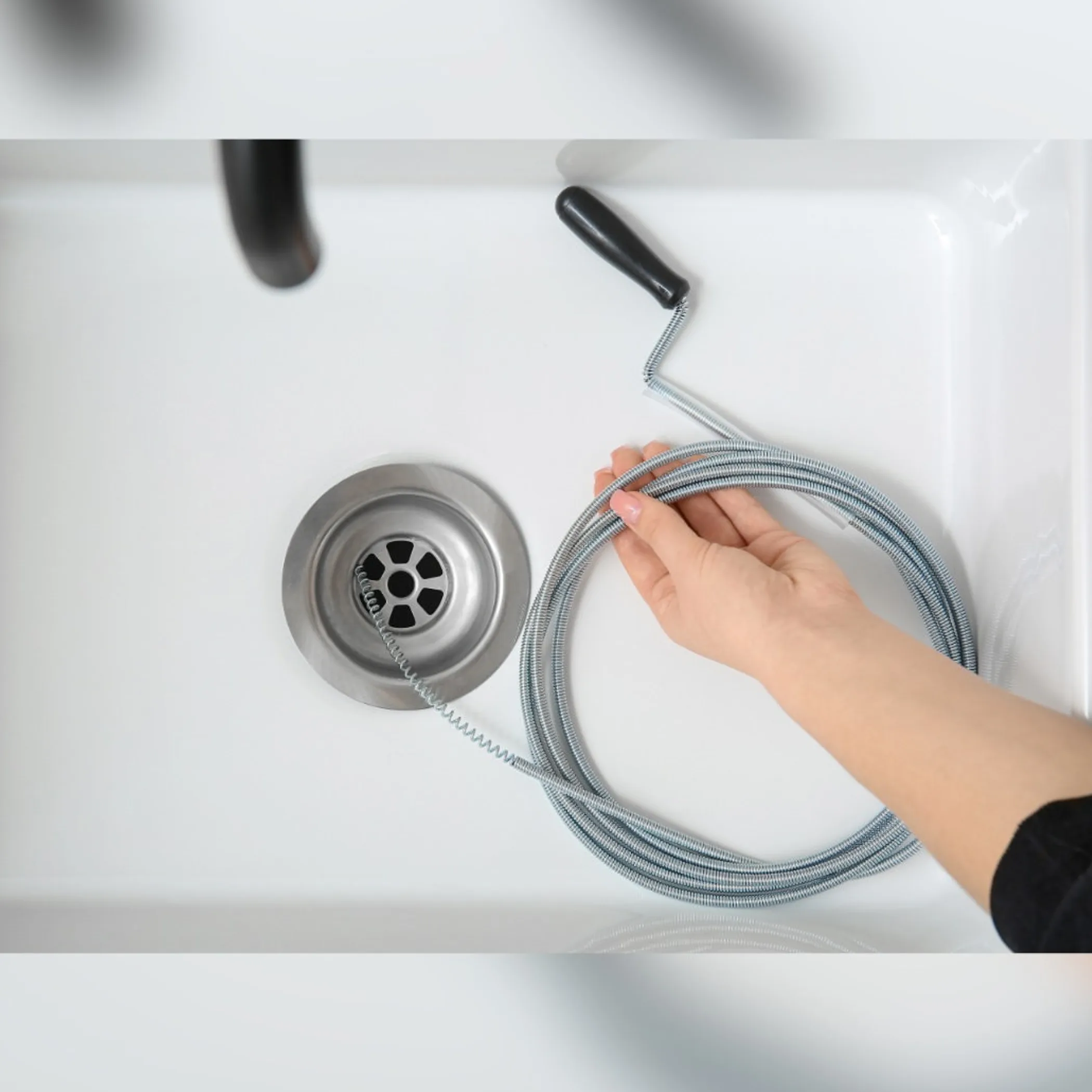
An inspection on a dry day is safer and less costly than an emergency call-out in the middle of a storm. Put aside time to examine the entire flow path and photograph anything for later attention. Most homes in Australia will find this pre-monsoon routine sufficient, barring those in cyclone country who have extra roof and outdoor structure to attend to.
- Gutter, pit and channel should be free of sticks, palm fronds and leaves.
- Downpipes must be discharging properly with no crushed or disconnected joints.
- If it is safe, lift the covers on stormwater pits to check for standing water or silt.
- Make certain your ORGs (overflow relief gullies) are not hidden by mulch, paving or soil.
- Any cracks or obstructions in driveway channel drains and surface grates should be noted.
- A hose test will show you where the water is going, provided you do not turn large volumes on your door or next door.
- Prune back vegetation shedding into the drain, but stay away from power lines and any branch that looks unstable.
- Should the water be slow to go or you suspect something is amiss below ground, engage a licensed plumber.
Prioritise High-Risk Areas
Make a point of dealing with high risk zones first. Work your way downhill from the top of the system. In most cases you will be on the roof and in the gutters before you get to the downpipes, surface grates, stormwater pits and the discharge point at the end of the line.
Pay particular heed to any home that is sited at the foot of a slope or next to a retaining wall, has a basement or garage ramp, a low doorway or is close to a creek. A drain that overflows time and again while its neighbours are clear is likely a localised issue, not an absence of capacity.
| Area | Check | Typical Frequency | Escalation Sign |
|---|---|---|---|
| Gutters and downpipes | For leaves, silt, overflow marks and any loose joints | Before the wet season sets in or in the wake of a big storm | Staining on the walls or water running off the roof edge |
| Stormwater pits | Sediment, standing water, broken covers and debris | In leafy neighbourhoods every couple of months | A light rain does not seem to be draining |
| Driveway channel drains | Damaged grates, mud, grit and leaves | Monthly when it is raining often or the leaves are down | Water making its way across the garage threshold |
| Overflow relief gullies | That the opening and grate or surround are in plain view | Any time you are inspecting outdoor drainage | An overflow, a buried access or the odour of sewage |
| Underground pipes | Recurring blockages and how well they are flowing | When the same symptoms present themselves | Unexplained wet spots, gurgling or backflow |
Clear out the Gutters, Roofs and Downpipes
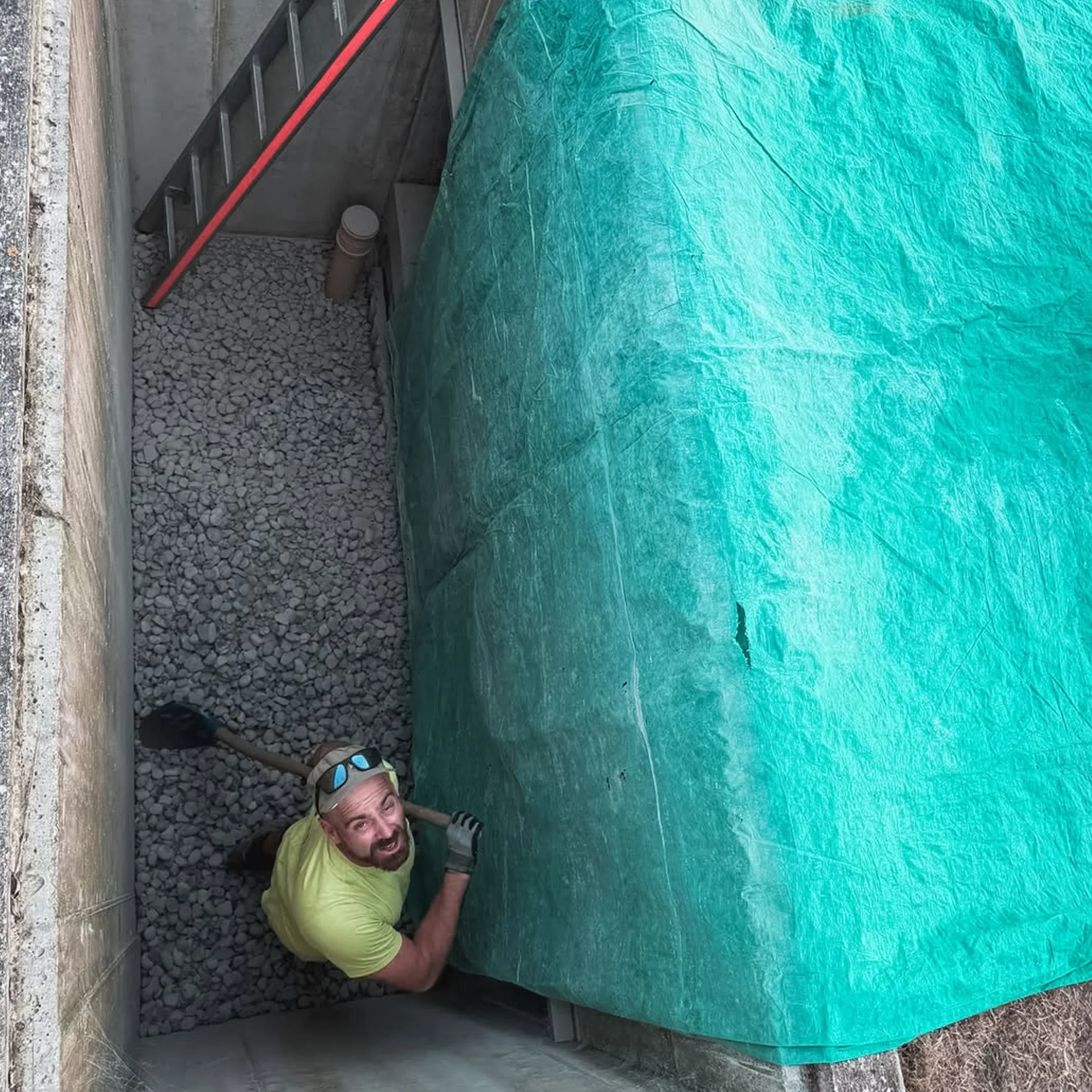
As the initial catchment for rainwater, a little bit of detritus in the gutter can make all the difference. The rest of the gutter may appear in order but a mat of leaves, palm fronds and roof grit will have built up over the outlet.
Put a ladder on solid footing and maintain three points of contact; do not attempt this in wind, rain or lightning. On a steep or hard to reach roof it is better to put in a call to a pro than to make an ambulance story of a maintenance job.
See where the downpipe is taking you
Put some water through each one and watch the outlet. It ought to run off without any pooling by the building or bubbling back from the joints. Just because you see water at the bottom is no guarantee the pipe is unobstructed; a partial restriction might stand up to a hose but not heavy rain. Be on the lookout for rust holes, crushed sections, disconnected elbows or an outlet clogged with mulch.
A look at the Stormwater Pits and Grates
The obvious collection points are where you begin to clear a stormwater drain. Put on some gloves and take away what you can by hand, and make sure pets and children are not about. Under no circumstances go into a pit. There could be a sudden flow, unstable ground, contaminated water or snakes. Should you find a cover is too much to lift or is in poor repair, let a licensed drainage contractor or plumber have a look.
Follow the flow
Do not be guided by looks alone. Water marks, algae, fresh silt and gravel out of place will tell you if water is being impeded or is getting away. A surface grate below the level of the paving will be apt to hold more runoff than the outlet can take. Driveway channel drains are easily missed; a car will have driven dirt into the channel and a pressure washer will have pushed sediment to the grate, where one palm frond can act as a very effective gate.
Let the Overflow Relief Gullies do their job
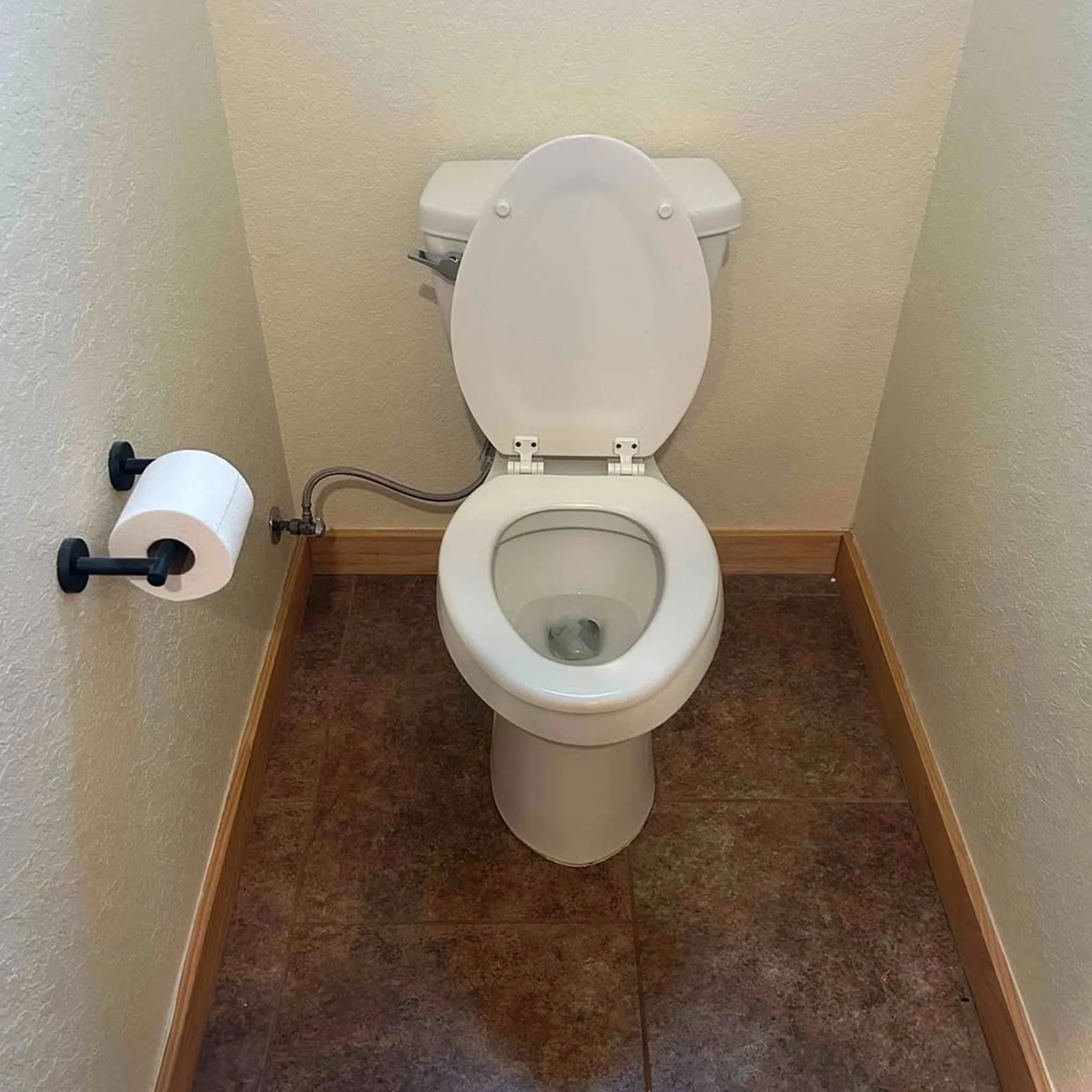
On many a property these are a visible safety feature of some importance. They must be left open to allow wastewater to exit as it should in the event of a blocked or overloaded sewer. Do not put pavers, soil, mulch, a pot plant or storage in front of an ORG, nor should you alter or seal it unless a professional says so. If there is damage, an overflow or a strong sewage smell, leave it and ring a licensed plumber.
Distinguish between Stormwater and Sewer
They are not meant to do the same work. Wastewater belongs in the sewer, rainwater in the stormwater system. An unauthorised link will lead to contamination and backups when the rain is coming down hard. If you cannot tell which is which by colour or position, do not put it to chance. A plumber will be able to sort out the arrangement and flag any compliance matter.
DIY clearing done safely
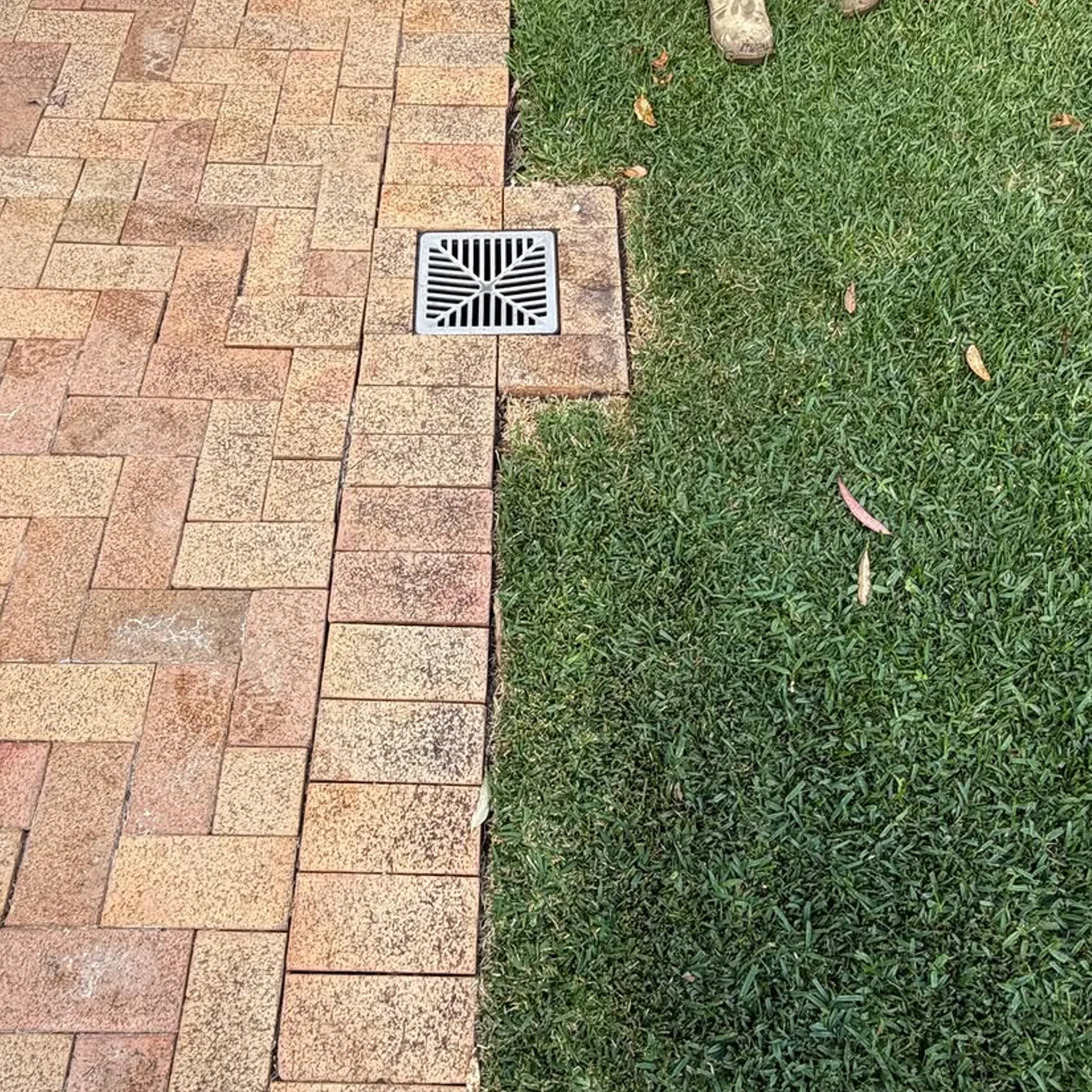
There are ways to clear a drain yourself for the odd piece of visible debris, but not for what is concealed underground. Get your bucket, eye protection and gloves and some hand tools and take the material out with care, do not force it further in.
You can put a hose to the test to see if a surface channel or gutter is in flow, but do not make the mistake of using it to force water into an underground line you think is blocked. For that matter, steer clear of caustic chemicals for drains, any home-made pressure apparatus and the like, and never mix your cleaning products. The price of a call-out is hardly worth risking a chemical burn or ruining your pipes.
Know When To Stop
Put an end to your DIY efforts when there is sewage about, the blockage is back in short order, you have more than one drain giving trouble or water is backing up in the house. The same goes if you have reason to believe tree roots are at work, or should you find yourself having to get on the roof with inadequate gear or be working in proximity to electrical services.
One day is all you have? Then make gutters, downpipes and the stormwater pits, driveway channels and ORGs nearest to the house your first port of call. Put a camera to any problem spots, clear what you can without risk and put in a call to a pro for the rest.
Professional Drain Investigation
A case can be made for hydro jetting to put high-pressure water to some pipework, or a CCTV inspection to put a camera on cracks, root intrusion and the odd displaced joint. But they are not a panacea for every property; one ought to diagnose before treating.
Where silt or grease has taken hold in a compatible line, hydro jetting will do the job. If a blockage has a habit of returning or the property is well endowed with mature trees, a CCTV is worth having. Inquire as to the scope of the work and if the quote covers the inspection and reporting as well as the clearing.
Indicative Costs And Access
The state of the pipe, what equipment is called for, access and urgency will all factor into the cost, as will which city you are in. You can expect to part with a few hundred dollars for a routine clear or inspection by way of a planning guide, though excavation or difficult access will add to the tab. Get a written quote and consider the figure an estimate.
Before the contractor turns up, ensure there is no impediment to the side paths, garages and inspection openings. Put the vehicles elsewhere and make sure Olive or other pets are put away. Let the plumber in on any past flooding or renovations and how often the drains have been a nuisance. It is good information and will save time; that is where many a bill puts on its teeth.
Frequently Asked Questions
What Is The Wet Season In Australia?
In the tropics of the north, particularly the Northern Territory and the northern reaches of Queensland and Western Australia, the wet season brings with it humidity, thunder and heavy rain. There is no national timetable for the south, so look to the local forecast and climate records rather than an Australia-wide date.
How Was The Wet Season In The NT In 2026?
Only the Bureau of Meteorology’s 2026 figures for the area in question will tell. Do not assume the rainfall in one town is typical for the whole of the NT, let alone between Darwin and the remote Top End. As for maintenance, the approach is straightforward: have an inspect after any damaging weather and before the first big storm.
Which Month Does It Rain The Most In Australia?
It would be hard to name a month that is the wettest across the board. A single hard storm can skew the monthly total in an arid or temperate region as much as in the tropics. See what the outlook and averages are for your city before you plan to be outside.
Can I Use Drain Chemicals For Stormwater?
Not advisable. They do nothing for the leaves and silt in a stormwater system and can be detrimental to the pipes, soil and waterways. Safely dispose of what you can reach and for anything underground or persistent, ring a licensed plumber.
How Often Should Drains Be Cleaned?
At least before the storm or wet season and in the wake of one, and more so if the trees are shedding. A place with little vegetation will not need as much attention as one where a leafy obstruction is common. Make your schedule according to the debris and the prospect of an overflow.
Finish Before The First Storm
There is nothing glamorous about proper wet season maintenance, but get on with it: trace the water, check the pits, give the ORGs some protection and do not ignore symptoms that keep coming back. It is a minor thing to do and will stave off flooding and water damage when the sky sees fit to empty the billy.
From Sydney and Melbourne to Perth, Brisbane, Canberra, Cairns and Darwin, work within your means and use the local forecast. Leave the persistent or unsafe matters to a licensed man with the right credentials. You will thank yourself later, perhaps even be able to endure the next deluge without gumboots in the house.
{ “@context”: “https://schema.org”, “@type”: “FAQPage”, “mainEntity”: [ { “@type”: “Question”, “name”: “What Is The Wet Season In Australia?”, “acceptedAnswer”: { “@type”: “Answer”, “text”: “In the tropics of the north, particularly the Northern Territory and the northern reaches of Queensland and Western Australia, the wet season brings with it humidity, thunder and heavy rain. There is no national timetable for the south, so look to the local forecast and climate records rather than an Australia-wide date.” } }, { “@type”: “Question”, “name”: “How Was The Wet Season In The NT In 2026?”, “acceptedAnswer”: { “@type”: “Answer”, “text”: “Only the Bureau of Meteorology’s 2026 figures for the area in question will tell. Do not assume the rainfall in one town is typical for the whole of the NT, let alone between Darwin and the remote Top End. As for maintenance, the approach is straightforward: have an inspect after any damaging weather and before the first big storm.” } }, { “@type”: “Question”, “name”: “Which Month Does It Rain The Most In Australia?”, “acceptedAnswer”: { “@type”: “Answer”, “text”: “It would be hard to name a month that is the wettest across the board. A single hard storm can skew the monthly total in an arid or temperate region as much as in the tropics. See what the outlook and averages are for your city before you plan to be outside.” } }, { “@type”: “Question”, “name”: “Can I Use Drain Chemicals For Stormwater?”, “acceptedAnswer”: { “@type”: “Answer”, “text”: “Not advisable. They do nothing for the leaves and silt in a stormwater system and can be detrimental to the pipes, soil and waterways. Safely dispose of what you can reach and for anything underground or persistent, ring a licensed plumber.” } }, { “@type”: “Question”, “name”: “How Often Should Drains Be Cleaned?”, “acceptedAnswer”: { “@type”: “Answer”, “text”: “At least before the storm or wet season and in the wake of one, and more so if the trees are shedding. A place with little vegetation will not need as much attention as one where a leafy obstruction is common. Make your schedule according to the debris and the prospect of an overflow.” } } ] }